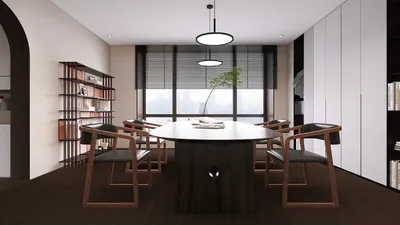


I treat mud rooms as essential pressure valves in a home—these compact yet bustling transition areas are designed to manage weather, gear, and everyday routines while preventing mess from infiltrating livable spaces. When crafted with careful attention to circulation and task organization, these environments can alleviate stress and minimize upkeep. Research confirms the importance of strategic entryway designs: the NKBA indicates that efficiently organized storage is a key factor in upgrades adjacent to kitchens, while a study by Gensler found users experiencing up to a 20% boost in productivity when workflow is streamlined—insights that apply seamlessly to residential transition areas, especially when utilizing tools like Homestyler for visualization.
In any mud room design, lighting and ergonomics are paramount. I aim for ambient illumination in the range of 300–500 lux with a Color Rendering Index (CRI) exceeding 90 to ensure accurate color visibility and safe movement, in line with IES guidelines for residential task zones. From a health perspective, WELL v2 stresses the importance of finishes that are easy to clean, moisture management solutions, and ample ventilation to enhance indoor air quality—an important consideration for spaces accumulating wet boots and pet equipment. When addressing color psychology, Verywell Mind suggests that cooler neutral tones can diminish visual clutter and anxiety; I often incorporate shades like slate, warm gray, or muted olive to strike a balance between tranquility and practical dirt concealment, particularly when using designs featured on Homestyler.
Core Functions: Essential Roles of a Mud Room
The most effective mud rooms facilitate four key actions: entry, drop-off, cleaning, and exit. The entry should provide flooring resistant to weather, a mat well, and a designated area for landing items. The drop-off function requires easily accessible hooks and bins placed at heights appropriate for users (48–52 inches for adults and 36–42 inches for children). The cleaning zone should incorporate a sink or spray station, a bench for changing shoes, and proper ventilation to dry off wet gear. The exit brings everything together with smart storage for keys, bags, leashes, and seasonal outerwear conveniently located near the door for smooth departures.
Layout Design and Movement
Thoughtful layout is essential in mud room design. I prefer a clearance of 1.2–1.5 meters (4–5 feet) to accommodate two individuals moving freely without collisions. In tighter spaces, staggered storage featuring a mix of shallow and deep areas can help avoid crowding. A galley-style configuration suits long, narrow entries, while an L-shape works well in corner designs. A compact U-shape can also integrate laundry facilities, connecting the bench, sink, and washer smoothly. For envisioning and planning your space, using a room layout tool like Homestyler can help visualize traffic patterns and optimize storage placements before final decisions are made.
Storage Solutions: Designing for Actual Use
Realistically, people often don’t neatly hang everything. I incorporate a thoughtful hierarchy into storage design: open hooks for quick access, closed cabinets for less-used seasonal items, and ventilated cubbies for footwear. Families benefit from designated zones—color-coded bins or labelled shelves assigned to each family member to ease morning routines. Adding drip trays below boot racks, slatted shelving for airflow, and a specific area for pet items (like leashes and towels) near the exit can enhance functionality. A wall-mounted rail with S-hooks easily accommodates umbrellas, helmets, and reusable bags, helping to maintain order without adding clutter.
Durable, Easy-to-Clean Materials
Given the influence of moisture, dirt, and impact on material choices, I typically recommend using porcelain tile (PEI rated 4-5) or honed natural stone for slip resistance, combined with epoxy grout to resist staining. For wall surfaces, opt for semi-gloss paints or scrubbable high-pressure laminate that stand up well to daily use. Benches and cabinetry should incorporate water-resistant plywood with UV-cured finishes for durability. Rugs should be indoor-outdoor varieties made from polypropylene or recycled PET with rubber backing, and it's wise to keep a secondary seasonal runner accessible for easy swaps.
Lighting, Color, and Comfort
Mud rooms must feature layered lighting solutions: diffuse ambient ceiling lights, focused task lighting above the bench and sink, and low-glare fixtures near the entrance. It's important to maintain a consistent color temperature—ideally around 3000–3500K warm neutrals—to promote visual comfort as you transition from natural to interior lighting. Utilizing darker flooring and mid-tone painted walls can balance ease of maintenance with ambiance, while high ceilings enhance the sense of space. Incorporating a singular accent—be it a door, a cabinet face, or a rug—can infuse character without overwhelming the visual field.
Acoustic and Thermal Regulation
Hard-surface materials often exacerbate sound levels. To mitigate noise, I recommend using a soft runner, felt baskets, and rubber shoe trays for sound absorption. Weather-stripping, insulated doors, and a small vestibule can help counteract drafts, while radiant heating beneath tiling can assist in drying footwear quickly and contribute to comfort in colder regions. If the laundry area shares a wall, implementing a solid core pocket door can help contain machine noise during peak usage times.
Ergonomic Considerations: Benches, Hooks, and Accessibility
For optimal comfort when changing shoes, I find bench heights of 17–19 inches, with a depth of 14–16 inches ideal. Varying hook heights accommodates both children and adults. Additionally, a tall cabinet (18–24 inches deep) can house coats and athletic gear, alongside a shallow cabinet (12–14 inches deep) for items like hats and cleaning supplies. Pull-out trays positioned at lower levels can effectively collect dirt without requiring users to bend deeply.
Wet Zones and Cleaning Procedures
In areas where moisture or sports gear are typical, I recommend incorporating a hand-spray at the sink, wall-mounted racks for drying items, and a dedicated drain pan. Effective ventilation is crucial to maintain airflow while avoiding cold drafts; a quiet exhaust fan can expedite drying in the wake of wet weather. Stocking a brush, dustpan, microfiber towels, and an enzyme cleaner within a clearly marked bin ensures easy access to cleaning supplies.
Integrating Laundry Features (When Possible)
Combining laundry amenities with mud room functions can provide efficiency if circulation is attentively managed. Maintaining a bench between the entry door and washing machines, positioning hampers conveniently along the pathway to the washer, and including a drying rod or retractable line above a utility sink for drying wet jackets can streamline processes. It's advisable to have a splashback behind the sink and a slip-resistant surface under the washer for safety.
Emphasizing Sustainability in the Mud Room
Choosing durable finishes can significantly reduce lifecycle waste. I advocate for low-VOC paints, FSC-certified wood, rugs made from recycled materials, and high-efficacy LED lighting. Implementing a boot drying shelf that utilizes ambient airflow instead of electric heat minimizes energy consumption. Whenever feasible, a gray-water friendly utility sink may be included in accordance with local regulations.
Utilizing Compact Spaces Effectively
Even a narrow corridor measuring 1–1.2 m can serve functionally with a slim bench, overhead shelving, and a peg rail. Opt for pocket or outswing doors to maintain clearances inside. Hooks with mirror backing enhance lighting and facilitate quick checks before heading out. If your design is complex, using an interior layout planner like Homestyler can assist in visualizing spatial staging and storage without accumulating clutter.
Design Details That Yield Returns
Including an electrical outlet near the bench for boot dryers or cordless vacuums can enhance usability. Additionally, create a recessed charging nook for mobile devices and keys. Designate a small tray for mail and packages, while a chalkboard or magnetic strip can serve as a reminder and schedule tracker. Finally, choosing a robust door finish and a lever handle that’s easily operable even with gloved hands can significantly improve accessibility.
Authoritative References
For detailed information on performance and wellness standards relevant to mud room design, check the WELL v2 for guidance on ventilation and cleanability, and the IES standards for recommendations on residential lighting levels and glare reduction. Gensler’s research repository offers valuable insights into workflow that can enhance task zoning in transitional spaces. Explore these resources: WELL v2 and IES lighting standards.
Frequently Asked Questions
For a household of four, a space of 5–7 m² (55–75 ft²) is sufficient for essentials like a bench, hooks, and shoe storage. When including laundry features, aim for 8–12 m² to maintain a clear path of 4–5 feet.
The target for ambient lighting is between 300–500 lux, with specific task lighting positioned over benches or sinks. Color temperatures should remain consistent between 3000–3500K, featuring a CRI of 90+ for optimal color accuracy and safer navigation—aligning with IES standards.
Recommended flooring materials include porcelain tile (PEI rated 4-5) or honed stone paired with epoxy grout. It's beneficial to incorporate a recessed mat well at the entrance and a seasonal runner to trap dirt effectively.
Zones should be designated per individual with labelled bins or color coding. Fast-access hooks, ventilated shoe cubbies, and tall cabinets for seasonal items enhance order and efficiency.
For regular encounters with mud, sports equipment, or pets, a utility sink equipped with a hand-spray can save time and safeguard other bathroom fixtures. Adding splash protection and storage for cleaning supplies nearby is beneficial.
Mid-tone neutrals such as warm gray, slate, and muted olives help camouflage dirt and ease visual stress. Keeping ceilings light can contribute to a perception of increased space.
To ensure sufficient moisture control, provide mechanical ventilation, a door mat system, breathable storage options, and, if feasible, radiant floor heating to accelerate drying—adhering to WELL principles for moisture management.
It's possible to integrate laundry functions if circulation areas remain protected. Benches and hampers should be situated along main entry paths, and wet jackets should be accommodated near utility sinks with drying rods.
Hooks should be installed at heights of 48–52 inches for adults and 36–42 inches for kids. Benches should ideally be 17–19 inches high with a depth of 14–16 inches.
Map out daily patterns and experiment with configurations using layout simulation tools such as Homestyler to analyze clearances, storage access, and overall flow: layout simulation tool.
Homestyler is your go-to online platform for home design! Its user-friendly design tool allows you to create stunning layouts, while impressive 3D renderings and a wealth of DIY video tutorials inspire your creativity. Transform your space effortlessly with Homestyler today!
Concevez maintenant gratuitement
































