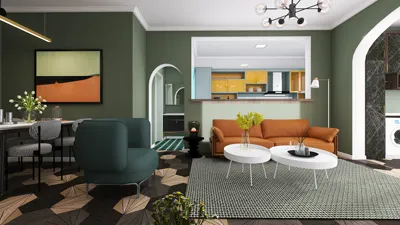


For over ten years, I have designed and implemented modular kitchens in various living spaces throughout Ahmedabad, including apartments, bungalows, and compact studios. The pricing structure for these kitchens is influenced by four primary factors: the number and dimensions of modules, the choice of carcass and shutter materials, the quality of hardware used, and selections for countertops and appliances. Generally, I observe that kitchens fall into three price categories: usable kitchens typically range from ₹1.5–3.5 lakh for value building, ₹3.5–6 lakh for mid-tier, and ₹6–12 lakh for premium, based on a standard of 10–14 running feet, basic L or parallel configurations, and commonly used appliances. When designing, one can utilize tools like Homestyler to visualize these configurations effectively.
When making cost-related decisions, performance should be a top priority. Investing in quality hardware and ergonomic design pays dividends daily; features like high-cycle hinges, smooth sliding mechanisms, and proper working heights help reduce physical strain while extending the lifespan of kitchen components. The WELL Building Standard underlines the importance of accessible reach ranges and adequate task lighting for user health, recommending an illuminance level of around 300–500 lux in kitchen areas to enhance functionality (see WELL v2 overview). Research by Gensler emphasizes that environments designed for specific tasks significantly enhance perceived performance, and this principle is easily applicable to residential kitchens as well (as noted in Gensler Research).
Ergonomics fundamentally influences layout efficiency, budget appropriateness, and long-term comfort. Factors like drawer height, toe-kick dimensions, and counter heights are often more critical than aesthetic upgrades. Studies from Steelcase regarding human-centered design link appropriate posture and reach to higher productivity levels (see Steelcase Research). In terms of task lighting, I strive for an illumination level of 400–600 lux beneath cabinets to minimize shadows on preparation surfaces, in line with industry lighting standards (as referenced in IES lighting standards).
Price Bands You Can Anticipate in Ahmedabad
Here’s a breakdown of price ranges based on actual project compilations across the city:
Please note that the running feet (rft) measurement includes base and wall units in a single run, and can vary depending on the kitchen shape. Complicated layouts with corner optimizers, tall pantries, and appliance garages can quickly increase costs.
Impact of Material Choices on Costs
The choice of carcass material significantly influences both durability and pricing. While particleboard is an economical option, it tends to be vulnerable to moisture. Upgrading to HDHMR or Boiling Water Proof plywood can elevate costs by 15–30%, but these materials offer enhanced resilience, which is particularly valuable during Ahmedabad’s hot summers and humid monsoon season. The finish of shutters also affects both aesthetics and maintenance; laminates are both economical and durable, acrylics introduce depth and gloss, while PU adds a high-end sheen that requires careful handling, and lacquered glass provides a clean reflection that's easier to maintain, albeit at a higher cost.
Countertops play a crucial role in both the visual appeal and functionality of the kitchen. Granite is a traditional, cost-effective material, while quartz offers excellent uniformity, lower porosity, and consistent color options. At the top tier, sintered slabs provide impressive scratch and heat resistance. It is advisable to pair countertops with full-height backsplashes in areas prone to moisture to safeguard the carcasses and joints.
The Return on Investment of Hardware and Storage Solutions
In kitchen design, hardware choices can silently transform daily use. Investing in soft-close hinges and under-mount slides with high load ratings is essential, as they enhance both the fluidity of use and the durability of joinery. Features like pull-out pantries, corner carousels, and spacious deep drawers increase accessible storage effectively compared to fixed shelves. From my experience, transitioning from swing doors to drawer stacks for storing pots and plates can cut down on search time by almost 50% and encourage safer postures during use.
Lighting, Color Schemes, and Acoustic Comfort
Task lighting should be progressively layered: utilizing under-cabinet strips at 400–600 lux, ambient fixtures around 200–300 lux with a high Color Rendering Index (CRI of 80+), and a warmer light (3000–3500K) for evening comfort. The WELL framework emphasizes glare management and visual comfort to enhance well-being (as indicated in WELL v2 overview). Color psychology suggests neutral and mid-tone colors balance light reflection and emotional ambiance; greens and blues, in particular, are associated with calmness (see Color psychology overview). Given that kitchens tend to have hard surfaces, incorporating rugs or acoustic panels near dining areas can help mitigate noise while maintaining hygiene.
Considerations Specific to Ahmedabad
The local climate, characterized by heat and dust, necessitates specific choices. I prefer to utilize gaskets and brush seals for wall cabinets adjacent to windows, along with chimney suction systems tailored to local cooking practices. Monsoon humidity leads me to favor HDHMR or BWP ply carcasses with sealed edges. Proper ventilation—both mechanical and natural—is crucial in controlling odors; strategic cross-ventilation during the design phase can prevent the need for over-specifying appliances.
Layout Shapes and Their Associated Costs
The kitchen shape directly affects the number of modules and necessary accessories. Straight layouts are cost-effective, L-shapes enhance workflow in compact spaces, while parallel galleries are ideal for kitchens with 7–9 ft clear widths and serious culinary activities. U-shaped designs offer ample storage but necessitate corner units, tall cabinetry, and additional hardware. As I explore different options, I validate the distance between the key work triangle (sink, hob, fridge) and ensure that primary pathways remain clear. For those assessing spatial configurations, a room layout tool like Homestyler can simulate reach ranges, tall unit placements, and lighting effectiveness prior to actual fabrication.
Integrating Appliance Packages
It's important to budget for appliance clusters separately. A reliable set of chimney and hob can start around ₹20–45k, while built-in ovens and microwaves may add between ₹35–120k depending on the brands chosen. Dishwashers are increasingly popular in larger residences, hence planning for space and plumbing at the outset is critical. Premium features like tall fridge recesses, wine coolers, and warming drawers require upfront planning for ventilation and electric load considerations.
The Importance of Ergonomics and Human Factors
I typically set counter heights between 860–910 mm based on user height preferences. Toe-kicks should range from 80–100 mm for improved stance, while upper shelf heights are designed for safe reach—generally 500–600 mm above the counter for frequently accessed items. Incorporating drawer organizers for cutlery and spices minimizes micro-movements. These design choices align with human factors guidance detailed in workplace ergonomics research (see Steelcase Research).
Sustainability and Maintenance Considerations
Incorporating edge banding on all sides, moisture-resistant cores, and sealing sink cutouts can significantly extend lifespans. High-efficacy LED strips contribute to reduced energy consumption. Opt for low-VOC paints and adhesives wherever possible. Given the climatic context of Ahmedabad, conducting routine checks for sealant around sinks and backsplashes is essential in preventing damage. A simple maintenance schedule encompassing hinge tensioning, glide cleaning, and filter replacements will go a long way.
My Budgeting Framework
To mitigate budgetary surprises, I categorize budgets into distinct segments:
Additionally, I incorporate a 7–10% contingency for unexpected site realities such as uneven walls, service reroutes, or last-minute hardware substitutions.
Strategies to Prevent Overpayment
Achieving price transparency requires a comprehensive detail breakdown. Always request a line-item quote specifying carcass quality, shutter finish, edge band criteria, hardware models, brand of accessories, and countertop thickness. Confirm the scope of service, including dismantling, disposal, leveling, and post-installation support. Lastly, it is crucial to demand precise drawings featuring exact module dimensions and elevations to ensure predictable billing and effective fabrication management.
Frequently Asked Questions
For a kitchen spanning 10–12 running feet with laminate shutters, HDHMR carcass, basic soft-close hardware, along with a granite or quartz countertop, my typical budget ranges from ₹2.5–4 lakh, excluding premium appliances.
Absolutely. High-cycle soft-close hardware diminishes impact on cabinetry and maintains alignment, ranking as one of the highest ROI enhancements for everyday use.
Budget around ₹15–40k for layered lighting: under-cabinet task strips (400–600 lux), ambient fixtures, and necessary switches or dimmers. Effective lighting significantly enhances safety and accuracy during food preparation, in accordance with guidance from IES lighting standards.
Acrylic provides a glossy, high-end appearance with richer colors but is pricier and may scratch more easily. High-pressure laminates, on the other hand, remain a cost-effective and durable choice for families.
Quartz stands as a strong middle option: stable color, lower porosity than several natural stones, and reasonable pricing. In contrast, granite serves as the budget-friendly choice while sintered slabs offer top-notch durability.
It is essential to align layout shape with room dimensions and workflow. L-shapes work best for compact areas, while parallel arrangements excel in kitchens with 7–9 ft clear widths, especially with two users; U-shapes add storage capacity yet increase corner hardware expenses. A quick run-through an interior layout planner, such as Homestyler, will clarify fit requirements.
Tall cabinets can significantly inflate costs due to increased height, hardware needs, and internal organizing systems—expect pricing between ₹35–90k per unit, contingent on finish and additional accessories.
The need for moisture-resistant cores (including HDHMR or BWP plywood), sealed edges, and effective ventilation is imperative given the heat and humidity. Additionally, dust management and chimney capacity should be sized appropriately to match the level of cooking intensity.
Prioritization of pre-planning is crucial, as built-ins require precision in recessed sizes, ventilation allowances, and dedicated electrical circuits. Although retrofitting is an option, it often complicates the alignment of cabinetry and storage solutions.
Establish a regular maintenance routine that includes quarterly hinge tension checks, slide cleaning, and chimney filter care. It is also beneficial to perform annual inspections of sealants around wet areas and to test LED strips for functionality.
Employ neutral-warm lighting at 3000–3500K for ambient comfort and 3500–4000K for under-cabinet task visibility. This approach effectively balances mood enhancement with clarity.
Utilize soft-close hardware, area rugs near dining spaces, and acoustic panels on adjacent walls to manage sound. Moreover, maintaining rubber feet on small appliances can minimize vibrations during use.
Discover Homestyler, the ultimate online home design platform! With its user-friendly design tool, stunning 3D renderings, and a wealth of DIY video tutorials, transforming your space has never been easier. Explore endless design possibilities and create your dream home today!
Design Now for FREE
































