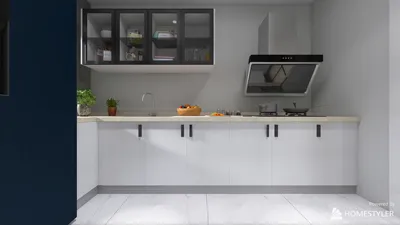


For over ten years, I have been designing and constructing modular kitchens throughout Bangalore, catering to everything from cozy apartments to luxurious villas. The cost can greatly differ, but when you categorize the expenses by modules, materials, and fittings, you can find reliable estimates. A well-optimized straight kitchen ranging from 8 to 10 feet usually starts at around ₹1.8 to ₹2.5 lakh with mid-range finishes. In contrast, an L-shaped kitchen measuring 12 to 14 feet typically falls between ₹2.6 to ₹3.8 lakh, featuring quality fixtures and quartz countertops. For U-shaped kitchens or island configurations using high-end materials, anticipate costs between ₹4.5 to ₹8 lakh, while custom-built upscale systems can go beyond ₹10 lakh, incorporating built-in appliances and premium lighting solutions, often facilitated through tools like Homestyler.
Price considerations extend beyond cabinetry—factors such as lighting design, ergonomic layouts, and workflow optimization play a crucial role in the kitchen’s long-term value. Effective kitchen tasks necessitate unobstructed sightlines and focused lighting in both preparation and cooking zones. The WELL v2 Light framework establishes ideal standards for glare management and lighting uniformity in crucial areas, leading me to incorporate a mix of ambient and task lighting using warm-to-neutral dimmable LEDs for optimal comfort and functionality. Furthermore, maintaining a streamlined work triangle reduces unnecessary movements; research conducted by Gensler indicates that optimized spatial layouts enhance task efficiency and lessen mental strain—principles applicable to any residential kitchen design.
Cost Framework: Current Bangalore Market Estimates
When planning budgets in Bangalore, I typically assess local sources, labor costs, and common kitchen layouts:
These estimates reflect the standard carpentry rates and supply chains found in Bangalore and exclude any premium built-in appliances or extensive structural works. If you are considering complete appliance packages (oven, dishwasher, built-in refrigerator, microwave, induction and gas hobs), expect an additional 12 to 18% on your overall budget. Moreover, if your space requires new electrical circuits, plumbing adjustments, or gas line modifications, factor in an extra 8 to 12%.
Layout Influences on Cost: Modules, Corners, and Service Runs
Every extra corner, tall unit, or appliance setup can push up the cost. Blind corners require innovative solutions—such as lazy susans or magic corners—adding expenses of ₹18,000 to ₹45,000 per corner, depending on the brand and load specifications. A tall pantry with internal pull-outs usually costs around ₹30,000 to ₹60,000. Misaligned service runs (for instance, having the sink far from the cooktop and fridge) necessitate longer counters and additional base units. Tools like Homestyler come in handy for visualizing different layouts before final decisions are made, especially when considering U versus L shapes and tall storage configurations.
Material Choices: Selection Criteria and Rationale
In terms of cabinet construction, BWP ply or HDHMR materials perform exceptionally in Bangalore's humid environment, while robust solid 18 mm boards offer additional durability. For shutters, laminates are cost-effective and durable; acrylic provides a luxurious high-gloss finish and resistance to scratches. PU or lacquered options increase costs but yield a seamless, upscale appearance. Countertops made from local granite are practical and durable, while engineered quartz strikes a balance between aesthetics and ease of maintenance; sintered stone, although premium-priced, offers excellent resistance to heat and stains. For backsplashes, quartz uprights or tiles are recommended, while solid-surface backsplashes can increase costs but offer durability and ease of cleaning.
Hardware and Ergonomics: Invest Wisely
The experience of using a kitchen is heavily influenced by hardware. I usually select soft-close runners with suitable load ratings, ensuring full-extension access for pots and pans, complemented by damped hinges. Pull-out organizers, cutlery trays, and spice racks enhance workflow efficiency. Ergonomically, counter heights should ideally be between 860 and 900 mm, tailored to user stature, with drawer placements between knee and waist height. High cabinets equipped with lift-up doors maximize ceiling heights. Research from Herman Miller emphasizes how correct height and reach can decrease strain and improve efficiency, insights which are valuable even in kitchen settings.
Lighting: Ensuring Comfort and Efficiency
For task areas, an illumination level of 300 to 500 lux is required with minimal glare; meanwhile, ambient lighting can be maintained around 150 to 300 lux. Use neutral color temperatures (ranging 3500–4000K) for preparation and cooking sections while opting for warmer tones (2700–3000K) for dining. Installing LED strips beneath wall cabinets eliminates shadows during food preparation and cooking. The WELL v2 Light framework advocates for glare control and balanced lighting—aligning with the use of diffused fixtures and high CRI LEDs to maintain color accuracy for food and materials.
Appliances: Budget Considerations That Matter
Starting prices for hob and chimney packages lie between ₹18,000 and ₹45,000, while built-in ovens typically range from ₹30,000 to ₹90,000. Dishwashers cost between ₹40,000 and ₹85,000, and the price for refrigerators varies widely—from ₹25,000 for basic models to over ₹1.5 lakh for premium French door types. Induction hobs and microwave-combo units can add another ₹25,000 to ₹80,000, depending on brand and capacity. In Bangalore, investing in reliable ventilation systems and easy-to-maintain filters is particularly beneficial, given common cooking habits and the presence of airborne particulates.
Acoustic Considerations and Noise Control
Hard surfaces can create noise disturbances. I employ underlayments for flooring and incorporate soft furnishings—like rugs or cushioned stools—to dampen sound. Quality drawer dampers and hinges help mitigate slamming. Evaluate noise ratings (dB) of chimneys and strategically place compressors (like fridges) away from seating areas where feasible.
Storage and Workflow: My Preferred Ratios
In compact kitchens, I divide storage approximately into the following proportions: 40% for base cabinets (for heavy items), 35% for drawers (utensils, plates, everyday ware), and 25% for wall cabinets (including spices and light pantry items). In larger kitchen designs, a tall unit with pull-outs can occupy 20 to 30% of dry storage. Maintaining the kitchen work triangle (sink-hob-fridge) within a total distance of 4 to 7 meters is optimal, as this setup minimizes unnecessary movement. When testing clearances around an island, a distance of 1000 to 1200 mm generally allows comfortable passage, aided by tools like Homestyler for layout simulations.
Color Significance and Finish Selection
Using neutral colors (like warm greys, taupes, and off-whites) helps keep future resale in mind while blending with Bangalore’s natural light. Accent colors on a featured wall or backsplash can invigorate the space without being overpowering. Shades of blue and green often impart a refreshing and clean vibe; interestingly, research in color psychology links blue tones to tranquility and green to harmony, resonating with the soothing ambiance many of my clients seek.
Emphasizing Sustainability and Longevity
Opt for water-resistant materials such as BWP ply and HDHMR, along with low-VOC finishes and energy-efficient LEDs. Quartz countertops offer low maintenance and durability, while granite remains resilient with occasional sealing. Consider utilizing FSC-certified wooden products when available and prioritize repairable hardware systems to extend the lifecycle of the kitchen.
Anticipated Hidden Costs
Electrical modifications for new circuits or additional sockets can range from ₹8,000 to ₹25,000. Plumbing adjustments for relocating sinks or adding RO drains may cost between ₹6,000 and ₹18,000. Civil works—like leveling walls or re-tiling backsplashes—usually incur costs from ₹12,000 to ₹45,000. Site protection during installation is typically priced at ₹5,000 to ₹12,000, and design and supervision fees fluctuate based on project scope, generally falling between 8 to 12% of overall costs.
Project Timelines and Phasing Considerations
The design and approval phase usually takes 1 to 2 weeks, followed by manufacturing time ranging from 2 to 4 weeks depending on finishes (with PU materials requiring curing time). Site preparation and utility installations typically last 3 to 7 days. Installation of modular systems generally takes 3 to 6 days; integrating appliances or calibrating lighting can add an additional 1 to 2 days.
My Recommended Priorities for Spending
Frequently Asked Questions
For a straight kitchen layout measuring 8 to 10 ft with mid-tier finishes, budget around ₹1.8 to ₹2.5 lakh, not accounting for luxury appliances or significant structural changes.
The choice of shutter finishes and hardware also matters. Sticking to laminates with mid-range soft-close systems can help maintain your budget; however, opting for PU/acrylic with premium runners might increase costs by ₹45,000 to ₹1.2 lakh, varying with size.
For most clients, quartz countertops are advisable. They provide consistent coloring, low porosity, and ease of maintenance compared to granite, which is durable but requires more upkeep due to its natural variations.
Aim to achieve lighting levels of 300 to 500 lux in task zones by incorporating diffused LED strips beneath cabinets and targeting a high CRI (90+ if possible) with a color temperature around 3500 to 4000K for prep areas.
Utilize full-extension drawers for daily items, and introduce a slim pull-out near the hob for spices and oils, while keeping heavier pots stored in base cabinets. Only consider a single tall unit if it does not inhibit traffic flow.
If appropriate circulation allows for clearances of 1000 to 1200 mm around all sides, it can be feasible. Otherwise, opting for a peninsula may help preserve the work triangle. Tools like layout simulation software can assist in testing clearances effectively.
You can expect to budget ₹1 to 2.5 lakh for hob, chimney, dishwasher, built-in oven, and microwave from mid-range brands, but know that refrigerators can significantly inflate this estimate.
Absolutely. The benefits of smooth, soft-close operations and full-extension access reduce physical strain and accelerate workflow, demonstrating a strong relationship between investment and client satisfaction.
Typically, installations take 3 to 6 days, with an additional 1 to 2 days needed for the integration of appliances and the calibration of lighting systems.
Acrylic offers durability and an appealing high-gloss surface resistant to scratches, whereas PU provides a seamless refined look with custom color options but can be more expensive and requires careful maintenance.
Neutral color themes paired with well-considered accent hues tend to appeal to buyers; implementing subdued blues and greens can refresh the kitchen without deterring potential future buyers.
To minimize sound transmission, use damped hardware, select quieter chimneys, introduce soft furnishings near dining areas, and consider floor underlayments that help absorb sound.
What began as an Autodesk innovation has evolved into a design platform used by more than 18 million people around the globe. Homestyler combines powerful rendering, an intuitive editor, and a vast furniture library to help you turn inspiration into photorealistic designs — whether you're redesigning a single room or planning an entire home.
Discover your dream space with Homestyler! This user-friendly online design platform offers an intuitive design tool, stunning 3D renderings, and a wealth of DIY video tutorials. Whether you're a novice or an expert, Homestyler makes it easy to create beautiful home designs that inspire.
지금 무료로 디자인하세요
































