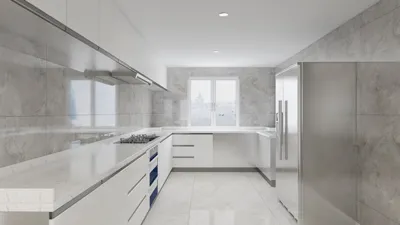


In my extensive experience with modular kitchen baskets, I have evaluated, specified, and installed countless options in a variety of living spaces including apartments, compact studios, and full-sized family homes. One of the most notable revelations for clients is the significant impact that a well-designed basket system—comprising wire, SS304, and powder-coated varieties—can have on daily comfort, storage hygiene, and longevity. By striking the right balance among cutlery trays, plate racks, bottle pull-outs, corner carousels, and deep pot baskets, you can transform your kitchen from untidy to effortlessly organized. Leveraging tools like Homestyler can help visualize these adaptations effectively.
Two fundamental aspects guide my recommendations. Firstly, ergonomic reach and clearances are crucial; studies indicate that minimizing repetitive bending and awkward reaches reduces fatigue and errors. For practical advice, I often refer to the WELL v2 guidelines on musculoskeletal comfort regarding reach envelopes and work heights. Secondly, optimal lighting in preparation and storage areas enhances visibility and speeds decision-making; the Illuminating Engineering Society suggests task lighting levels in kitchens range from 300 to 500 lux with effective glare control, complementing under-cabinet lights situated over basket pull-outs, which also aligns well with IES standards.
When it comes to selecting basket types, costs, and smart trade-offs, I break down the choices methodically to help keep budgets in check while ensuring functionality and durability. I will highlight instances where layout adjustments can lead to significant savings—sometimes reconsidering the design of a corner or bottle zone using a room layout tool like Homestyler can eliminate the need for costly hardware entirely.
Basket Types and Typical Price Ranges
Through my projects, the price ranges outlined here represent the common fluctuations I’ve observed across mid-range manufacturers and stainless options. It’s important to note that regional differences and brand-specific premiums may apply.
Material Choices Influencing Cost and Longevity
The choice of material is the primary factor affecting cost. In kitchens exposed to high humidity or coastal climates, I recommend SS304 baskets for their corrosion-resistant properties. Although more budget-friendly options like powder-coated or chrome-plated wire exist, they may chip or rust over time when cleaning liquids accumulate. For clients who frequently use heavy cookware, I pair SS304 baskets with full-extension, soft-close sliders rated for higher weights. If budgets are constrained, maintaining SS304 in high-use areas while opting for powder-coated wire in less frequently accessed zones can help control expenditures.
Slides, Runners, and Load Capacities
The quality of hardware can significantly affect costs. For example, a deep pot basket equipped with 35–45 kg rated sliders operates distinctly better compared to a 25 kg rated slide when burdened with cast iron cookware. I make it a point to request spec sheets from suppliers for the slides and strategically plan basket placements so that heavier items are kept closest to the cooktop and sink. Smooth soft-close features minimize slamming and the associated wear on cabinetry over time. In many kitchens, investing in upgraded sliders for two or three high-usage baskets can provide more value than applying luxurious finishes throughout.
Prioritizing Layout: Avoid Overspending on Inappropriate Baskets
Before making any purchases, I always create a simulation of the layout. For instance, placing a bottle pull-out next to the dishwasher can lead to conflicts with door swings. While a magic corner may be advantageous in L-shaped designs, it often proves to be impractical in smaller U-shaped kitchens where direct-access drawers offer better utility. Testing clearances, walk paths, and appliance arcs with an interior layout planner such as Homestyler can avert unnecessary expenses and disappointment. If a client prefers a corner carousel, we ensure to verify reach, knee clearance, and handle placements to affirm that it is superior to a more straightforward pair of deep drawers on the adjacent run.
Strategic Spending: Determine Where to Invest and Where to Cut Costs
I generally adopt a tiered strategy:
This careful arrangement helps prevent overspending in low-impact areas while ensuring that daily movements are efficient. Moreover, it considers ergonomic principles: items that are handled frequently should be stored at heights that fall between knuckle and shoulder level to reduce strain, aligning with the WELL v2 musculoskeletal comfort standards.
Illumination, Visibility, and Basket Hygiene
Having good lighting is essential for ease of access when retrieving spices or stacked plates. Task illumination in the range of 300-500 lux, paired with warm-neutral lighting from 3000–3500K, minimizes glare and color distortion over stainless baskets. I steer clear of exposed LED strips directed at the eye; instead, I suggest placing them under cabinet edges to mitigate glare and shadows. For wire baskets, using removable silicone liners not only stabilizes smaller items but also simplifies cleaning.
Reducing Noise and Enhancing Acoustic Comfort
Utilizing soft-close hardware diminishes impulse noise, especially in open-plan areas. In households with early risers, a kitchen that is free from clattering sounds is noticeably beneficial. Adding felt pads to contact points and rubber components to bottle pull-outs helps to maintain a quieter environment. I've achieved good results by substituting rattling chrome baskets with sheet-metal SS versions in noise-sensitive homes.
Color Psychology and Finish Choice
Color subtly influences how organized a kitchen can feel. Neutral, matte interiors help reduce visual distractions and make it easier for users to identify missing items. Aligning with practical color psychology principles, well-balanced neutral shades promote a sense of order and lower cognitive load when users scan for items. I prefer matte SS baskets to mirror chrome, as they show fewer fingerprints and curtail glare, contributing to a more serene kitchen ambiance.
Sustainability and Maintenance
Opting for stainless steel is not only a sustainable choice as it is recyclable, but it also proves durable if dried properly after washing. Select baskets that come with replaceable components—like slides, liners, and waste bins—so that you can upgrade individual parts without discarding entire modules. It’s best to avoid mixed-material inserts that can trap moisture. For those who cook regularly, conducting a quarterly check-up on the condition of slide screws and cleaning the rails can ensure smooth operation and prolong the life of the hardware.
Price Logic Typically Utilized in Proposals
Instead of providing a single total sum, I break down baskets based on their function and the quality of hardware. This transparency helps clients understand how a heavy-duty slide can contribute to costs and allows them to determine if it is worth the investment. In the context of a compact L-shaped kitchen, my line items frequently include: two deep pot baskets made of SS304 with high-load soft-close sliders; one thali rack; one spice tray; one bottle pull-out; one waste pull-out; and an optional corner solution. The corner unit tends to have the most variable price—mechanized magic corners can demand a high premium. If the layout permits, I occasionally replace this with standard drawers and a short open shelf, which not only saves money but also enhances accessibility.
Common Missteps That Lead to Escalated Costs
When Investing in Premium Baskets is Justifiable
I endorse premium baskets when clients need to store heavy cookware, have young children (for safety, via soft-close features), or live in open-plan kitchens where noise control is critical. I also advocate for high-quality waste pull-outs that feature airtight lids to mitigate pests and odors. A simple guiding principle follows: if an item is accessed ten times a day, it’s worth the investment.
Installation Insights from Experience
It’s vital to check the squareness of carcasses and the alignment of rails before installation. Even a minor 2-3 mm skew can hinder the smooth operation of soft-close sliders. In cases where the floor is uneven, shim the base and reassess reveals. During renovations, measure the internal clear widths carefully; some baskets lose space due to slider housings, which can hinder fitting large plates or pans. Always maintain a 3-5 mm side clearance for seamless operation.
Adjustments Following Installation
Educating the household on the designated location of each basket is essential; simple labeling can significantly reduce searching and minimize wear on slides. If a bottle pull-out rattles, enhancing it with a rubber base liner and reviewing the vertical spacing can help. Heavy cookware should always be shifted to the lower deep basket to maintain a low center of gravity and ensure happier slides.
Frequently Asked Questions
Opt for SS304 if you frequently encounter high humidity, regular washing, or heavy cookware usage. Powder-coated options are more suitable for drier environments and lighter kitchen tasks. I often employ a mix, using SS304 in high-use areas and powder-coated options for secondary storage.
Only if the layout and reach dynamics favor it. In confined U-shaped kitchens, direct-access deep drawers may outperform a magic corner in terms of accessibility and cost-effectiveness. Validating this with a layout simulation tool such as Homestyler before finalizing decisions is advisable.
For deep pot baskets, soft-close slides rated for 35–45 kg handle heavy cookware effectively. Lighter trays and spice organizers can accommodate lower ratings. Always consult the manufacturer’s spec sheet for confirmation.
Absolutely. Kitchens benefit greatly from achieving 300-500 lux at task surfaces with low glare. Under-cabinet lighting enhances visibility, lessens mistakes, and facilitates easier scanning of stainless baskets.
Implement soft-close slides, add rubber liners in bottle pull-outs, and select matte SS baskets over flimsy chrome options. Additional maintenance can be achieved using small felt pads at contact points for noise reduction.
For families that cook daily, definitely consider dual-bin systems to contain odors and streamline recycling efforts. Airtight lids and full-extension rails are worth prioritizing.
To minimize strain, keep frequently used items located between knuckle and shoulder height. Heavy cookware should ideally reside in the lowest deep basket for improved stability.
Yes, however, make sure to measure internal clear widths carefully and verify slider housing dimensions. A slight skew in the carcass can influence soft-close performance, thus necessitating realignment and shimming as required.
Matte, neutral finishes decrease glare and visual noise, facilitating item visibility. Additionally, brushed SS tends to show fewer fingerprints compared to mirror chrome finishes, enhancing overall aesthetics.
Selecting SS304 is advisable for humid configurations, ensuring that baskets are dried thoroughly post-cleaning, and avoiding harsh chemicals that could deteriorate coatings. Always replace worn liners and promptly attend to any leaking issues.
Homestyler is your go-to online home design platform, perfect for bringing your creative visions to life. With its easy-to-use design tool, stunning 3D renderings, and a wealth of DIY video tutorials, you'll find everything you need to craft your dream space effortlessly.
Design Now for FREE
































