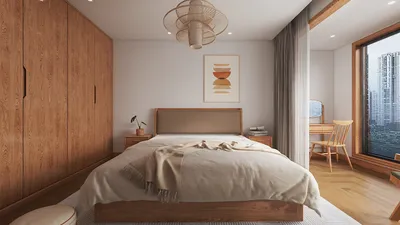


I once worked with a client who believed that their living room simply had to have a pull-down Murphy bed, emphasizing that "guests are sacred in my family"—in a compact 700 sq ft two-bedroom apartment. This unexpected request taught me an invaluable lesson: limitations spark innovation. Smaller spaces compel you to prioritize needs, combine functions, and optimize movement throughout the area.
In this article, I will present five of my favorite inspirations for designing modern two-bedroom home layouts. Each suggestion is based on actual projects I've overseen, complete with candid insights into what succeeds and what pitfalls to avoid. Small spaces can ignite enormous creativity—allow me to demonstrate how to achieve that with the help of Homestyler.
1. Open-Plan Living with Clearly Defined Areas
Removing one wall to merge the kitchen, dining, and living areas can work wonders in two-bedroom layouts. The result is a perception of a larger space, better light flow, and a sociable atmosphere. I often utilize rugs, layered lighting, and a low-back sofa or console to gently demarcate areas without enclosing the layout. The advantage is a bright, adaptable main area; the downside is potential sound issues—consider incorporating acoustic panels or soft materials if you often host gatherings.
save pin
2. Versatile Guest/Workspace in the Second Bedroom
Many couples nowadays require a second room that functions as both a home office and a guest bedroom. I suggest incorporating a wall bed or a space-saving sleeper sofa, alongside built-in storage and a foldable desk. This combination maintains an orderly room while accommodating two different uses. Although it may not resemble a high-end guest suite, it significantly enhances utility for day-to-day living.
save pin
3. Walk-Through Pantry Coupled with Laundry Space
Transforming a narrow hallway or the area adjacent to the kitchen into a walk-through pantry that also includes laundry capabilities can provide an efficient service area. This keeps clutter out of sight and enhances workflow. In a recent renovation I completed, this design allowed for more countertop space and a well-organized utility section. However, one must carefully plan for ventilation and adequate space; poorly executed, it can feel cramped.
save pin
4. Integrated Storage that Functions as Architecture
When every square foot counts, your storage should blend seamlessly within the structure itself. Consider options like full-height cabinetry, under-stair drawers in duplexes, and window seats featuring hidden compartments. I enjoy creating built-ins that resemble architectural elements—these solutions streamline the home’s appearance and promote visual tranquility. While the initial investment may exceed that of free-standing furniture, the benefits in usable area are substantial.
save pin
5. Outdoor Extension: A Small Balcony with a Big Influence
Even a compact balcony can transform into a functional outdoor room by adding decking, foldable seating, and a vertical planter wall. I assisted a client in converting a 5 ft deep balcony into a delightful summer dining nook, effectively creating an additional living space. The main challenges include ensuring weather resistance and choosing the right furniture, but when designed thoughtfully, an outdoor extension greatly enhances the perception of living space.
To quickly visualize various layouts and test circulation flow, experimenting with 3D floor planners like Homestyler would make it easier to avoid layout errors early on.
save pin
Tips 1:
Budget considerations: focus on long-term essentials such as built-ins, a smart kitchen design, and efficient HVAC systems rather than on fleeting trends. My principle is to invest in the layout first, and enjoy the aesthetics later. A practical tip: always measure twice for appliances and entryways; I learned the hard way that a refrigerator that doesn't fit can be an expensive mistake.
save pin
FAQ
Q1: What is the ideal square footage for a comfortable modern two-bedroom home?
A1: Typically, modern two-bedroom residences range from 700 to 1,100 sq ft, contingent on layout efficiency and lifestyle requirements. Well-executed planning and adequate storage can make the smaller end feel quite spacious.
Q2: How can I create the illusion of more space in a small two-bedroom home?
A2: Implementing an open-plan design, consistent flooring, thoughtful lighting, and integrated storage solutions can significantly enhance the perception of space. Minimizing visual clutter and maximizing natural light are crucial tactics I employ in most of my projects.
Q3: Are built-in cabinets a worthy investment?
A3: Absolutely—built-ins not only optimize space but also elevate resale value, despite their higher initial cost. I advocate for investing in built-ins, especially in kitchens and key storage areas.
Q4: How can I design a flexible second bedroom for guests and work?
A4: The best approach is to merge a wall bed or compact sleeper sofa with a fold-down desk and built-in shelving; always incorporate adjustable lighting and ensure privacy with sliding doors or curtains.
Q5: What are common mistakes made in two-bedroom layouts?
A5: A frequent error is allocating too much space for movement, neglecting storage planning, and overlooking the clearances for appliances. I always create mock-ups to test circulation paths before finalizing any designs.
Q6: Can small balconies genuinely serve as additional living space?
A6: Indeed—when fitted with decking, weather-resistant seating, and thoughtful shading, a small balcony can function as a usable living room for a significant part of the year.
Q7: Where can I access reliable planning tools to evaluate layouts?
A7: Leverage professional floor planners and 3D visualization tools like Homestyler for early layout mock-ups; these resources are invaluable for identifying issues and refining circulation before any construction begins.
Q8: Are there recognized design guidelines I can rely on?
A8: To understand accessibility and minimum room sizes, consult local building codes and standards like the International Residential Code (IRC) or your local residential design regulations; these documents provide essential, authoritative guidelines.
save pin
Discover your design potential with Homestyler! This user-friendly online platform offers a powerful design tool, stunning 3D renderings, and a wealth of DIY video tutorials. Whether you're a beginner or a pro, Homestyler makes bringing your interior design dreams to life easy and inspiring!
立即免费设计
































