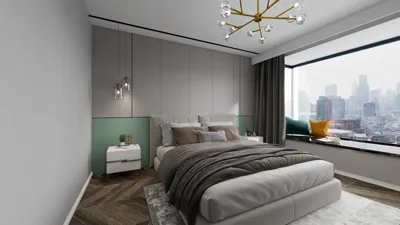


I approach the design of TV walls with the intent to make them feel like architectural elements rather than just pieces of furniture. A well-designed modern unit should serve as the centerpiece of the room, providing balance to sightlines, concealing clutter, and enhancing your viewing, hosting, and relaxation experiences. The ideal solutions harmoniously combine proportion, materials, lighting, and acoustics, ensuring that tech is seamlessly integrated, so that the screen becomes an attractive feature instead of a mere distraction. Utilizing tools like Homestyler can further assist in visualizing these elements effectively.
The design foundation is set by considering scale and viewing ergonomics. Ideally, the center of the TV should be positioned at eye level when seated (around 42–48 inches from the floor for standard sofa height), with a minimum viewing distance of about 1.5 to 2.5 times the diagonal size of the screen. Research by Herman Miller highlights the importance of maintaining neutral neck angles to minimize strain; installing the screen too high can lead to fatigue. WELL v2 guidelines reinforce the significance of visual comfort and glare management, linking the right lighting and reflectance to decreased eye strain. I conceptualize the media wall as a controlled lighting zone, steering clear of overly bright spots.
The role of lighting is critical in defining an effective TV wall. The Illuminating Engineering Society (IES) advises against direct glare and harsh contrasts; I favor a layered lighting approach that includes soft backlighting behind panels, low-glare wall washers, and adjustable ambient sources to maintain comfortable luminance ratios. The WELL v2 guidance supports the use of tunable, indirect illumination that mitigates reflections and enhances visual comfort. When strategizing complex alignments between wall and seating or accommodating multiple viewers, I often utilize design tools like Homestyler to simulate distances, lines of sight, and cable pathways.
Principles of Modern Media Wall Design
Proportion is a top priority in my designs. I strive to provide the TV with a balanced expanse of negative space, roughly equivalent to the width of the screen on either side, while framing it with sleek vertical structures or asymmetrical shelving to soften the starkness of the black rectangle. Floating consoles elevate the aesthetics by lifting mass off the floor, while full-height portals in wood or micro-cement offer a sophisticated architectural touch to the screen.
Material choices should be made with care. Matte finishes work wonders in minimizing reflections; the warmth of open-pore oak, walnut, or ash is inviting, alongside the crispness of satin lacquer. For a contemporary twist, I recommend combining micro-cement with ribbed wood slats. In terms of acoustics—which cannot be overlooked—perforated panels or fabric-covered doors allow sound from concealed speakers to shine through while hiding equipment. Opting for sustainable materials like FSC-certified veneers, low-VOC finishes, and recycled aluminum handles delivers modern looks without compromising on indoor air quality.
Incorporating Hidden Storage and Seamless Technology
Clutter can undermine modern design. I meticulously plan for cable management channels, ventilation openings, and discreet access points right from the beginning. A slim technical spine situated behind the TV routes power and HDMI cables efficiently, featuring removable magnetic covers for maintenance convenience. Pull-out trays for media players and gaming consoles keep remotes and controllers both handy and out of sight. A narrow equipment niche to one side creates balance while avoiding symmetrical monotony.
For audio, my preference leans towards a 3.1 or 5.1 sound system cleverly concealed behind acoustically transparent fabric. Ensure that subwoofers utilize shadow gaps at the base for venting; they should never be sealed behind solid doors. In cases using a soundbar, positioning it beneath the TV with a matching shelf while connecting a single cable harness behind creates a clean look. Smart lighting options—like ‘Movie’, ‘Game’, or ‘Host’ settings—can be paired with dimming functionality to maintain a smooth transition when the screen's brightness varies.
Light, Color, and Visual Comfort
Managing glare is essential. To ensure an optimal viewing experience, avoid glossy finishes in direct lines of sight to the screen. Utilizing a short-throw wall washer with a soft spread of light across the media wall can create an inviting gradient; additionally, employing indirect LED strips tucked behind the unit adds depth without causing reflections on the display. Tunable white lighting in the 2700–3500K range provides a cozy atmosphere in the evening, while a brighter 3500–4000K is perfect for the daytime, especially when coupled with effective window shading.
The psychology of color also plays a role in fostering a relaxing viewing environment. Deep neutral backgrounds—such as charcoal, taupe, or inky navy—calm the space around the TV, reducing visual distractions. The inclusion of warm woods contributes to a softer atmosphere, while a singular accent niche in muted terracotta or moss provides character without drawing too much attention. I ensure that saturation levels remain low near the screen, focusing bolder colors on side shelving or artistic display areas.
Effective Layouts
In smaller spaces, a floating console with integrated side storage and a wall-mounted TV frees up floor area. Conversely, in open layouts, creating a freestanding media partition can establish a designated seating area on one side, while offering shelves or a workspace on the other. Corner placements can effectively navigate challenging window situations; angling the TV within the corner along with asymmetric shelves can beautifully fill negative spaces.
For rooms with multiple rows of seating, I suggest staggering sofas or incorporating a swivel lounge chair to better align views with the screen. If space allows, positioning a low platform underneath the main sofa can subtly elevate sightlines without raising the TV itself. The design process is simplified when using an interior layout planner, making it easier to test distances, cable layouts, and lighting placements.
Finishes and Detailing
Modern furniture units thrive on clean junctions. I typically incorporate 3–5 mm shadow gaps between panels to define layers and conceal tolerances. Edge-banded shelves with a 1 mm radius are both sharp in appearance and safe to touch. Doors mounted on concealed hinges maintain a streamlined look; vertical fluting provides texture without adding visual bulk. Match electrical outlets to the wall color and strategically position them low within the console to keep them out of view.
Opt for matte anti-glare paint behind the TV and specify low-sheen laminates or Fenix-style surfaces for the consoles. Integrate a slim art ledge to maintain a visual balance with the black screen when it is not in use. If avoidance of the screen's appearance is desired, a dark, textured background is ideal; conversely, to highlight the screen, framing it with light timber and a micro-lipped reveal works wonders.
Acoustics Without Compromise
Lively living rooms can echo unintentionally. To soften the media wall area, I advocate for incorporating plush elements: a dense-pile rug, fabric panels built into shelving units, and curtains with weighted hems. Bookshelves can act as sound diffusers when arranged with varying depths to disrupt reflections. For more advanced setups, a concealed absorber panel measuring 50–75 mm filled with mineral wool and covered in fabric can profoundly enhance auditory clarity without compromising the visual appeal.
Small Space Solutions
In compact apartments, maximizing vertical space is essential. A tall, narrow spine with a wall-mounted TV and a shallow console, combined with slim side shelves, optimizes storage while maintaining clear pathways. Adding a fold-down desk beneath one bay is a great solution for hybrid living. Utilize pocket doors or tambour fronts to quickly conceal equipment when guests are over.
Designing for Family Life
Incorporating round corners, soft-close hardware, and secured cables keep curious children safe. It’s crucial to mount the TV securely to wall studs and use an anti-tip strap for any freestanding units. Keeping consoles at depths of 18–20 inches minimizes the risk of head bumps, and ensuring at least 30–36 inches of circulation space in front is vital. Choosing finishes that resist fingerprints helps maintain a tidy appearance.
2024–2025 Design Trends
The trends continue to favor ribbed wood, micro-cement, and darker, moodier color palettes, which pair well with sleek LED profiles and smart light scenes. I’ve observed a rise in standalone partitions that serve dual purposes as storage and room dividers, in addition to fabric-covered panels that can hide speakers and control glare. The notion of understated luxury—characterized by subtle materials, precise reveals, and hidden technology—feels contemporary without being overly ostentatious.
Quick Refresh Tips for Your Space
To quickly update your media wall, consider applying a darker paint behind the TV, adding a floating shelf below, and employing concealed cable covers. Installing dimmable wall washers and slim LED backlighting will effectively reduce glare. Replace glossy decorations with matte ceramics and books, and introduce a singular art ledge adorned with layered frames to achieve a harmonious composition when the screen is off.
Frequently Asked Questions
For optimal viewing, aim to place the TV center at about 42–48 inches from the floor, suitable for typical sofa heights. Keeping the top of the screen no higher than the average seated eye level is essential to prevent neck strain, in line with ergonomic guidance on neutral viewing angles.
A distance of approximately 1.5–2.5 times the diagonal size of the TV works well. For example, for a 65-inch screen, this translates to around 8–13 feet, though adjustments may be necessary based on room dimensions and individual preferences.
Implementing matte finishes surrounding the screen, utilizing indirect lighting, and integrating dimmable wall washers is advised. Avoid positioning bright lamps directly opposite the TV, and consider using tunable lighting in the 2700–3500K range for evening settings.
Plan for well-structured cable management channels, ventilated equipment compartments, and shallow drawers for remote controls. Including a removable access panel simplifies maintenance procedures.
Absolutely—employ acoustically transparent fabric fronts or perforated panels. Ensure that subwoofers are vented through shadow gaps, and never seal speakers behind solid doors.
Recommendations include matte lacquer finishes, open-pore wood veneers, micro-cement, and low-sheen laminates. Prioritize low-VOC finishes and FSC-certified wood for enhanced indoor air quality.
To maximize space, create a vertical design with a narrow spine and a 10–12 inch deep console. Consider corner placement or a floating unit to maintain open floor space and a free flow.
Yes, design can certainly be family-friendly—focus on rounded corners, soft-close mechanisms, and secure wall anchoring. Ensure clear circulation and select finishes that resist fingerprints.
A soft, dimmable backlight can effectively reduce glare and eye strain when used judiciously. Avoid direct LEDs reflecting on the screen; instead, emphasize a subtle glow.
Design a tech spine positioned behind the TV, complete with conduits and magnetic access covers. Organize power and data cables separately, and provide service loops for straightforward device replacements.

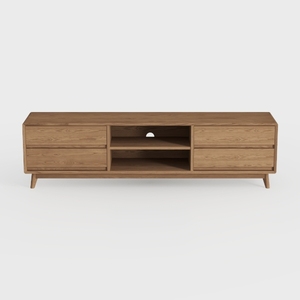
Homestyler offers a fantastic online home design experience! Use its intuitive design tool, explore a wealth of 3D renderings, and access inspiring DIY video tutorials. Perfect for anyone looking to turn their design ideas into reality without needing prior experience!
Design Now for FREE
































