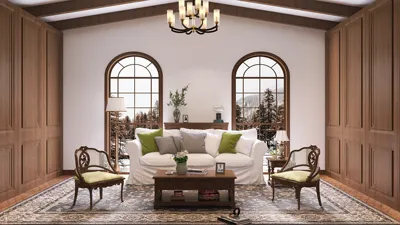


Creating a contemporary Sri convention hall begins with a clear vision: adaptable spaces, straightforward circulation, and top-notch comfort. In expansive venues, the overall experience rests significantly on minor elements—sound management, layered lighting, and navigational clarity. Research from Steelcase indicates that environments that successfully merge acoustic control with visual clarity can elevate focus and satisfaction considerably; in multifunctional halls, this means more engaged audiences and seamless event execution. The WELL v2 standards also emphasize the importance of reducing glare, appropriate lighting levels, and acoustic comfort as crucial for attendee wellbeing, which informs practical choices like ceiling treatments, lighting intensity, and seating design.
The fundamentals of capacity planning and sightlines form the core of the space's design. Gensler’s studies consistently show that spatial clarity is linked to increased user comfort, highlighting the need for clear circulation paths, generous exits, and unobstructed views toward the stage or focal points. IES guidelines suggest employing layered lighting with appropriate levels of brightness; in large venues, this usually translates to 300–500 lux for circulation and seating during setup and 100–200 lux for presentations, with accent lighting illuminating stage elements to create contrast and draw attention. To facilitate rapid layout testing—be it for banquet, theater, or exhibition setups—consider utilizing a layout simulation tool such as a room design tool to optimize capacity and sightlines before proceeding with construction.
Key Design Elements for a Modern Sri Convention Hall
When planning convention halls, I center around four pillars: versatile functionality, acoustic excellence, lighting management, and efficient logistics. As modern events shift from conferences to weddings or exhibitions within a single day, the architectural framework must be adaptable without causing visual disorder. I utilize modular stages, retractable risers, divisible drapery, and movable acoustic panels. Regularly spaced rigging points transform ceilings into canvases for production, while underfloor raceways maintain a tidy appearance.
Effective Spatial Planning and Flow
Begin with proportional zoning: a prominent hall area, supplementary pre-function zones (20–30% of the main floor area), private service corridors, and clearly defined loading routes. I advocate for a looped circulation path that allows guests to locate amenities easily, avoiding dead-ends. Ensuring separate flows for VIPs, vendors, and guests helps to minimize congestion. To quickly visualize seating arrangements, buffet layouts, and exhibition spaces, employ an interior layout planner or a room design visualization tool to assess potential obstructions and ADA compliance prior to construction.
Seating Arrangements and Sightlines
Sightlines are critical. For theater-style arrangements, stagger rows by at least a third of a chair's width and maintain a vertical viewing angle of 12–14° towards the stage. In banquet configurations, provide a 1.5–1.8 m aisle every 3–4 tables to enable smooth service and evacuation. For hybrid events, camera risers should be positioned along central back axes, with cable routes following perimeter trenches to keep floors clear. Curved seating arrangements or chevron layouts can reduce viewing distances and foster a sense of intimacy in larger spaces.
Acoustic Design Strategy
Large venues often suffer from poor acoustics. I aim for a reverberation time (RT60) between 0.8 and 1.2 seconds to achieve clarity in speech within expansive halls, adjusting the space with a combination of high-NRC wall panels, acoustic drapery, and perforated ceiling designs backed by mineral wool. Floating acoustic baffles above the audience help mitigate echo and add visual interest. Bass traps in corners can help manage low-frequency buildup from live performances. To offer flexible acoustics, I use retractable curtains or operable partitions to adjust the acoustic space for smaller events. It's also essential to keep mechanical noise levels below 35 dBA in the main hall and 30 dBA in green rooms to maintain speech intelligibility and recording quality.
Lighting Design and Control Strategies
My approach to lighting is systematic: ambient light for safety, accent lighting for emphasis, and dynamic stage lighting for narrative crafting. I recommend utilizing high-CRI (90+) LED fixtures with color temperatures ranging from 2700 to 3500K for banquets and 3500 to 4000K for conferences, ensuring accuracy in skin tones and textiles. Dimmable architectural downlights with glare-control lenses, alongside wall grazers to enhance texture, create a rich visual experience without creating harsh spots. Following IES guidelines, I integrate various presets—setup, rehearsals, performances, dining, and cleaning—allowing crews to adapt efficiently. Advanced control systems like wireless DMX and centralized management ensure that rented lighting integrates effortlessly with the facility's infrastructure.
Color and Material Selection
Color plays a vital role in shaping guest perceptions. Warm neutral tones complemented by muted jewel accents (like sapphire, emerald, or maroon) convey elegance for weddings and corporate events alike. Mental associations suggest that blues promote calmness and trust, while warm wood tones enhance hospitality. The materials chosen should be both durable and tactile: for instance, solution-dyed carpets with solid underlays for acoustical dampening; timber or laminate wainscoting in high-impact areas; and stain-resistant upholstery featuring tightly woven fabrics. Opting for low-VOC coatings and FSC-certified wood contributes to healthier interiors and facilitates vendor compliance.
Technical Infrastructure and Stagecraft
Plan rigging across a 3–4 m grid ensuring each point's safe working loads are clearly documented. Provide redundant power sources: 3-phase connections for entertainment lighting and clean power for AV systems. Cable trenches and floor boxes strategically positioned (at stage corners, the center, and front-of-house) streamline setup. A well-equipped backstage area—including elements such as a green room, wardrobe, makeup area, and a compact production office—enhances efficiency for talent and crew. Sightline monitors located toward the stage wings and assisted-listening systems within the hall further support accessibility.
Enhancing Guest Experience with Hospitality Touchpoints
Modern gatherings focus heavily on guest comfort. I design spacious pre-function areas featuring lounge clusters, leaning surfaces, and charging stations. Restroom locations should be intuitive along routes from the main hall, while additional family rooms and versatile facilities should be added based on community needs. Food and beverage service thrives with dual-sided buffets and convenient back-of-house pass-throughs. Utilizing resilient materials in high-traffic bar areas and slip-resistant surfaces in spill-prone zones is crucial. Effective wayfinding should be user-friendly: incorporating high-contrast signage, consistent iconography, and lighting that quietly hints at exits and facilities.
Sustainability and Operational Efficiency
Durable designs minimize waste. Select replaceable carpet tiles in high-traffic areas, implement LED lighting throughout, and utilize occupancy-based controls. Installing MERV-13 filters and commissioning HVAC systems for variable event loads, alongside sensors to moderate usage during low occupancy, aids efficiency. Water-saving fixtures and smart metering empower operators with data for managing utility demands. Where climate permits, mixed-mode ventilation enhances comfort in pre-function areas by introducing fresh air during transitions.
Ensuring Safety, Accessibility, and Code Compliance
Exit pathways must be kept clear and clearly defined; sizing for exit widths should accommodate peak crowd levels with redundancy. Accessible routes to every seating category and stage should be provided, featuring ramp slopes at or below 1:12 and companion seating spread throughout. Protective features such as handrail grips, tactile flooring transitions, and contrasting colors at stair edges cater to all age groups. Implement secure bag checks at entry points and CCTV surveillance in critical areas, while maintaining inviting sightlines and a focus on hospitality.
Incorporating Regional Character and Identity
In designing a Sri convention hall, I like to weave in elements of local craftsmanship without pinning the venue to a single theme. This may include carved wood screens serving as acoustic diffusers, stone inlay motifs integrated into wall designs, or textile-inspired metalwork on balcony edges. Keeping the overall aesthetic neutral allows for brand embellishments and wedding decor to reimagine the space while built-in features maintain a recognizable signature in the community.
Planning Toolkit: From Concept to Execution
Today’s events necessitate speed and efficiency. I prototype circulation paths, seating configurations, and staging early on in a layout simulation tool to reveal conflicts between service and attendee routes. During the documentation phase, I call out maintainable fixtures and easy access to service points. In the lead-up to opening week, I conduct cue-to-cue tests with vendor teams covering lighting, audio, and decor to ensure that presets and patch lists are ready for the inaugural gala. A comprehensive operations manual—including turnover checklists, lighting setups, and cable layouts—provides valuable long-term benefits.
FAQs
I aim for 20–30% of the main hall area to account for registration, sponsor booths, and social mingling while maintaining adequate acoustics before guests enter.
For setup and rehearsals, utilize 300–500 lux, reduce to 100–200 lux during presentations and dining, and ensure dedicated accent lighting for stages and decorations. Dimming and predefined presets facilitate smooth transitions.
Combine high-NRC wall panels, acoustic drapery, and perforated ceiling structures to achieve a target RT60 of around 0.8–1.2 seconds for optimal speech clarity. Enhance this with baffles over seating areas and bass control near corners for live music settings.
Opting for chevron or gently fan-shaped seating layouts can reduce viewing distances and optimize angles. Ensure rows are staggered, maintain modest stage height (600–900 mm), and keep vertical sightlines within 12–14°.
Utilize durable flooring solutions such as solution-dyed carpet tiles, high-CRI warm LED lighting, and FSC-certified wood accents, alongside stain-resistant upholstery with robust edge protections at impact zones.
Leverage rigging grids, modular staging, drapery divisions, programmable lighting scenes, and concealed floor boxes for efficient setups. Pre-set areas for chairs and linens can significantly cut down on turnover time.
Implement high-contrast signage, consistent iconography, and visible landmarks—such as feature walls or chandeliers—to guide guests effectively through the venue. Ensure essential sightlines are clear from entry to the main hall and amenities.
Provide reliable power sources for AV systems while isolating high-load circuits for lighting. Incorporating floor boxes at stage edges, front-of-house, and mid-aisle spots minimizes cable lengths, and enhance accessibility with assisted-listening infrastructure.
Maintaining a quiet noise environment (≤35 dBA) and precisely controlled RT60 (around 1.0 seconds) optimizes speech clarity and microphone effectiveness, which reduces the need for extensive post-processing in broadcasts.
Using warmer white tones (2700–3000K) enhances skin tones and floral arrangements, while ensuring high CRI (90+) preserves color accuracy in photography and video.
Incorporate scalable motifs such as screens, patterns, and textures that appear sophisticated rather than overly thematic. Keeping fundamental finishes neutral allows for brand embellishments to easily adapt to different events.
Utilize energy-efficient LED lighting throughout, occupancy sensors, MERV-13 filtration systems, water-conserving fixtures, and smart metering. Selecting durable and replaceable materials for high-traffic zones significantly reduces long-term waste and operational costs.


Homestyler is your go-to online home design platform! With its user-friendly design tool, stunning 3D renderings, and a wealth of DIY video tutorials, you can unleash your creativity and transform any space with ease. Perfect for both beginners and seasoned designers!
Zaprojektuj teraz za darmo
































