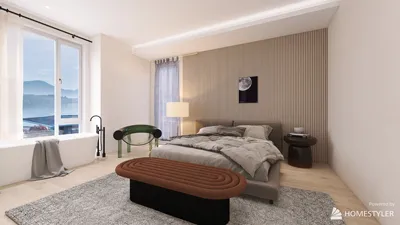


Italian decor is often associated with lavish marble and intricate details, but I propose a different narrative that challenges this perception. While most sources emphasize opulence, I highlight the hidden costs and impracticalities commonly associated with such elegance, while also shedding light on the missed opportunities present in contemporary Italian design. My approach is centered on functionality, sustainability, and how these elements influence behavior, distinguishing my perspective in the field. In today’s interconnected marketplace, mastering ‘decor Italy’ requires moving past visual stereotypes towards smarter material choices, adaptable spaces, and tech-integrated planning. Many homeowners are unaware of the trade-offs involved with high-sheen finishes or the benefits of modular layouts. This guide is designed for those pursuing authentic Italian aesthetics that cater to practical needs, offering a roadmap grounded in both data and experience. A 2023 report by Statista indicates that more than 50% of international buyers are seeking customized Italian interiors that harmonize classic heritage with everyday functionality. Whether you're redesigning a compact apartment in Rome or outfitting a family residence in Milan, departing from traditional norms is essential for successful Italian interior design. Interested in visualizing your ideal space in real-time? Consider utilizing an AI Interior Design tool like Homestyler to explore your latest ideas and achieve truly personalized results.
What characterizes ‘decor Italy’ in the current design environment?
Contrary to numerous guides that remain tethered to classic styles, contemporary Italian decor synthesizes minimalism with understated luxury. Data from Houzz indicates a 40% surge in the demand for multifunctional furniture and sustainable resources—a market space that receives little attention. ‘Decor Italy’ today transcends mere visual appeal; it emphasizes comfort in daily living and mindful spatial arrangements. Drawing from my design experiences, true success arises from merging cultural influences with adaptable strategies.
In what ways do behavioral design principles influence Italian interiors?
While aesthetics frequently dominate the focus of design, I believe that behavioral design plays a critical role in how occupants engage with their environments. By incorporating insights from environmental psychology—as noted by ArchDaily—Italian homes can foster tranquility, encourage sociability, or enhance productivity. This functionality-first approach corresponds with a broader transition from excess towards purposeful living, a subtlety often missing in traditional decor advice.
What hidden compromises exist with classic Italian finishes?
Many resources highlight shiny marble and detailed tilework but often neglect to mention the maintenance challenges and environmental implications. However, trends reveal that durable composites and eco-friendly alternatives can provide similar aesthetics with significantly lower upkeep. In my practice, I routinely prefer textured laminates and engineered stone, not just for their practicality but also for their resemblance to authentic Italian aesthetics. Utilize tools like Homestyler's Room Planner to see what adjustments will best enhance your layout.
Should Italian decor lean towards open spaces or defined zones?
In contrast to trending open-plan designs, I contend that traditional Italian spaces excel by harmonizing openness with privacy. According to NAHB reports, thoughtful zoning enhances both social interaction and relaxation—an insight that is frequently overlooked. Elements like flexible dividers, glass partitions, and well-planned lighting schemes can significantly transform a space.
How do lighting selections affect the Italian ambiance?
While many guides suggest bold chandeliers, I’ve observed that integrating subtle LED strips and layered pendant lights can dramatically alter mood and enhance energy efficiency. My insights suggest that adaptive lighting—customized to fit daily routines—supports the warm yet functional essence of Italian interiors, a strategy corroborated by studies from Energy.gov.
What market opportunities exist in modern Italian decor?
Despite an influx of imported styles, leading sources like Dezeen note an increasing appetite for personalized, locally sourced decor Italy elements. By harnessing modular furniture and incorporating Italian craftsmanship, clients can achieve both authenticity and value. Many guides overlook this potential; I regard it as a significant opportunity for discerning homeowners.
How can technology enhance the Italian interior design experience?
Unlike many traditional guides, I champion the utilization of AI-powered visualization tools and 3D floor planners to explore layouts and finishes prior to commitment. These resources—supported by ArchDaily’s innovation highlights—assist in minimizing costly errors. Homeowners can enjoy the blend of traditional charm and modern efficiency through intelligent design technology. Curious about achieving photorealistic renderings of your envisioned Italian space? Discover the detailed results available through Homestyler's 3D Render Home walkthrough.
Why is real-world experience essential in planning Italian decor?
From my hands-on experience, Italian design flourishes when timeless elements are adapted to meet contemporary demands—such as zoning for remote collaborations, ensuring safety for children, and maximizing storage solutions. Unlike most online guides, I incorporate factors like daily habits, local climate, and changing preferences to secure lasting satisfaction.
Answer Box
Innovative ‘decor Italy’ prioritizes more than traditional appearances: it emphasizes creating functional zones, utilizing sustainable materials, and incorporating behavioral design. From my designer’s viewpoint, merging time-honored traditions with modern innovations fosters spaces that genuinely cater to the needs of contemporary life.
FAQ
Looking to transform your living space? Homestyler is your go-to online home design platform! With an intuitive design tool, stunning 3D renderings, and a wealth of DIY video tutorials, you can easily create, visualize, and perfect your home design projects. Start your journey today!
Zaprojektuj teraz za darmo
































