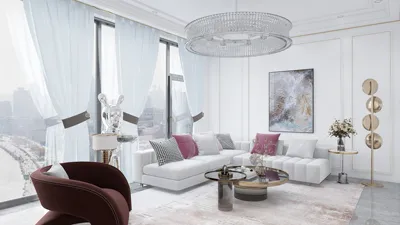


In a past project, I decided to paint an entire dining room wall a matte black at a client's request, believing it would beautifully showcase their mid-century table. It certainly did, but guests later remarked that the space felt like a movie theater. This experience taught me that although small dining areas can benefit from bold design choices, it's essential to balance them with thoughtful details and appropriate scale. In this article, I will share five modern wall decor ideas for dining rooms that I have successfully implemented, including spatial strategies that enhance the layout effectively, potentially with the help of tools like Homestyler for visualization.
1. Textured Layer Wall (paint + panels)
Combining a matte paint foundation with slim wood slats or vertical plaster panels creates depth without overwhelming the space. This approach results in a tactile and contemporary feel, particularly suited for neutral color schemes. However, using panels can increase costs, so I often recommend considering wood-look MDF alternatives to stay budget-friendly.
save pin
2. A Thoughtfully Curated Gallery Wall
A gallery wall exudes warmth and personalization when the displayed pieces share similar color palettes or framing styles. I advise selecting a dominant piece complemented by smaller artworks; this prevents the chaotic feel often associated with 'pinboards.' It’s an economical choice but demands careful curation — too many favorite items can detract from a modern aesthetic.
save pin
3. Mirrors and Reflective Art to Expand Visual Space
I frequently utilize mirrors in compact dining areas as they reflect light and create an illusion of spaciousness. In open-concept homes, it’s important to consider the flow from dining to kitchen. Positioning a vertical mirror opposite a busy kitchen might lead to an unsettling reflection, so I often balance this with matte artwork nearby to provide visual stability. Mirrors are relatively inexpensive compared to built-in features, but it's crucial to ensure they are hung at the right height for a polished effect.
save pin
4. Eye-catching Lighting as Wall Decor
Incorporating a sculptural sconce or a multi-layered pendant light can serve as wall decor when teamed with a slim shelf or a small piece of art. Lighting not only introduces drama but also functionality; I suggest opting for dimmable options to enhance the ambiance. A caveat is the electrical work involved: if rewiring isn’t feasible, consider plug-in or surface-mounted fixtures that appear intentional.
save pin
5. Integrated Banquette with Upholstered Back as Art Element
A low banquette with a tall upholstered back transforms into a living wall, combining seating, sound absorption, and decorative appeal. I've implemented this solution in studio apartments to maximize seating while concealing storage beneath. While this option can represent an investment, it is a brilliant solution for confined spaces; for visualizing this concept, you can use realistic home renders or tools like Homestyler to experiment with colors and proportions before actual construction.
save pin
FAQ
Q1: What colors are ideal for modern dining room walls?
A: Neutral shades such as warm grays, soft greiges, or deep, muted blues provide a contemporary and flexible backdrop, allowing furniture and artwork to shine. While darker colors can add drama to larger rooms, I typically recommend using an accent wall in smaller spaces instead of painting all four walls.
Q2: Is wallpaper still a trendy choice for dining rooms?
A: Absolutely! When used thoughtfully, textured or graphic wallpaper can appear very modern. I recommend applying it to a single focal wall or within framed sections to maintain an intentional look.
Q3: How can I hang large artwork without damaging plaster walls?
A: To hang heavy art pieces, use wall anchors rated for the weight or secure them into studs when possible. Picture rails offer a non-invasive attachment option. For particularly heavy items, consider using cleat systems that distribute the weight safely.
Q4: Are mirrors suitable for formal dining rooms?
A: Definitely! Mirrors enhance light and elegance, particularly when paired with classic framing or custom shapes to match the dining room's style. Avoid positioning mirrors to reflect cluttered spaces or appliance clusters.
Q5: What budget should I allocate for creating a feature wall?
A: A painted accent wall with molding or simple panels can be achieved on a modest budget of a few hundred dollars. However, custom millwork or upholstery tends to be pricier. I always recommend that clients focus on one standout element rather than multiple unfinished features.
Q6: Can lighting serve as wall decor?
A: Yes, wall sconces and layered pendants can be both operational and decorative; using dimmers increases their versatility for dining environments. Ensure the metal finishes complement other fixtures in the room for a cohesive look.
Q7: How do I select artwork for a small dining area?
A: Choose one prominent piece or a small, well-curated collection that aligns with the room's color scheme and scale. According to insights from the National Kitchen & Bath Association (NKBA), proper visual balance and scale are essential for effective and appealing dining spaces (source: https://nkba.org/).
Q8: What quick suggestions do you have for renters unable to alter wall structures?
A: Using removable wallpaper, command hooks for artwork, freestanding leaning mirrors, and decorative textiles such as tapestries or mounted fabric panels can dramatically enhance a wall without any long-term alterations. These alternatives help maintain a modern aesthetic while being flexible and risk-free.
Homestyler is your go-to online home design platform, perfect for both beginners and seasoned DIYers. With its user-friendly design tool, stunning 3D renderings, and a wealth of design projects and video tutorials, creating your dream space has never been easier!
今すぐ无料でデザイン
































