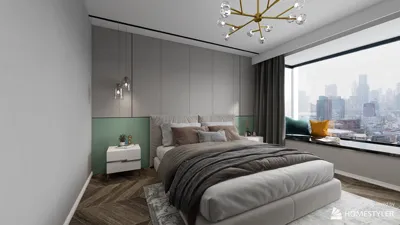


When designing living room ceilings, I see them as understated conductors of the atmosphere: they manipulate light, enhance sound quality, and balance proportions without demanding too much attention. A well-thought-out false ceiling can provide these advantages while maintaining a minimalist charm. Utilizing clean lines, precise edges, and simple materials allows essential elements like furniture, colors, and natural light to take precedence. The design software " Homestyler" can assist in visualizing such spaces seamlessly.
Research indicates that choices made regarding ceilings can greatly affect comfort and behavior. The WELL Building Standard (WELL v2) suggests focusing on glare reduction and balanced lighting to alleviate visual strain—these goals can routinely be met via indirect lighting installed in ceilings and by using matte finishes. Additionally, studies from Steelcase reveal that effectively managed acoustics can promote concentration and enhance social interactions; in living rooms, a slight drop ceiling with acoustic features can absorb sound reflections without appearing bulky. For more insights, refer to the WELL v2’s light guidelines and the available resources in Steelcase’s research collection regarding lighting quality and human comfort.
Colors play a significant role in our perception, often in understated manners. An overview from Verywell Mind on color psychology indicates that warm, neutral shades can foster a sense of relaxation, whereas cooler hues provide a light, spacious feel—this is particularly crucial when considering ceilings as prominent visual elements. When combining this with controlled color temperatures (2700–3000K for cozy evenings, and 3500–4000K for clarity during the day) as well as luminance ratios as recommended by IES, a simplified false ceiling can elegantly harmonize mood and visibility.
Fundamental Concepts for Minimal False Ceilings
Minimalism is not about simply reducing elements; it is about eliminating the superfluous while embracing essential forms. I focus on proportion, rhythm, and prominent performance characteristics—such as light, sound control, and ease of maintenance—prioritizing these over ornate designs. It's crucial to maintain tight joints, ensure edge details are consistent, and allow the ceiling to incorporate services discreetly. When strategizing furniture arrangements and movement pathways, I frequently utilize a room planning tool like Homestyler to ensure that lighting coves and overlaps neatly support the natural flow and gathering spaces of human activity.
Design Concept 1: Slim Perimeter Cove with Gentle Indirect Illumination
A narrow drop, typically ranging from 75 to 100 mm, around the room's edges can create a hidden LED light channel that gently illuminates the ceiling plane. This indirect lighting method minimizes high-angle glare and evenly distributes light, aiding visual comfort while achieving the WELL v2 lighting standards. Keep the reveals sharp, with a shadow gap of about 10–15 mm, and choose high-CRI LEDs (90+) within the 3000–3500K range to optimize warmth and clarity. In smaller spaces, this technique can visually enhance ceiling height while maintaining the area’s central elevation.
Design Concept 2: Centered Floating Panel
A slim, floating rectangle (or a soft oval) can define the main seating area while preserving the existing ceiling border. With an offset of 40 to 60 mm and subtle shadow gaps, a sense of lightness is achieved. This design can also cleverly hide fixtures such as fans or downlights, positioning them outside primary sightlines. This approach ensures a balanced focal point for conversation areas and screen displays, avoiding excessive wall illumination.
Design Concept 3: Linear Slot Lighting
Creating minimal ceiling channels equipped with linear LEDs can direct movement pathways from the entryway to the seating area. Align these slots with furniture arrangements for effortless navigation. Ensure wide beam angles (100–120° diffusion) and select low-UGR optics to minimize glare. An integrated slim acoustic liner positioned above the slot will help absorb mid-frequency sounds, particularly advantageous in hard-surface flooring environments.
Design Concept 4: Two-Level Plane for Spatial Zoning
Subtle shifts in level, ranging from 20 to 40 mm, can effectively separate media areas from reading nooks, without significant volumetric alterations. Implement the lower plane above social clusters and position the higher plane towards passageways. This layout intention not only reinforces spatial definitions but aligns with human behavioral tendencies: individuals tend to gravitate towards spaces that feel both defined and open. Use consistent paint finishes across various levels to ensure visual harmony.
Design Concept 5: Edge-Reveal Ceiling with Hidden Services
A continuous shadow line around the edges (10–20 mm) can conceal cable runs, compact speakers, and track drivers, simplifying maintenance and readying for future upgrades. This reveal also provides a delineation that sharpens the room’s boundary and enhances the perception of order.
Choosing Materials and Finishes
For minimalist designs, I prefer using high-grade materials like gypsum or calcium silicate boards featuring taped joints and fine skim coats. These can be paired with low-sheen paints (≤10 gloss units) to mitigate reflective glare. In areas subjected to humidity or temperature fluctuations, moisture-resistant boards and anodized aluminum profiles are advisable. Sustainably sourced acoustic panels can be installed in the ceiling plenum for improved speech clarity, while discreet perforations can be concealed with fabrics to maintain a sleek appearance.
Lighting Environment: Color, Output, and Management
Aim for an ambient illumination level of 200–300 lux across living areas, with adjustable task lighting for reading positions reaching 400–500 lux. Ensure color temperatures are modifiable: use 2700K in the evening for a relaxing atmosphere and 3500–4000K during the day for a fresh feel. Employ dim-to-warm LEDs to create a natural transition at night. Employ layered circuits incorporating indirect cove lighting, accent spots, and movable lamps on distinct dimmers for comprehensive control. Adhere to IES recommendations for luminance ratios to avoid overly bright areas and to ensure balanced surface contrast.
Acoustic Comfort Achieved Without Bulk
Even minimal ceiling designs require an adequate acoustic strategy. A slim drop featuring mineral wool backing (≥25 mm) and an air gap efficiently absorbs mid-range frequencies, common during conversations and television use. Fixtures should be installed using vibration-isolating mounts to eliminate noise. In spaces with hard finishes, adding fabric-wrapped panels or rugs will complement the acoustic benefits of the ceiling—creating an effective sound absorption system.
Proportion and Visual Harmony
Ceiling elements should echo the geometry of the room’s furniture. Align cove designs with the lengths of sofas and the axes of coffee tables. Establish uniform module widths, such as 600 or 1200 mm grids, to preserve visual rhythm. In lower ceilings (less than 2.4 m), it's advisable to steer clear of heavy coffers; opt instead for thin reveals and uninterrupted planes. In taller spaces (greater than 2.8 m), a subtle drop ceiling can mitigate echo and enhance comfort by scaling down the room's perceived volume.
Integrating Ceiling Fans Effectively
Consider how to achieve balanced air circulation. Center ceiling fans above seating groups rather than in the room's center, maintaining a clearance of 230–300 mm from any floating panels. Opt for quiet DC motors to ensure a peaceful atmosphere. Incorporate dedicated structural support to ensure the floating panel remains sleek but safe.
Important Minimal Details
Utilize trimless fixtures to maintain a seamless aesthetic. Align access panels with reveals, and define uniform 3–5 mm joints between panels. Double-check sightlines from seated positions to ensure that ceilings appear to seamlessly blend in rather than dominate the space. Effective cable management is essential—conceal drivers and dimmers within convenient bays.
Planning and Visualization Techniques
I often sketch layout relationships early in the design phase—ceiling lines should reflect the geometry of seating arrangements and circulation routes. To confirm sightlines, zoning, and fixture positioning before production, using a room layout tool like Homestyler ensures the translation of intent into clear visuals that your contractor can execute efficiently.
Maintenance Considerations for Longevity
Design ceilings for easy access to service: separate lighting circuits, reachable drivers, and standardized LED profiles. Select finishes that can be easily maintained for touch-ups. Where dust buildup may be an issue, consider closed coves complemented with removable covers to safeguard optics and simplify cleaning.
Frequently Asked Questions
Ceilings at heights around 2.6 m or more can accommodate comfortable drops of 50–100 mm without feeling constrictive. In lower spaces, prioritize minimal drops and use perimeter reveals instead of bulky coffers.
Aim for an ambient light level of 200–300 lux, with local task lighting targeting 400–500 lux for reading tasks. Employ dimmers to adjust to changing times and activities throughout the day.
Utilize 2700–3000K during the evening hours for relaxation and 3500–4000K when it's daylight. Employing dim-to-warm LEDs can help facilitate a natural transition that enhances comfort throughout the evening.
Absolutely. Even a subtly integrated drop with mineral wool backing can significantly diminish sound reflections. Combining this with soft furnishings will yield a well-balanced acoustic environment.
To securely mount a fan, position it on a structurally reinforced area within or neighboring a floating panel, maintaining a clean shadow gap to ensure its weight is properly supported without sacrificing aesthetics.
High-efficiency indirect LEDs paired with effective reflectance from matte white ceilings can be beneficial, as they reduce glare compared to traditional exposed downlights.
Opt for smooth-finish gypsum or calcium silicate boards, along with trimless fixtures, matte finishes, and slender aluminum extensions. Avoid heavy textures and elaborate trims for a minimalist appearance.
Yes, subtle definitions are possible—implement a perimeter cove or a subtle floating panel to delineate the seating area without narrowing the visual space.
Keep lighting fixtures out of direct sightlines. Prefer using indirect coves and fixtures with low glare ratings. Strategically position accent lights to avoid direct alignment with the viewing axis.
Ensure easy access to drivers and junction boxes; standardize LED profiles for quick replacements, and rely on durable, low-sheen paints that can easily be touched up as needed.


If you're looking to transform your space effortlessly, Homestyler is your go-to online home design platform. With its user-friendly design tool, stunning 3D renderings, and a wealth of inspiring DIY video tutorials, bringing your interior design vision to life has never been easier!
Projete agora para LIVRE
































