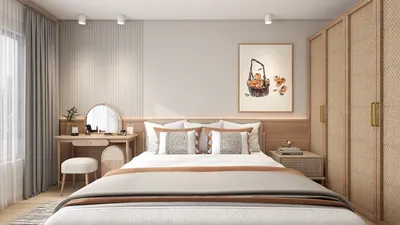


I am drawn to clean, well-balanced treatments of Plaster of Paris (POP) that enhance a room without dominating it. When POP is applied thoughtfully—through slender coves, sharp shadow lines, and clean junctions—it creates a sense of lightness, organization, and a subtle rhythm on the ceiling. In my designs, I consider the ceiling as a serene backdrop, utilizing POP only where it enhances the overall visual harmony or controls lighting effectively, often incorporating tools like Homestyler for visualization.
When designing ceilings and lighting, data is crucial. The WELL v2 standard advises against glare (UGR < 19 for work surfaces) and suggests maintaining illumination of 300–500 lux for general activities. This aligns perfectly with how I plan POP coves to shield LED sources while maintaining a pleasant brightness. Research from Steelcase has shown a connection between lighting quality and perceived comfort, leading to increased productivity; even slight adjustments in glare control can significantly enhance focus. I rely on these benchmarks to determine cove depth and diffuser placement, ensuring precision rather than estimation.
The choice of color also affects the ambiance created by POP. According to insights from VerywellMind, softer neutral tones can lessen visual disruption, while warmer whites can foster a welcoming atmosphere. I typically keep ceiling POP within the Light Reflectance Value (LRV) 80–90 range to maximize light reflection without compromising the material's character. By integrating WELL lighting targets with established color psychology principles, the resulting design remains both inviting and practical, making tools like Homestyler especially helpful for visualizing these concepts.
Embrace Minimalism: Elegant Lines, Strong Proportions
A streamlined POP design begins with moderation. I prefer a shadow gap of 10–20 mm at the junctions of walls and ceilings to present clean, intentional edges. When ceiling heights allow, a recessed border of 40–60 mm helps achieve a floating appearance, thus minimizing visual heaviness at the edges. Such subtle adjustments create a harmonious environment, allowing furniture, artworks, and natural light to take center stage.
Gentle Cove Lighting for Daily Comfort
A slender POP cove can transform harsh point lights into soft ambient illumination. I position LED strips 20–30 mm back from the edge, utilizing an opal diffuser to reduce peak brightness and prevent scalloping effects. For living spaces, I aim for ambient lighting of 150–250 lux with a color temperature of 2700–3000K; in study areas, I elevate it to approximately 300 lux and complement it with task lamps. Adhering to WELL v2 guidelines on glare control, the cove's profile effectively shields the LED from direct sight while ensuring adequate vertical illumination.
A POP Feature Without Complexity
When a focal point is required in a room, I recommend a singular centrally placed panel or a simple geometric frame instead of intricate layered trays. A designated feature area of 600–900 mm above the coffee table, finished flat, can seamlessly accommodate a pendant light or fan. It's essential to maintain a relief of under 15 mm for easier maintenance and to prevent dust accumulation in deep recesses.
Exploring Color, Texture, and Finishing Methods
POP serves as an excellent base for a matte, low-sheen finish, concealing imperfections while diffusing light effectively. I generally choose neutral whites with a hint of warmth. In spaces that receive cooler light (north-facing), using warm whites can enhance comfort; conversely, in bright daylight settings, neutral whites help avoid yellow tones. Coordinating the ceiling color with a subtly darker wall shade (ΔLRV ~10–15) adds depth without creating harsh contrasts.
Acoustic Tranquility Through Smart Surface Choices
In acoustically challenging living areas, the ceiling can help manage sound reverberation. While POP is reflective, incorporating small acoustic panels or perforated gypsum sections over seating arrangements can effectively soften reverberation times without altering the overall aesthetic. It’s important to keep perforation patterns minimal and subtle; this way, the ceiling retains a clean look while enhancing the room's sound intimacy.
Understanding Ergonomics and Human Elements
Ceiling height and visual weight play significant roles in overall comfort. I tend to avoid low, multi-tiered POP designs in spaces with ceilings under 2.7m; a simple thin border with a shadow gap suffices. For home office spaces, it’s vital to position downlights away from screens to eliminate glare, ensuring that any symmetrical layouts align with the main pathways for intuitive navigation.
Sustainable Design Choices
Opt for low-VOC primers and paints, guarantee that POP is fully dry before application, and seal all access points to minimize air leaks. In rental environments, reversible designs—such as straightforward coves and detachable lighting channels—allow for returning the ceiling to its original condition, generating minimal waste. Material efficiency embodies a certain elegance and simplicity.
Thoughtful Layouts That Complement POP
POP achieves its best results when coordinated with furniture arrangements and traffic flow. I outline the primary seating layout and centralize feature components within that space, rather than relying solely on the room's geometric layout. Utilizing an interior layout planner, like Homestyler, enables quick visualization of cove placements concerning sofas, dining areas, and windows. This approach ensures that lighting and POP elements harmonize with the room's actual usage.
Room design visualization tool
2024–2025 Minimal Ceiling Trends
In my recent projects, I’ve identified three enduring trends: ultra-thin perimeter coves that elevate the ceiling line, matte finishes with glare control replacing shiny alternatives, and understated feature frames that accommodate a single light source or fan. The ultimate objective is to create a peaceful aesthetic—not an empty space—ensuring every line serves a purpose.
Utilize straight aluminum channels for LED installations to effectively dissipate heat and keep lines straight. Ensure thorough priming of POP, sand between layers, and employ fine caulking in shadow gaps to avoid cracking. Access panels should be minimal and aligned with grid lines for a clean appearance.
Start with the shadow gap and a single cove; refrain from complicated tiers. Invest in high-quality diffusers and drivers—well-designed lighting elevates a straightforward ceiling to a premium feel. The quality of paint is a key factor in visible costs per square meter; it’s worth investing wisely.
Reference Materials
I rely on WELL v2 standards for daily glare and illumination targets, along with color psychology research to curate visually serene spaces. Steelcase’s studies on workplace environments emphasize that well-balanced light facilitates focus, even in home setups. While these parameters aren't rigidly fixed, they assist in ensuring that rooms are pleasant for actual use.
Key references: WELL v2 and Steelcase Research.
Common Questions
A narrow shadow gap (10–20 mm) paired with a thin perimeter cove creates a clean look, enhances edge elevation, and controls glare when used with diffused LEDs.
Aim for an ambient light of approximately 150–250 lux with 2700–3000K LEDs, ensuring LED sources are not directly visible to keep glare at a minimum, in accordance with WELL v2 standards.
Deep trays can overwhelm low ceilings. Opt for a flat surface with a slim border instead, and limit recesses to under 60 mm in areas with ceiling heights below 2.7 m.
The best finishes are matte or eggshell with low VOC composition. Matte surfaces diffuse light effectively, minimizing the visibility of minor imperfections; avoid gloss finishes on ceilings.
While POP is reflective, the incorporation of small acoustic panels or perforated gypsum zones above seating areas can lower sound reverberation without cluttering the visual space.
Center feature frames around the main seating or dining area, rather than the geometric center of the room. Utilize a room layout tool like Homestyler to assess sightlines and luminaire placements.
Warm lighting at 2700K promotes relaxation. Maintain modest brightness levels (~100–150 lux ambient) and limit exposure to LEDs to diminish glare effects.
Exposure to humidity is manageable with appropriate sealing and ventilation. Ensure complete curing before paint application, opt for moisture-resistant primers, and avoid recessed designs that may trap moisture.
Designate a flat feature area (600–900 mm in diameter) for a pendant light or ceiling fan. Keep the relief minimal to ensure the fixture is neatly integrated.
Avoid over-layering. Excessively intricate designs lead to visual clutter and maintenance challenges. Prioritize light and proportion in your design.

Minimalist Oak Linen 3 Seat Sofa 3D Model
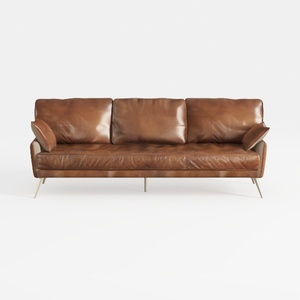
Modern Vintage Leather 3 Seater Sofa With Metal Legs 3D Model
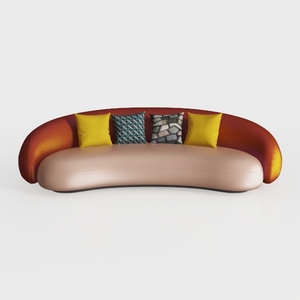
Modern Two Tone Fabric Curved Sofa With Decorative Throw Pillows 3D Model
Homestyler is your go-to online platform for effortless home design. It features a user-friendly design tool, stunning 3D renderings, a wealth of inspiring design projects, and helpful DIY video tutorials. Transform your space and unleash your creativity today with Homestyler!
지금 무료로 디자인하세요
































