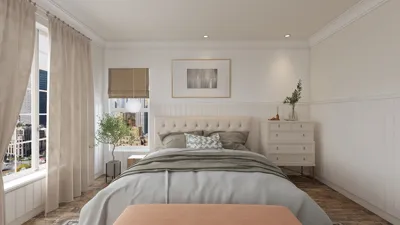



Direct Answer
In numerous U.S. regions, applying a metal roof directly over asphalt shingles is permissible provided local building regulations allow only one additional roofing layer, the underlying deck remains structurally sound, and proper underlayment and fire safety standards are observed. Most local codes align with the International Residential Code (IRC) which mandates secure attachment, approved underlayments, and adherence to wind and fire resistance requirements.
Quick Takeaways
Introduction
Having completed numerous roofing retrofit projects, I've discovered that the most common error homeowners make when considering metal roofing over shingles isn’t related to structure but to compliance. Building code requirements for installing metal roofing over shingles vary more than most anticipate, and neglecting these can complicate what seems like a straightforward upgrade.
Many homeowners assume that metal roofs can simply overlay existing shingles due to contractor promotions advertising it as a quick solution. However, building inspectors frequently verify the condition of the deck, the type of underlayment, fire rating classifications, and ventilation enhancements. Although guidelines stem from the International Residential Code, local adaptations are common.
When planning a roofing retrofit, visualizing the roofing layers and roof shape can prevent layout errors. Designers often utilize tools like Homestyler to create realistic 3D home models, enabling better understanding of how roofing components integrate with the house structure.
This article will clarify the actual building code regulations, industry best practices contractors follow, and the specific criteria inspectors seek during approval.
When Building Codes Permit Metal Roofing Over Existing Shingles
Key Insight: Most residential building codes allow metal roofing over shingles only if there is a single existing layer and the roof deck is undamaged and structurally stable.
The International Residential Code (IRC Section R908) permits a new roofing material to be installed atop an existing layer if the old roofing is in good condition and the roof deck remains intact. Inspectors typically focus on assessing the number of existing layers, the integrity of the deck, and the correctness of fastening methods.
The National Roofing Contractors Association (NRCA) advises thoroughly inspecting the roof deck before installing metal roofing, as trapped moisture or deck damage can significantly reduce the lifespan of the new roof system.
Underlayment Requirements According to Roofing Codes
Key Insight: Building codes frequently require an approved underlayment to be installed under metal roofing overlays to prevent condensation and enhance fire protection.
Underlayment is often overlooked in retrofit metal roofing projects. Homeowners sometimes mistakenly believe the existing shingles serve as sufficient underlayment, but most inspectors demand a dedicated protective layer between shingles and metal roofing.
Commonly accepted underlayments include synthetic materials, felt paper, or ice and water shield membranes designed for roofing.
The Metal Construction Association increasingly recommends synthetic underlayments due to their superior performance managing the higher temperatures associated with metal roofs.
Fire Rating and Roof Deck Protection Standards
Key Insight: Fire classification is a critical factor in determining if a metal roof overlay installation will receive approval.
Roof assemblies must meet specified fire resistance levels. Typically, residential coatings necessitate a Class A fire rating—the highest protection standard.
A compliant system generally includes fire-resistant underlayment, proper spacing, and metal panels certified for fire safety.
Certification from organizations like UL and ASTM is essential; if the metal roofing assembly hasn't been tested as an integrated system, inspectors may reject the installation.
Regional Differences in Roofing Regulations
Key Insight: Local climate conditions and hazard risk zones often supersede general roofing code permissions.
While national codes establish baseline rules, municipalities adjust regulations to account for local environmental factors such as wind speeds, wildfire risks, and snow loads.
For example, areas prone to hurricanes may require enhanced fastening methods to prevent roof panel displacement during storms, as recommended by FEMA.
Summary for Metal Roof Installation over Shingles
Installing a metal roof atop existing shingles is often allowed if only one shingle layer exists, fire rating standards are met, an approved underlayment is installed, and local inspections are passed. Still, codes and manufacturer instructions may influence or override these conditions.
Manufacturer Instructions and Retrofit Metal Roofing
Key Insight: Installation guidelines from manufacturers are typically enforced during inspections as part of building code compliance.
Even if local regulations permit metal roofing over shingles, failure to follow manufacturer recommendations can void warranties and cause inspection failures.
Instructions usually require specifics about fastening, underlayment type, and roof deck condition.
Design professionals often utilize software like Homestyler to create accurate renovation plans, helping them visualize roof structures and ensure compliance before beginning work.
Permits and Inspection Process for Metal Roof Overlays
Key Insight: Obtaining permits and passing final inspections are the most significant regulatory steps for metal roof installations over shingles.
Most cities require a permit prior to installation, involving plan submissions and one or more site inspections.
Inspectors focus on fastening quality, flashing details, ventilation adequacy, and correct underlayment placement.
Homeowners using comprehensive design tools such as Homestyler can better coordinate roofing updates with other renovation phases to streamline permitting and inspections.
Final Summary and FAQs
Is it permissible to install a metal roof over asphalt shingles?
Yes, in many areas metal roofing is allowed over a single layer of asphalt shingles if the roof structure is sound and local codes are followed.
Do building codes require shingles to be removed before installing metal roofing?
Typically no. Most codes allow one existing layer beneath metal roofing so long as the decking is undamaged.
What type of underlayment is necessary beneath metal roofing over shingles?
Approved synthetic or moisture-resistant underlayment is generally required to provide condensation control and fire resistance.
Are metal roof installations inspected?
Yes, inspections verify fastening, flashing, underlayment, and ventilation compliance with building codes.
Are permits mandatory for metal roofing overlays?
Yes, most municipalities require permits before installing metal roofs over shingles.
Can metal roofing over shingles impact homeowner insurance?
Occasionally. Insurers may request confirmation that roofing upgrades meet local building and fire safety codes.
What are the code requirements for metal roof underlayment?
Codes specify that moisture barriers and approved materials, tested for compatibility with the roofing system, be installed beneath metal panels.
How many shingle layers are allowed before metal roofing is added?
Generally, codes permit only one existing shingle layer before adding a metal roof system.
Homestyler's roots trace back to Autodesk, the global leader in design and engineering software. That heritage lives on in every feature we build. Today, with a community of more than 20+ million registered users (platform data, 2026) worldwide, Homestyler continues to make professional-quality interior design accessible to everyone — from first-time decorators to seasoned architects.

Modern Black Solid Wood Console Table Elegant Curved Base 3D Model

Modern Marble Top Gold Metal Base Dining Table 3D Model

Modern Black Metal Solid Wood Office Desk with Storage Cabinet 3D Model
Homestyler offers an easy-to-use online home design tool with stunning 3D renderings, a vast collection of design projects, and helpful DIY video tutorials. It’s perfect for bringing your interior design ideas to life effortlessly and creatively.
Design Now for FREE



















![[For my dearest Sabrinik 🧡]](https://hs-designs.homestyler.com/production/design/images/3f463715-5ed6-4c49-9346-16d464510aa6/1714085722568.jpg?x-oss-process=image/resize,w_502,m_mfit/format,webp)