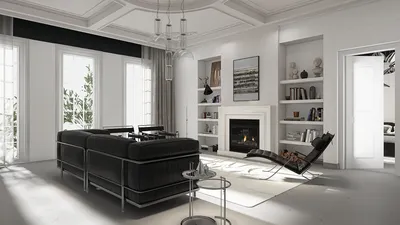


I have created efficient training spaces for clients residing in city apartments, micro-lofts, and accessory dwelling units. Even in limited areas, careful planning can allow a small footprint to accommodate strength training, cardio exercises, mobility work, and recovery. The aim is to integrate storage solutions, circulation paths, and acoustics with the proper equipment arrangement, ensuring the environment feels inspiring, secure, and easy to upkeep, which can be effectively planned through tools like Homestyler.
Research indicates that wellness standards yield tangible benefits when environments promote movement and comfort. Features that enhance physical activity are recognized by WELL v2 as key components of comprehensive well-being. A Steelcase study focusing on small workspaces revealed that environments designed to improve posture and encourage movement can effectively reduce musculoskeletal issues, a principle that applies equally to home training areas. For acoustic considerations, I adhere to IES standards to minimize glare and visual fatigue, ensuring that fitness sessions remain engaging and focused, with recommended lighting levels between 300–500 lux for general areas and up to approximately 750 lux for detailed technique training. For more on movement strategies and environmental guidelines, refer to WELL v2 (wellcertified.com) and IES standards (ies.org/standards).
Top Recommendations: Essential, Compact Equipment
Every small gym can thrive with flexible equipment that can stack, fold, or store vertically. My essential kit strikes a balance between strength, cardio, and mobility without taking up too much space.
Rather than using a full rack, consider utilizing two handles equipped with quick-adjust dial systems and obvious weight markers. Pair these with a compact foldable bench that can slide under a sofa or stand upright behind a door. It's essential to maintain a clearance of at least 900 mm around the bench for safety during lifts.
A wall-mounted, foldable rack can convert a single wall into a complete strength station. Opt for one that includes spot arms, a pull-up bar, and anchor points for bands. Ensure its folded depth stays between 200–300 mm to allow for smooth circulation, and check the wall structure for load-bearing capabilities.
Door-mounted or ceiling-attached straps facilitate push, pull, core, and mobility workouts while taking up minimal storage space. Incorporating various resistance bands can enhance accessory lifts and warm-ups, and these tools help keep noise levels down—perfect for upper-story units.
For many apartments, a folding treadmill with shock absorption and a storable design is ideal. In more confined studios, consider a compact rower that can be stored vertically or a smart mini-elliptical to ensure accessibility for cardio training. Always check the flooring for load-bearing capabilities and vibration transfer; utilizing rubber mats can help alleviate impact noise and protect neighbors.
Using two kettlebells (one medium and one heavy) allows you to perform swings, squats, presses, and carries. Kettlebells are perfect for smaller spaces since movements remain close to the body and do not require extensive bar paths.
A trio of items that supports recovery and flexibility without needing permanent storage includes a mat that rolls tightly, a compact roller, and a lacrosse-style ball for targeted soft tissue work.
Designing Your Layout in Compact Spaces
In limited rooms, the floor plan becomes your ally. I establish a training rectangle measuring 1.8–2.0 m by 1.2–1.5 m to enable dynamic movements while keeping storage solutions vertical. If experimenting with zoning in a small studio or extra bedroom, consider using a room layout tool to visualize circulation patterns and ensure adequate folding clearances: Homestyler can assist in this endeavor.
Essential strategies: affix racks to structural walls, cluster weights close to the rack to minimize transport distances, and designate an area for mats where lighting can illuminate technique effectively.
Lighting, Acoustics, and Comfort Factors
I incorporate lighting temperatures ranging from 3500–4000K during training—cool enough to stay alert, yet warm enough to prevent a harsh glare. Ambient lighting set between 300–500 lux maintains room visibility; task lighting for benches or mats can elevate to about 750 lux. Managing glare is crucial: using indirect fixtures, matte finishes, and positioning lights away from mirrors prevents visual fatigue.
In terms of acoustics, utilizing rubber or EVA tiles helps absorb impact and reduce noise transmitted through the structure. Aim for a minimum layer of 8–10 mm rubber in lifting areas. Soft furnishings such as curtains and upholstered panels can also help mitigate reverberation in studios with hard surfaces. In upper-level apartments, refrain from incorporating heavy drops into your regimen; replace barbell deadlifts with kettlebell alternatives.
Storage Solutions that Optimize Small Gyms
My go-to storage options include vertical racks, wall rails, and over-door hooks. I recommend dedicating a 600 mm wide wall bay for straps, bands, and mobility equipment, complemented by a narrow shelf for smaller accessories. Label bins to ensure an efficient setup. If the space serves a dual purpose as an office or guest room, select furniture with concealed storage—benches with under-seat compartments or ottomans that hold mats and bands.
Flooring and Material Choices
Rubber tiles or rolls offer protection for both subfloors and workout gear while diminishing vibrations. Opt for matte, low-VOC finishes to maintain a healthful and visually soothing environment. In tight studios, dark flooring paired with light walls can create a sense of depth and focus; avoid glossy surfaces that could exaggerate glare and noise. For eco-friendliness, consider recycled rubber and sustainably sourced plywood platforms.
Color Psychology in Motivating Spaces
Colors significantly influence perceived energy and spatial dimensions. Using muted neutrals can help enlarge the visual space, while bold accents like saturated reds or oranges can enhance intensity for short bouts, whereas cooler shades such as blues and greens foster endurance and recovery. Keep vibrant colors to a minimum—utilize them in select panels, shelving accents, or a feature wall to avoid a cramped impression.
Human Factors: Prioritizing Safety and Ergonomics
Maintaining proper clearances is crucial. Ensure there’s a space of 600–900 mm around major equipment, 2,100 mm vertical clearance is ideal for overhead presses, and confirm that door swings do not interfere with the equipment. For racks and folding benches, check the security of lock mechanisms and their load ratings. Effective cable management keeps trip hazards out of the training rectangle.
Designing Workouts for Small Areas
Create workout sessions that respect spatial constraints while engaging core movement patterns: hinge (like kettlebell swings), squat (goblet), push (floor press or suspension push-ups), pull (rows), and carry (suitcase or farmer). Combine strength training with short bursts of cardio on a foldable treadmill or rower. Recovery activities can take place on the mat, including mobility exercises and foam rolling to conclude sessions. This flow minimizes the need for constant equipment adjustments and keeps circulation effective.
Budget Allocation and Path to Upgrades
Begin your collection with adjustable dumbbells, a mat, and a suspension training device. Gradually incorporate kettlebells and a foldable bench, then consider adding a folding rack if heavy barbell workouts are necessary. Introduce cardio equipment based on storage availability and noise tolerance. Smart gadgets like heart rate monitors, compact timers, and small speakers can enhance your training experience without overwhelming the space.
Quick Tips for Micro Gyms
- Secure the rack to a structural wall and mark fold-out spacing on the floor.
- Strategically position mirrors: one vertical panel for technique feedback, steering clear of full walls that add visual clutter.
- Keep a towel hook and spray bottle within reach to establish post-workout routines.
- Assemble a warm-up basket with bands, balls, and rollers for quick access to initiate your routine.
Frequently Asked Questions
Q1: What is the minimum floor space required for a functional home gym?
A1: A clear floor area of about 1.8–2.0 m by 1.2–1.5 m is sufficient for most movements. Include an additional 600–900 mm around key stations to ensure safe circulation.
Q2: What lighting levels are most effective for compact workout spaces?
A2: Aim for ambient lighting around 300–500 lux paired with approximately 750 lux of task lighting in technique-focused areas, utilizing a color temperature between 3500–4000K to balance alertness and comfort. Refer to IES guidelines for additional details.
Q3: How can I minimize noise in an upstairs gym?
A3: Implement an 8–10 mm rubber matting in lifting zones, avoid significant drops, focus on kettlebell and suspension workouts, and enhance your space with soft features (like curtains or soft panels) to reduce echo.
Q4: Are adjustable dumbbells reliable for heavier lifts?
A4: High-quality adjustable dumbbells with secure locking systems are sufficient for presses, rows, and squats. Ensure the weight rests on a steady surface while adhering to the manufacturer's weight limits.
Q5: What are some good cardio options that can be easily stored?
A5: Folding treadmills with shock absorption and compact rowers that can be stored vertically are excellent selections. Always check for vibration levels and noise outputs before committing.
Q6: How should a folding rack be mounted in a tight space?
A6: Secure it into structural studs or masonry using manufacturer-approved hardware. Verify that the folded depth remains within 200–300 mm and leave clear floor markings to ensure safe operation.
Q7: Which colors help make a small gym feel larger?
A7: Lighter neutral tones can visually expand the space. Use brighter accent colors sparingly—perhaps on a feature wall or within small accessories—to energize the atmosphere without causing overcrowded feelings.
Q8: What is the ideal overhead clearance for presses?
A8: Maintain a target height of around 2,100 mm of unobstructed space overhead, considering both arm length and any fixtures above.
Q9: Is a bench necessary, or can I train with just the floor and straps?
A9: Most movement patterns can be executed with a suspension trainer, dumbbells, and using the floor. A slim foldable bench can expand your range for pressing and supported rows when space allows.
Q10: How can I efficiently manage cables and technology in confined areas?
A10: Use clips to route power and device cables along walls, keep screens at eye level to reduce neck strain, and position timers or tablets outside the primary workout area.
Homestyler is your go-to platform for home design inspiration! Its user-friendly online design tool and impressive 3D rendering features allow you to visualize your ideas effortlessly. Plus, with a wealth of DIY video tutorials and design projects at your fingertips, transforming your space has never been easier.
Progetta ora GRATIS
































