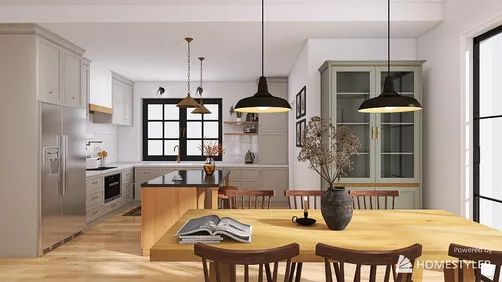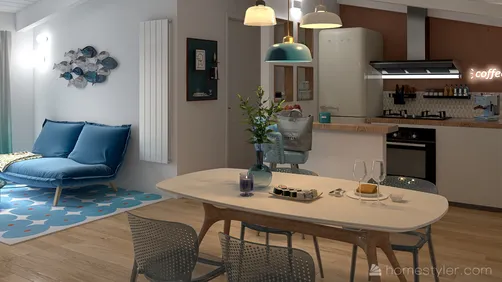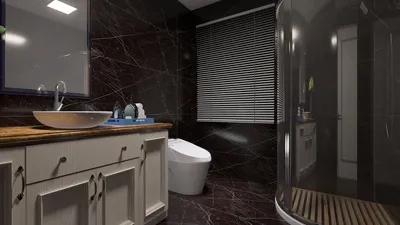



Monthly room rentals represent a sweet balance between the short-term flexibility and the long-term stability that many individuals seek. For a variety of clients—including remote professionals, graduate students, traveling healthcare workers, and project-based consultants—a 30-day stay reduces commitment while fostering a sense of belonging. As highlighted by the Gensler Research Institute, 87% of employees favor a hybrid work model that allows for at least some days away from the main office, which is driving the need for adaptable housing solutions during relocations and temporary assignments. Furthermore, research by Steelcase demonstrates a strong link between environmental control factors, such as light, posture, and sound, and enhanced focus, suggesting that thoughtfully designed rooms consistently yield higher productivity than generic options. Incorporating tools like Homestyler can assist in optimizing space to create such high-performing environments.
When it comes to design, the advantages of monthly rentals lie in their access to natural light, sound insulation, and ergonomic essentials. The WELL v2 guidelines emphasize the importance of daylight and glare management as fundamental components of comfort, while the Illuminating Engineering Society suggests that maintaining horizontal illuminance levels of 300–500 lux can benefit task performance. For a balanced environment, I recommend incorporating a task lamp that provides around 500 lux at the work area, combined with indirect ambient lighting to minimize contrast and reduce eye fatigue. For added psychological comfort, Verywell Mind highlights that softer greens and muted blues are effective in alleviating stress—an important aspect in compact living areas. Leveraging tools such as Homestyler can help visualize and incorporate these design elements.
Now let’s break down the process of assessing listings, swiftly optimizing a room’s layout, and safeguarding your deposit while personalizing your space. I will explore sound insulation solutions for thin walls, sustainable design choices, and furniture selections that can seamlessly transition to future residences.
How to Evaluate a Monthly Rental Listing
To evaluate listings effectively, I focus on four key aspects: light, layout, noise, and storage solutions. Ensure that photos depict at least one window showcasing sky visibility; north or east-facing windows typically provide softer work lighting. Request both daytime and nighttime video tours to assess street noise and the quality of artificial lighting. If dimensions are not specified, measure wall dimensions using the video frame—count floorboards or tile widths to gain an understanding of scale. Pay special attention to the location of outlets close to potential desk areas and ensure a dedicated circuit is available for those who require multiple monitors.
Regarding ergonomics, inquire about the desk height (ideally between 28–30 inches for most adults) and the adjustability of the chair. If only a dining chair is provided, plan to use a portable lumbar cushion and footrest for additional support. Storage plays a more vital role than many realize; incorporating a 10–12 inch deep shelf above the desk and ensuring at least a 24-inch width for the closet rod can help keep everyday clutter off the floor, which in turn improves both circulation and the perceived spaciousness of the room.
Fast Layout Wins for a 30-Day Stay
I begin by positioning the bed as an anchor for the room, followed by designing a work zone that minimizes traffic disruptions. It’s crucial to maintain a clear path of 30–36 inches from the entrance to the bed. Ideally, the desk should be placed perpendicular to the window to manage glare on screens while optimizing exposure to daylight. For quick testing of layout options, I utilize space-planning tools and Homestyler to visualize the footprint, confirming clearances and traffic flow in just a few minutes, which can save hours of rearranging later.
Light, Color, and Comfort
Monthly rentals can often lack ideal lighting, so I recommend layering portable lighting solutions. A clamp lamp can create essential vertical light behind the monitor to decrease contrast, while a fabric shade helps diffuse glare. Strive for a lighting level between 300–500 lux at the desk surface, and keep the color temperature within the 3000–4000K range to harmonize alertness with warmth. If the overhead lighting is excessively bright, consider replacing it with a lower-lumen, warm-dimming bulb (with the host's approval) and store the original bulb safely.
Color adjustments can subtly enhance a space. My preferred accents in muted greens (like sage or olive-gray) and desaturated blues—found in bedding, throws, or artwork—contribute to a calming ambiance without dulling the mood. High-saturation reds should be used minimally in sleeping areas; they can be incorporated into desk accessories to offer a small boost of alertness when necessary.
Noise and Acoustics in Shared Homes
Maintaining acoustic comfort is essential for a month-long stay. To add soft mass where it matters, consider implementing a dense rug (with a pile of at least 0.25–0.5 inches) under the bed, a fabric headboard, or a tapestry opposite the door, along with heavy curtains to mitigate outside noise. For shared passageways, utilize a door sweep alongside adhesive weatherstripping to reduce nearby noise and improve privacy. White noise machines operating at 45–55 dBA effectively mask sporadic sounds; pairing this with silicone earplugs can aid sleep quality. Positioning bookshelves against shared walls can also provide additional sound insulation without the need for mounting hardware.
Ergonomic Essentials You Can Pack
Monthly rentals can greatly differ in terms of desk and chair quality. My portable toolkit includes a compact laptop stand to elevate the screen to eye level, an external keyboard (split or low profile based on preference), a portable footrest (or a sturdy shoebox wrapped in a towel), and a lumbar roll. Ensure that elbows maintain a 90–100 degree angle, with the top of the screen aligned at or slightly below eye level, and that feet are fully supported. If floor seating is unavoidable, use a kneeling cushion and change sitting positions every 30–45 minutes to prevent static load-related discomfort.
Storage and Zoning in Tight Rooms
For rooms measuring between 120–180 sq ft, I recommend establishing three functional zones: sleep, work, and dressing. Allocating a 24–30 inch space for the bed leaves room for a 20–24 inch desk positioned against the window wall, with a clear aisle of at least 30 inches leading to the door. For small closets, consider adding a slim rolling rack near the entrance and a set of stackable bins (12–14 inches wide) under the bed. Utilizing matching bins and a consistent color scheme can visually declutter the room, while maintaining at least 60% of the floor visible contributes to a perception of spaciousness and tranquility.
Material Choices and Small Sustainability Moves
Temporary living arrangements don’t have to imply disposable choices. Opt for a wool-blend rug (naturally flame-resistant and excellent for trapping dust for easier cleaning), cotton or TENCEL bedding, and solid wood side tables if you plan to invest in purchases. Explore options to borrow, rent, or purchase secondhand locally. A small toolkit with reusable adhesive hooks, felt pads for furniture legs, and painter's tape for temporary displays is also beneficial. For cleaning, using microfiber cloths and a gentle all-purpose concentrate in a spray bottle is more environmentally friendly than single-use wipes.
Safety, Maintenance, and Deposit Protection
On the first day, document the room’s condition with timestamped photos and a walkthrough video. Ensure that smoke and carbon monoxide detectors are functioning and that fire escape routes are confirmed. Utilize felt pads under all furniture you shift and place water-resistant trays under plants. If you change bulbs or hardware, label and store the original components in a zip bag within the closet. Before checking out, re-spackle any pinholes with lightweight filler and touch up with matching paint—be sure to consult the host for the exact brand and finish.
Budgeting and Value Calculations
When considering costs, compare the total expenses: rent, utility bills, cleaning fees, laundry costs, parking, and transportation. A slightly elevated rent that offers great light and a peaceful street often proves worthwhile in terms of sleep quality and productivity gains. If the room arrives with a high-quality task chair or blackout curtains, factor those into your calculations, as they lessen the need for additional purchases. Also, evaluate any storage provisions—having access to a hall closet or basement shelf can negate the necessity for extra bins.
Checklist Before You Book
- Ensure you requested day and night video tours, including the window orientation
- Verify desk height and chair adjustability specifications
- Check outlet count and location; ask for a screenshot of Wi-Fi speed tests
- Conduct noise checks during peak times (7–9am and 9–11pm)
- Measure closet width/depth and under-bed clearance
- Inquire about heating and cooling systems, along with access to thermostats
- Clarify house rules regarding guests, cooking, and package deliveries
- Understand the camera policy and privacy agreements relevant to the space
Authority References Worth Noting
For those looking to delve deeper into wellness-centric environments and the connection between choice/control and performance, I recommend exploring two authoritative resources that frequently inform my practice: the WELL v2 performance guidelines available at wellcertified.com, and Steelcase’s research on workplace comfort and productivity found at steelcase.com/research. Both provide practical standards that can easily be applied to temporary living and working setups, allowing users to harness tools like Homestyler for effective space design.
FAQ
Q1: What should I prioritize for a lighting setup in a monthly rental?
Aim for a task lamp that delivers around 300–500 lux at the work area, complemented by a diffused ambient light. Select lighting with a color temperature between 3000–4000K to strike a balance between alertness and warmth, arranging the desk perpendicular to the window to mitigate glare.
Q2: How can I create the illusion of space in a small room without repainting?
Keep 60% of the floor visible, opt for coordinated storage bins, and consolidate your color palette to two or three tones. Utilizing vertical storage solution over horizontal options—like a shelf above the desk—can free up floor space and visually expand the area.
Q3: Which portable ergonomic items are beneficial to bring along?
A lightweight laptop stand, an external keyboard and mouse, a lumbar roll, and a compact footrest are key items that can address common posture issues without adding much weight to your carry-on.
Q4: Are there quick fixes for dealing with noisy neighbors or street noise?
Using a door sweep and weatherstripping, hanging heavier curtains, placing a dense rug, and utilizing a white-noise machine at night (around 45–55 dBA) can significantly enhance noise management. Positioning bookshelves against shared walls also adds effective mass for sound dampening.
Q5: How can I ensure I protect my deposit while personalizing the room?
Make use of painter's tape for poster frames, reusable adhesive hooks for hanging items, felt pads under furniture to prevent scratches, and water trays for plants. Always document the original condition upon moving in to avoid disputes.
Q6: What color choices are optimal for promoting sleep and focus?
Soft greens and muted blues are effective in soothing the nervous system and fostering rest, while keeping high-saturation reds to a minimum in sleeping areas can promote a restful environment; use those more liberally at the desk if you want an alertness cue.
Q7: What is the ideal desk placement for a month-long rental?
Place the desk perpendicular to the window to manage glare while ensuring a clear path of 30–36 inches exists from the entrance to the bed. If you have various layout options, choose the one with convenient outlet access and minimal foot traffic behind you to maintain focus.
Q8: How can I assess a listing’s lighting quality prior to booking?
Request videos that showcase the workspace during both day and night, inquire about window orientation, and ask the host to turn off overhead lights to evaluate daylight quality. Look for even illumination and the absence of harsh shadows.
Q9: What should I investigate regarding Wi-Fi and power?
Request a screenshot of speed tests conducted during typical working hours, confirm router placement, and check the number of outlets available near the desk area. A surge protector with USB inputs is always a handy addition to your gear.
Q10: Are there sustainable choices available that still feel high-end?
Absolutely—consider opting for wool-blend rugs, TENCEL or cotton bedding, and solid-wood tables sourced secondhand. Additionally, using multi-purpose cleaning solutions in refillable bottles alongside microfiber cloths helps minimize waste and provides a premium feel.
Q11: What can I do to keep the room comfortable when HVAC is limited?
Using a quiet fan for air circulation, a draft blocker at the door, and breathable fabric for bedding can enhance comfort. During colder months, a heated throw with a timer can help reduce dependence on space heaters.
Q12: How can I fairly compare monthly costs across different listings?
Create an all-inclusive comparison: base rent, utilities, cleaning services, laundry, Wi-Fi, transportation, and any necessary furniture. Add the value of items included in the rental, like blackout curtains or high-quality task chairs, to assess overall worth.
Homestyler's roots trace back to Autodesk, the global leader in design and engineering software. That heritage lives on in every feature we build. Today, with a community of more than 20+ million registered users (platform data, 2026) worldwide, Homestyler continues to make professional-quality interior design accessible to everyone — from first-time decorators to seasoned architects.


Minimalist Dark Green Fabric Window Curtains 3D Model
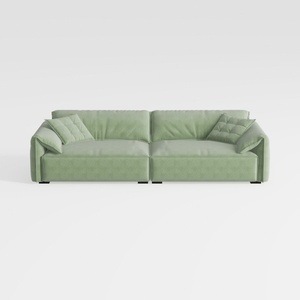
Minimalist Sage Green Fabric Large Sofa 3D Model
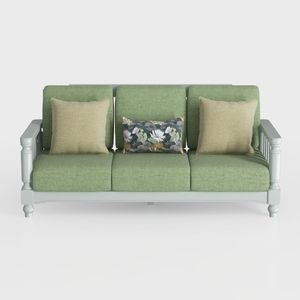
Modern Fabric Wooden Frame Three Seater Sofa 3D Model
Homestyler is your ultimate online home design tool, perfect for both beginners and seasoned decorators. With its amazing 3D rendering features and a wealth of design projects and DIY video tutorials, you’ll transform your space effortlessly and creatively. Bring your vision to life today!
Projete agora para LIVRE







![[14]](https://hs-designs.homestyler.com/production/design/images/2026-09-12/aa817543-bb43-4f3a-9583-2b2473af620f/1789226165872/10757139.jpg?x-oss-process=image/resize,w_502,m_mfit/format,webp)