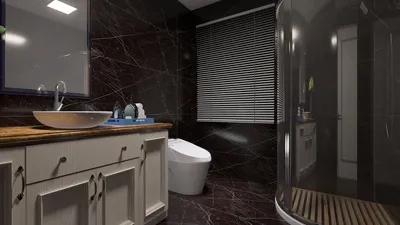


The advent of virtual reality (VR) has transformed various sectors, including the realm of interior design. Within room planning applications, VR functionalities provide both designers and homeowners with an immersive environment to visualize spaces with unparalleled clarity. These innovative tools enable users to navigate through their designs, offering a sense of scale and spatial perspective that conventional 2D layouts simply cannot deliver.
One significant advantage of incorporating VR into room planning tools is the capacity to observe how various design elements interact within a space. For instance, users can modify furniture arrangements, alter color palettes, and assess lighting effects in a dynamic manner. This engaging experience aids in making well-informed decisions, ensuring that the resulting design fulfills the user's expectations and specifications.
In addition, VR technology enhances collaboration between designers and their clients. Stakeholders can simultaneously explore design possibilities, discuss modifications, and reach agreements much more efficiently than through the use of static images and blueprints. This cooperative strategy can result in a more fulfilling design experience and subsequently a more satisfied client.
Maximizing Your Experience with VR in Room Planners
1. Equip Yourself Properly: To enjoy an optimal VR experience, a compatible VR headset and hardware are crucial. Ensure your computer or device meets the required specifications to fully utilize the technology.
2. Get to Know the Software: Take time to discover the functionalities of the room planner, including how to navigate the VR environment and make the most of various design instruments. Utilizing an intuitive platform like Homestyler can significantly streamline this learning process.
3. Don’t Rush: VR can initially feel overwhelming; therefore, it is important to take your time exploring and experimenting with diverse layouts and designs until you become comfortable.
4. Solicit Feedback: Leverage the collaborative tools available to obtain input from peers or clients, ensuring the design reflects a collective vision that meets everyone’s expectations.
Frequently Asked Questions
Q: What advantages does virtual reality provide in interior design? A: VR offers an immersive experience that enhances spatial awareness and fosters improved collaboration, thereby streamlining the design process and making it more enjoyable.
Q: Is specialized equipment necessary to utilize VR functionalities in room planners? A: Yes, a VR headset along with compatible hardware is generally required to access VR features in room planning applications.
Q: Can I make real-time adjustments to my designs while using VR? A: Absolutely, many room planning tools, including Homestyler, permit users to modify designs and instantly view those changes within the VR space.
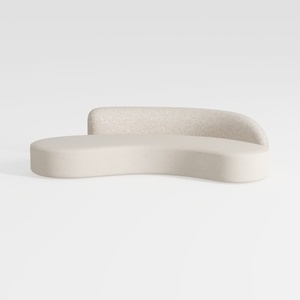
Minimalist Boucle Curved Sofa 3D Model


Modern Black Marble Top Metal Base Nesting Coffee Table 3D Model
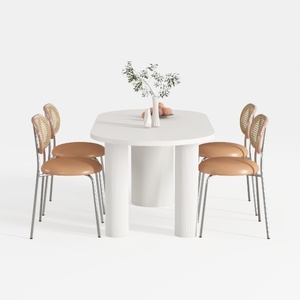
DUOMAY Modern Boucle Dining Chairs Set of 2,
Discover your dream space with Homestyler! This intuitive online home design platform features a robust design tool, stunning 3D renderings, and an array of inspiring DIY video tutorials. Whether you’re a novice or a pro, transforming your ideas into reality has never been easier!
Дизайн сейчас бесплатно
































