

I have designed numerous halls and living spaces where an L-shaped sofa optimally provides both seating and flow. The secret lies not only in selecting the ideal piece but also in how the L-shape enhances circulation, fosters conversation, and aligns harmoniously with lighting and acoustics. Recent studies in both workplace and residential environments reveal a clear connection between interaction-friendly spaces and heightened satisfaction and productivity. According to Gensler’s U.S. Workplace Survey, having diverse settings and thoughtfully designed collaborative areas significantly enhances performance and the overall experience. Furthermore, WELL v2 emphasizes the importance of balanced lighting levels (measured in lux) and managing glare, which directly affects comfort and aids in determining the placement of seating in relation to windows and fixtures.
The efficiency of an L-shaped layout is greatly influenced by lighting and ergonomics. WELL v2 advocates for vertical illuminance that safeguards visual clarity and supports circadian health. Additionally, the Illuminating Engineering Society (IES) recommends a combination of layered lighting and suitable task illumination (typically 300–500 lux for reading spaces). In terms of color, Verywell Mind points out that warm neutrals and greens can alleviate stress and promote relaxation—perfect for a hall serving as both a social area and a calming retreat. These insights inform how I select and position the sofa, lighting, and surfaces in the space.
Selecting the Perfect L-Shape for Your Hall
Start by measuring the longest and shortest walls of your hall, along with door clearances and walkway widths. I aim for at least 900 mm (36 in) of unobstructed circulation around the main route. In narrower halls (under 11 ft wide), a low-profile L with slim arms and legs creates a lighter visual impact. Larger halls can accommodate a more substantial seat and a chaise extension. If your room features a focal point (like a media wall, fireplace, or large window), align the long side of the L parallel to it, with the shorter arm acting as a subtle divider.
Refining Spatial Relationships and Flow
To ensure daily comfort, maintain a distance of 380–450 mm (15–18 in) between the edge of the sofa and the coffee table for legroom, and 600–900 mm (24–36 in) for main pathways. Be mindful that the chaise should not obstruct door swings or narrow pathways. When the hall transitions into dining space, rotate the short leg of the L to delineate zones without needing physical barriers. If you’re experimenting with various orientations, consider using a room layout planner like Homestyler to quickly visualize sightlines and circulation.
Placement Options: Wall-Hugging vs. Floating
Positioning the L against a corner can maximize floor space and enhance seating capacity in smaller halls. Conversely, floating the L (150–250 mm/6–10 in away from the wall) allows for more space for curtains, radiators, and acoustic treatments, in addition to providing room for cable routing. In open floor plans, a floating L can define the living area; include a console or low shelf behind it to create a drop zone and help absorb noise.
Layered Lighting to Complement the L-Shape
Establish three lighting layers: ambient, task, and accent. Aim for 300–500 lux at reading spots on the chaise corner or end seat, using adjustable floor lamps or wall sconces with a warm temperature (2700–3000K) for evening ambiance. Dimmable ceiling washes can provide ambient light, and it’s crucial to arrange fixtures to minimize glare on screens. If the return side of the L faces a window, manage daylight using sheer plus blackout shades for optimal contrast. Achieve a low unified glare rating (UGR) by utilizing diffused lighting and indirect sources whenever feasible.
Utilizing Color Psychology and Upholstery Techniques
Color influences mood: soft greens and muted blues can soothe and visually recede, making them ideal for compact halls; warmer shades like terracotta or camel introduce coziness without overwhelming the space. I prefer specifying micro-textured fabrics or performance chenilles that are sound-absorbent and stain-resistant. When balancing bold wall colors, maintain a neutral sofa while introducing color through cushions and throws in a 60-30-10 ratio (base, secondary, accent).
Focus on Ergonomics and Seating Comfort
A seat height of around 430–460 mm (17–18 in) accommodates most individuals; a depth of 500–550 mm (20–22 in) allows for casual lounging without engulfing shorter users. For the chaise, a length of 1500–1650 mm (59–65 in) is adequate for a full recline. Maintaining a back angle of approximately 100–110 degrees with layered back cushions encourages extended conversations without causing discomfort. For spaces utilized by seniors or children, selecting firmer foam for the front edge can aid in mobility.
Enhancing Acoustic Comfort in Hard Surfaces
While L-shaped seating promotes conversation, hard floors and bare walls can lead to undesirable echoes. To soften the acoustics, place a rug that covers at least the front two-thirds beneath the sofa and coffee table, utilize fabric drapes, and consider a cushioned bench along the return wall. Implementing bookshelves and artwork with acoustic backing can also help; it's best to avoid placing the chaise opposite a large, unadorned window without coverings.
Optimizing Small Halls for Visual Lightness
In smaller spaces, opt for raised legs (120–150 mm/5–6 in) to expose more of the floor, slim arms (60–80 mm), and a low back to maintain open sightlines. Glass or thin metal coffee tables can help reduce visual weight. In narrow halls, position the short leg of the L against the wall with fewer openings to keep the primary pathway clear. If the hall also serves as an entry, consider adding wall hooks and a shallow console near the entrance to prevent bags from cluttering the chaise.
Effective Strategies for Large Halls: Zoning and Symmetry
In more expansive halls, pair the L-shaped sofa with accent chairs across from it, ensuring an overall conversation distance of 2100–2400 mm (7–8 ft). Using a larger rug (at least 200 mm/8 in beyond the edges of each seating piece) ties the elements together visually. Think about placing a mirrored credenza or low bookcase behind the long side of the L to balance the visual weight and help mitigate sound levels.
Aligning Your Media Wall
When it comes to TV viewing, maintain a distance from the screen roughly 1.5–2.5 times its diagonal measurement. For a 55-inch screen, this translates to about 2.1–3.5 m (7–11.5 ft). Adjust the chaise angle so that at least two key seats face the screen comfortably. Including a swivel accent chair can provide flexibility between conversation and viewing modes.
Choosing Sustainable and Durable Materials
Look for sturdy frames made from kiln-dried hardwood or certified engineered wood, along with sinuous springs or webbing, and removable cushion covers. Opt for low-VOC finishes and Greenguard-certified fabrics when possible. Textile options like wool blends and recycled polyester performance materials provide durability alongside a softer feel. For households with pets, tight weaves and solution-dyed fibers are effective in resisting snags and fading from UV exposure.
Managing Lighting Control for Day and Night
Configure evening lighting to emit warm tones at 2700–3000K, using dimmed ambient light combined with focused task lighting on the chaise's reading corner. During the day, prioritize natural light by incorporating sheer curtains to soften the glare. For those who frequently entertain, consider adding wall-wash lighting on artwork behind the long run of the L for improved visual depth and enhancing facial illumination—ideal for better conversational engagement.
Storage and Surface Considerations
Nestable tables can slide under the chaise for adaptable surface options. A lift-top coffee table can function as a laptop surface while maintaining an easy reach (380–450 mm) from the primary seating spot. Slim trays on an ottoman can help organize remotes efficiently. For high-traffic areas, integrating a shoe drawer or baskets beneath a bench at the sofa’s return can streamline organization.
Testing Your Layout Before Making a Purchase
Utilize printed floor plans or tape outlines on the floor; even better, create mock-ups with a room design visualization tool like Homestyler. I often refine designs using layout simulation tools to examine options like chaise position (left vs. right), path width, and media sightlines before finalizing any configuration with clients.
Common Pitfalls and How I Avoid Them
- Oversizing the chaise, which obstructs flow; I ensure clear pathways of 900 mm at a minimum.
- Selecting excessively bulky arms and backs for compact halls; I prefer streamlined profiles with lifted legs.
- Failing to incorporate varied lighting; I ensure a mix of ambient, task, and accent lights with dimming capabilities.
- Neglecting acoustic considerations; I include soft furnishings to reduce echo.
- Overlooking maintenance; I choose removable covers and stain-resistant materials.
Frequently Asked Questions
Q1: How do I determine whether to choose a left-hand or right-hand chaise?
A: Assess the main entrance and how paths lead to other rooms. The chaise should be positioned away from the primary pathway, allowing traffic to flow beside the back of the sofa rather than across the front. If your door is on the left, a right-hand chaise typically keeps the route clear.
Q2: What distance should I allow between the L-shaped sofa and the TV?
A: Aim for a distance of 1.5–2.5 times the diagonal measurement of your screen. For a 55-inch TV, your seating should be positioned approximately 2.1–3.5 m (7–11.5 ft) away, adjusting based on viewing preferences and resolution.
Q3: What lighting setup works best for an L-shaped layout?
A: Incorporate dimmable ceiling lights for ambient illumination alongside a floor lamp at the chaise corner for focused reading light, complemented by wall-wash lighting behind the long side for depth. Strive for 300–500 lux in reading zones with lamps that emit warm light at 2700–3000K.
Q4: How can I create the illusion of space in a small hall with an L-shaped sofa?
A: Opt for slender arms, elevated legs, and light-colored fabrics. Allow the rug to extend slightly beyond the sofa edges and employ glass or slender coffee tables to reduce visual heaviness.
Q5: What seating dimensions are comfortable for a variety of users?
A: A seat height of approximately 430–460 mm (17–18 in) and depth of 500–550 mm (20–22 in) is ideal for a broad range of individuals. Maintaining a back angle of about 100–110 degrees and using layered cushions encourages comfortable prolonged seating.
Q6: How do I manage sound in a space with hard surfaces?
A: Incorporate a rug that covers the zone beneath the sofa and coffee table, along with lined draperies, fabric art pieces, and bookshelves. Avoid positioning seating directly across from large bare glass windows without treatments.
Q7: Which materials are best for durability and easy maintenance?
A: Performance fabrics made from recycled polyester, wool blends, or tightly woven chenilles are resistant to pilling and stains. It's essential to look for low-VOC and third-party certified options for improved indoor air quality.
Q8: Is it feasible to place an L-shaped sofa in a narrow hall with several doors?
A: Absolutely; position the short leg against the wall that’s used the least and maintain a clearance of 900 mm for pathways. You might also consider a shorter return or an open-ended chaise to keep traffic flowing smoothly.
Q9: Should the L-shaped sofa always face the television or fireplace?
A: In multi-functional halls, angle the long side to create a balance between socialization and media viewing. Use a swivel accent chair to link both functions. If there is a prime window view, allow the L-shape to frame it and consider placing the TV on a perpendicular wall.
Q10: How large should a rug be when positioned with an L-shaped sofa?
A: Ideally, the rug should be sufficient to accommodate the front legs of both the sofa and chairs, or extend 200 mm beyond each edge of seating in larger spaces. This approach visually unifies the area and enhances acoustic comfort.
Q11: What colors foster a calm yet inviting atmosphere in a hall?
A: Use a palette of soft greens, muted blues, and warm neutrals to create a tranquil environment. Incorporate layered textures such as bouclé, linen blends, and matte woods for visual interest without heaviness.
Q12: How can I effectively balance day and night lighting?
A: Utilize sheer coverings and reflectance-balanced surfaces for daytime brightness, then dim the lights to 2700–3000K at night, focusing on task lighting in reading areas and ambient glow using wall-washers. Scene controls can simplify changing between these settings.
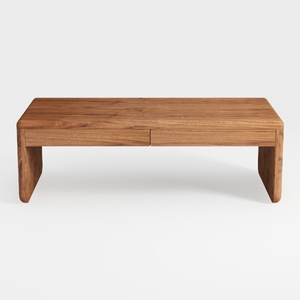
Minimalist Solid Wood Two Drawer Coffee Table 3D Model
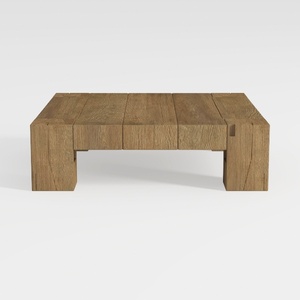
Rustic Solid Oak Wood Coffee Table Minimalist Living Room 3D Model
Looking to transform your space? Homestyler is the ultimate online home design platform! With its easy-to-use design tool, stunning 3D renderings, and informative video tutorials, you can effortlessly explore and create your dream interiors—perfect for DIY enthusiasts and professionals alike!
今すぐ无料でデザイン
































