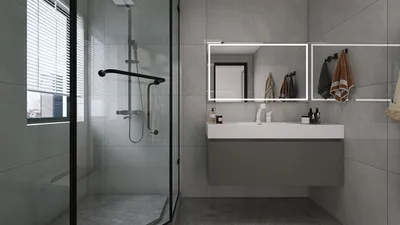


Throughout my experience in creating compact dining spaces, I've successfully incorporated six-seater tables where they initially seemed unfeasible—achieving this by reassessing dimensions, flow, and lighting. A well-designed 6-seater can enhance the functionality of apartments and open-plan spaces when scale, movement pathways, and ergonomics are balanced. It’s noteworthy that the WELL v2 standard recommends lighting temperatures between 3000–4000K for social environments to boost alertness and mood. Additionally, the Illuminating Engineering Society suggests maintaining about 200–300 lux for dining surfaces, which helps to ensure meals are visually pleasant without causing glare. Leveraging a digital tool like Homestyler can help visualize these adjustments effortlessly.
Understanding space standards is essential. Research from Gensler indicates that a circulation zone of 36–42 inches (915–1065 mm) around a table is comfortable for daily activities—this should be your guideline as you design your dining setup. According to Steelcase, posture shifts occur roughly every 8–10 minutes; therefore, it is recommended to select chairs with a height of at least 16–18 inches (410–460 mm) and supportive backs. I also advocate for a minimum table width of 24 inches (610 mm) per person, with a more spacious option of 27–30 inches (685–760 mm) for shared dishes.
Selecting the Perfect Table Shape: Rectangular, Round, or Oval
Rectangular tables work efficiently when positioned against a wall or banquette. For snug dining areas, a table measuring 63–72 inches (160–183 cm) by 31–36 inches (79–91 cm) typically accommodates six with side and end chairs. Round tables enhance conversation flow and comfortably fit into awkward corners; a round table of 48–54 inches (122–137 cm) can seat six, although a 54-inch option offers improved elbow room. Oval tables blend the advantages of round shapes with rectangular efficiency—ideal for spaces where corners might hinder movement. To ensure an ideal setup, utilizing an interior layout planner like Homestyler can simulate the needed turning radius and clear space before finalizing your purchase.
Clearances and Comfort: Key Measurements for Success
Aim for a clearance of 36 inches (91 cm) from the table edge to walls or cabinetry. When one side features a fixed banquette, you can reduce this to 24–30 inches (61–76 cm) because no movement is necessary on that side. For chairs, allow for a push-back space of 18–24 inches (46–61 cm) in addition to the seated footprint. Comfort improves significantly when providing each diner with 22–24 inches (56–61 cm) of space along the edge. If frequently serving communal dishes, maintain at least 18 inches (46 cm) of depth clear of decorative items in front of each guest.
Dining Table Heights, Bases, and Legroom Considerations
Standard dining tables typically range from 28–30 inches (71–76 cm) in height. Choose chairs whose arms can slide beneath the table apron—ensuring that the clearance underneath is at least 25–26 inches (63–66 cm). Pedestal and trestle bases allow for more legroom, which is particularly vital in smaller areas. While four-legged tables are adequate, it’s crucial that corner legs do not obstruct end seating. Implementing soft bullnose or chamfered edges helps minimize bumps in tight spaces while softening the table's visual presence.
Choosing Materials and Finishes: Importance of Lightness, Durability, and Sound Management
In smaller spaces, selecting the right materials plays a vital role in both maintenance and sound dampening. Solid wood or high-pressure laminate tops with a matte finish effectively minimize glare from overhead lighting. Rounded wood edges offer a warmer feel—providing subtle ergonomic advantages. Additionally, utilizing felt chair glides and a low-pile rug with robust underlay can significantly dampen noise levels by absorbing unwanted sound reflections. If anticipating frequent use, consider resilient surfaces and water-based finishes that can withstand heat and wear over time.
Illuminating Spaces for Culinary Enjoyment and Ambiance
Position a single pendant or linear fixture 28–34 inches (71–86 cm) above the dining table. Combine ambient lighting with a dimmable driver: a level of 200–300 lux on the table is ideal for dining, while 300–500 lux suits activities like homework or board games. Warm to neutral white lighting (3000–3500K) enhances both skin tones and food presentation. To avoid unsightly reflections, it’s best to stay away from bare bulbs within glossy fixtures. Opting for a fabric or micro-prismatic diffuser can help maintain a gentle luminance. For best practices, refer to the WELL Building Standard's lighting guidelines and IES task lighting recommendations available on platforms like wellcertified.com and ies.org/standards.
Understanding Color Psychology in Compact Dining Spaces
Colors can significantly influence behavior around the dining table. Opting for soft neutrals and light woods can lessen visual boundaries and create the illusion of a larger space. Gentle greens promote calmness during social interactions; meanwhile, muted blues might slightly suppress appetite, perfect for leisurely discussions over meals. Should you desire a dramatic touch, consider featuring it in a single accent—like a rich terracotta wall—while keeping the table surface lighter, which aids in maintaining space perception and enhancing plate presentation.
Incorporating Banquettes, Benches, and Flexible Seating Options
In smaller dining areas, a built-in banquette along one wall can recover 8–12 inches (20–30 cm) of clearance compared to traditional chairs. The ideal seat depth ranges from 16–18 inches (41–46 cm), with a slight backward angle of 10–12 degrees to promote comfortable meals that last. Positioning bench seating along one side accommodates extra guests for occasional larger gatherings. Adding storage beneath banquettes for linens and seasonal servingware helps keep the area decluttered.
Achieving Visual Balance and Proportions in Dining Spaces
Scale your dining table to approximately two-thirds the length of the dining area. In open-concept designs, centering the table beneath a ceiling fixture or pendant helps anchor it within the space. Align the table's long axis with the longest sightline to create a visual extension of the room. Combining slender, open-backed chairs with bulkier tables—or the opposite—can prevent a feeling of visual overload. Introducing a rhythm of vertical lines, such as chair backs or drapery pleats, fosters cohesion in compact environments.
Innovative Storage Solutions, Flow, and Usability for Everyday Life
Consider placing a narrow sideboard (12–16 inches deep) on the less-traveled side of the dining area for items like pitchers, breadboards, or lamps. If space allows, wall-mounted shelves or floating consoles can enhance storage in tighter spaces. For routines involving homework at the dining table, installing a plug-in floor outlet or cord-managed grommet nearby can keep cords out of walkways. Maintaining a clear tabletop of decor to just a single low piece, while relocating bulkier vases to the sideboard, can create a sense of order.
Emerging Trends for 2024–2025: Compact, Inviting, and Versatile Designs
Current observations reveal a rise in popularity for compact oval tables featuring light oak finishes, matte surfaces, and ultra-thin tops on sculptural bases. Incorporating mixed seating—four chairs paired with a bench—offers flexibility for accommodating guests. Low-sheen, textured finishes appear more luxurious when lit with warm dim-to-warm LEDs. Subtle biophilic touches, such as leafy centerpieces or botanical artworks, can make tight dining areas feel more expansive and rejuvenating, with tools like Homestyler aiding in visualization.
Quickly Layout Your 6-Seater Dining Area
Utilize painter’s tape to map out the dining zone: first outline the table, then add a 36-inch buffer around it. Bring in your current chairs and evaluate access to doors and storage areas. In open-concept designs, position the table such that chair movement doesn’t interfere with kitchen passages (maintaining at least 42 inches behind active areas). Once you’re satisfied with the flow, validate proportions and lighting placements using a room design visualization tool or layout simulation tool, such as Homestyler.
Mini Specifications Guide for Small 6-Seater Tables
- Rectangular: Dimensions of 63–72 L x 31–36 W x 29–30 H (or 160–183 x 79–91 x 74–76 cm)
- Round: 48–54 inch diameter (122–137 cm) is suitable for six; a pedestal base is preferred.
- Oval: Dimensions of 63–72 L x 36–40 W (160–183 x 91–102 cm) with gentle corners.
- Chair seat heights should range from 16–18 inches (41–46 cm); seat width around 17–20 inches (43–51 cm).
- Clearance of 36 inches (91 cm) should surround the table; pendant lighting should hang at 28–34 inches (71–86 cm) from the table.
Frequently Asked Questions
For rectangular tables, a size of 63 x 31 inches works well with compact chairs; comfort levels improve at dimensions of 66–72 x 34–36 inches. A diameter of 54 inches is ideal for seating six at round tables.
Target for 36 inches from the table edge to walls or nearby furniture. If one side is along a banquette, reducing this to 24–30 inches is feasible since no push-back is necessary.
Among tight spaces, oval tables offer the most flexibility: gaining end seating without sharp corners intruding on traffic lanes. Rectangular tables are effective along walls while round tables excel in fostering conversation and fitting odd corners.
For meals, ensure 200–300 lux is present on the table, while tasks might require 300–500 lux. Using 3000–3500K LEDs with a dimmer and a diffused pendant placed 28–34 inches above the table can help reduce glare effectively.
Provide each diner with 22–24 inches of space along the table edge for comfort. When serving shared dishes, ensure at least 18 inches of depth remains clear for each individual.
Certainly, banquet seating is advantageous when space is constrained. It gains 8–12 inches of clearance and accommodates varying guest counts. Maintain a seat depth of 16–18 inches and consider lumbar support cushions.
To minimize noise, use felt chair glides, low-pile rugs with proper underlay, and matte finishes for tables. Upholstered chairs and fabric-shaded pendants can also reduce echo and clatter.
Align the dining table with the room's longest axis, distancing it from kitchen workspaces, and ensuring a minimum of 42 inches behind active cooking zones. If circulation is tight, opt for a console rather than a bulky sideboard.
Seek armless chairs with a seat height of 16–18 inches and width around 17–20 inches. Open back designs contribute to a lighter visual appearance and easily slide under the table.
Definitely. Opt for either a 48–54 inch round table or a compact 63 x 36 inch rectangle. Center it beneath a singular pendant and utilize slim consoles or wall shelves for added storage.
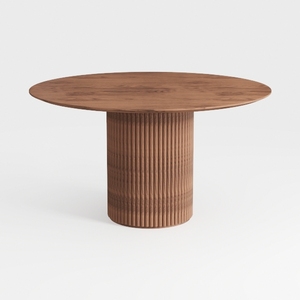
43.3''-59'' Extendable Round Dining Table for 4, M
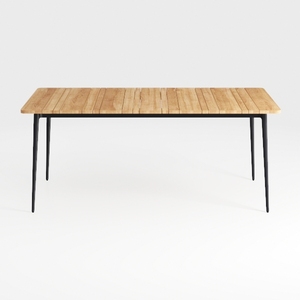
Branch Daily Desk - Functional at Home Office Desk
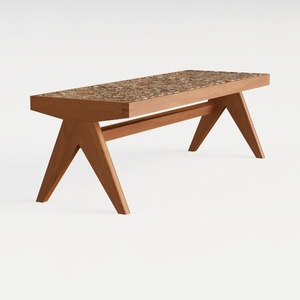
Solid Wood Rattan Bench
Homestyler is your go-to online home design platform! With its user-friendly design tool, stunning 3D renderings, and a wealth of DIY video tutorials, you can easily transform your home ideas into reality. Explore endless design projects and unleash your creativity today!
Zaprojektuj teraz za darmo
































