


I've reimagined and redesigned numerous 12x12 rooms within various apartment, townhome, and compact house settings. The key to working within a 144-square-foot area is meticulous planning: every inch must serve a purpose, and all surfaces should contribute either functionally, aesthetically, or both. When these principles are harmonized, a small space can feel much larger than its actual dimensions, especially when using tools like Homestyler for effective visualizations and layouts.
The significance of scale and evidence cannot be overstated. Research from Steelcase reveals that clear zoning and visual markers significantly lower cognitive load and bolster task performance, highlighting how an organized space promotes comfort and productivity in areas where space is at a premium. Furthermore, WELL v2 guidelines suggest maintaining task lighting levels between 300–500 lux within focus zones, which can easily translate to living spaces and bedrooms—layering ambient with task lighting enhances a sense of spaciousness and reduces glare. These insights guide my arrangements of seating groups, desks, and reading nooks, ensuring a soothing environment rather than a restrictive one. When considering color, Verywell Mind explains that softer and cooler shades (like light blue and muted green) foster a calming and expansive atmosphere—just what is often necessary in a 12x12 room.
The notion of proportion acts as a core driving force in design. While symmetry may aid in a square room, I typically introduce a pronounced axis—whether it's a feature wall or a directional rug—to direct movement and create an illusion of length. Consider a 60/40 distribution of space: 60% dedicated to primary activities (like seating, sleeping, or working), with the remaining 40% allocated to movement, storage, and secondary activities. This balance ensures an open flow while avoiding the ‘furniture island’ effect that diminishes visual space.
Establish the Envelope First
Before introducing furniture, the walls, floors, and ceiling must set the foundation. In a 12x12 room, a light-reflective paint with an LRV (Light Reflectance Value) exceeding 70 can enhance ambient lighting, while a satin finish on the ceiling combined with soft perimeter lighting visually raises height. Heavy crown molding or oversized beams should be avoided unless the design intention favors character over spaciousness. For flooring, running planks parallel to the longest sightline enhances depth perception, guiding the eye naturally through the space.
Layered Lighting That Expands the Space
To prevent a flat or uneven lighting effect, I incorporate three distinct layers: ambient (dimmable ceiling or cove lights), task (sconces or adjustable lamps near seating or beds), and accent (picture lights or shelf-mounted LEDs). WELL v2 emphasizes the importance of glare control and balanced illumination, reinforcing the necessity of indirect ambient lighting. In the evening, aim for a warm light temperature of 2700–3000K to create relaxation, while 3500–4000K is ideal for focused tasks or reading, providing clarity without feeling sterile. Position task lights slightly out of central sightlines to minimize contrast and eye strain.
Furniture: Lean Designs, Maximum Comfort
In a 12x12 living room, start with a compact sofa (about 72–78 inches) and opt for a single lounge chair instead of two. Choose streamlined arm profiles, maintain visible legs, and ensure consistent seat heights for visual harmony. Ottomans can be more functional than coffee tables when you desire versatility; a pair of nesting side tables works well as movable surfaces. If dealing with bedrooms, a queen bed can fit if vertical storage is employed and circulation space around the bed remains between 30–36 inches; otherwise, a full-size bed paired with an upholstered bench can provide more breathing room and balanced proportions.
Intelligent Zoning for Versatile Use
Typically, I delineate three micro-zones in a 12x12 space: one primary function area (whether for seating or a bed), a secondary space (like for reading or work), and an auxiliary utility band (for storage and circulation). A textured area rug defines the primary zone, while a floor lamp or a wall-mounted desk anchors the secondary zone. If experimenting with arrangement, utilizing a room layout planner, such as Homestyler, can assist in visualizing clearances, traffic patterns, and sightlines before making any commitments to purchases:
interior layout planner
Storage Solutions That Conceal Clutter
Utilizing shallow built-ins (10–12 inches deep) can effectively hide clutter without sacrificing valuable floor space. Full-height cabinets featuring a mix of closed storage below and open shelving above, with open shelves styled about 25–30% can reduce visual chaos. When incorporating mirrors, opt for a substantial single piece across from the main light source instead of multiple smaller mirrors, which can disrupt visual flow.
Color and Material Psychology
Soft, cool shades create an expansive feel, while vivid, warm tones invigorate a space. In bedrooms and smaller living areas, I prefer using muted blues, greens, or warm grays on walls, introducing warmth through wood, textiles, and metallic accents. Maintain tranquility on large surfaces while concentrating bolder colors in artwork, cushions, and a selected accent chair. Employing natural materials—like oak, ash, linen, and wool—can enhance tactile richness without overwhelming the senses. Matte finishes on expansive surfaces help prevent glare, reserving glossy finishes for smaller accents to catch light and add depth.
Acoustic Comfort in Smaller Spaces
Hard surfaces can reflect sound. To combat this, layer a thick rug, include upholstered seating, and consider fabric Roman shades to diminish reflection. Bookshelves filled with various contents can serve as sound diffusers. In smaller offices, a felt panel above the desk and a textile-covered pinboard behind the chair can help muffle conversations, especially in corners prone to low-frequency buildup.
Flow and Spatial Dynamics
It's essential to maintain a clear passage of 30–36 inches from the door to the primary seating or bed. Grouping furniture into clusters rather than strictly along the perimeter maximizes the perceived size, as a floating arrangement with a rug enhances the space by allowing the eye to see around it. Repeating forms—like rounded corners on tables echoing a lamp's curves—provides a cohesive rhythm. Subtly breaking the ceiling plane with perimeter lighting or two asymmetrical pendants adds to the elevation of the space.
Natural Light, Privacy, and Glare Control
If one side of the room receives abundant natural light, balancing the look with a lighter wall color and an accent lamp on the opposite side can help equalize luminosity. Use translucent shades to preserve privacy while allowing light to stream in. Avoid placing glossy artwork directly opposite bright sunlight to prevent glare. Positioning TVs perpendicular to windows can also minimize reflections.
Creating a Workspace in a 12x12 Room
A wall-mounted desk that is 24 inches deep, with built-in cable management, provides adequate space for a laptop and task lamp. Steelcase research on posture and focus supports the idea of alternating between sitting and standing, making a sit-stand converter on a credenza a practical solution in tight spaces. It’s important to locate the work zone away from the main relaxation area; keeping distinct intents helps reduce mental clutter.
Patterns, Scale, and Visual Harmony
Large-scale patterns tend to read more calm and cohesive than numerous small ones. An oversized piece of artwork or a wide-striped rug can elongate a room, while multiple smaller pieces may create visual distraction. Strive for a 70/30 ratio: 70% quiet surfaces to 30% expressive accents. If ceiling height is limited, incorporating vertical elements—like tall drapery panels extending near the ceiling—will draw the eye upward, enhancing the feeling of space.
12x12 Living Room Configurations
Two effective setups include: 1) A sofa centered on a focal wall with a lounge chair at a right angle, replacing a coffee table with an ottoman, and media positioned on the opposite wall; 2) A loveseat placed atop a rug, flanked by two small swivel chairs, and a round table in the middle, with wall shelves adjacent to the TV. To efficiently simulate multiple layouts, a room design visualization tool like Homestyler can simplify maneuvers and allow for different dimensions and clearances:
room design visualization tool
12x12 Bedroom Arrangements
Position the bed against the longest uninterrupted wall and complement it with narrow nightstands (14–18 inches wide) on either side, along with wall sconces to preserve tabletop space. A low dresser across from the bed can double as a media console. If storage is limited, consider a tall wardrobe placed in a corner while keeping the center sightline clear. Utilize under-bed storage or lift-up storage mechanisms while ensuring at least 2 feet of clearance at the foot of the bed for ease of movement.
Tiered Lighting Scenes
Establish three lighting scenes: Day (ambient light set low with dominance from daylight), Work/Read (task lighting at 3500–4000K, with ambient lighting at 400-500 lux on surfaces following IES recommendations), and Evening (warm 2700K, maintaining low contrasts). Dimmers on all lighting layers allow for adjustments; this is a quick way to enhance perceived size and ambiance without rearranging a single piece of furniture.
Sustainability and Durability Considerations
Compact areas tend to experience more wear and tear. Opt for robust textiles (with a Martindale rating of ≥ 30,000 for upholstery), solid wood or high-grade veneer for furniture, along with low-VOC finishes. Selecting modular furniture increases longevity; rather than discarding items, look for ways to replace or reconfigure. Make maintenance easier with removable cushion covers, washable rugs, and durable paint for high-use areas.
Pitfalls to Avoid
Avoid placing oversized sectional sofas across the main entry; using too many small tables; heavy draperies lacking sufficient stacking space; relying solely on overhead lighting without incorporating task lights; opting for dark accent walls facing windows that cause glare; using floating rugs that are too small (ensure the front legs of seating rest on the rug); and neglecting vertical storage solutions.
Quick Resolutions
Reposition seating off the perimeter; introduce a significant art piece; add ambient lighting along the edges; replace bulky coffee tables with ottomans; mount dual swing-arm lamps; lightly style shelves; select one dominant color while keeping the rest neutral. Small spaces reward simplicity and a clear design narrative.
Frequently Asked Questions
Q1: Which paint colors can make a 12x12 room appear larger?
A palette featuring soft, cool tones—such as light blue, muted green, or warm gray with a high LRV—can enhance perceptions of space. Lighter shades on ceilings can create an illusion of greater height.
Q2: How bright should the lighting be in a compact living area?
Layer ambient lighting around 150–300 lux, with task lighting at 300–500 lux for reading, and accent lights for depth. Dimmers are invaluable for scene adjustments and glare reduction.
Q3: What is the best furniture scale for small rooms?
Opt for compact sofas (72–78 inches), sleek arm designs, visible legs, and a single lounge chair. Use nesting side tables and ottomans for greater flexibility.
Q4: How can I integrate a workspace within a 12x12 layout?
A wall-mounted desk measuring 24 inches in depth and paired with a task light should suffice. Position it away from the primary relaxation zone to minimize visual distractions.
Q5: What are effective strategies for managing storage in a compact area?
Implement 10–12 inch deep built-ins, full-height cabinets featuring a blend of open and closed sections, along with under-bed drawer systems. Use open shelves sparingly to avoid clutter.
Q6: What is the ideal rug size for a small seating arrangement?
An 8x10 rug typically complements a sofa and chair setup; ensure that the front legs of seating rest on the rug to help ground the space and enhance its size.
Q7: How can I mitigate noise within a compact room?
Incorporate textiles such as plush rugs, upholstered chairs, fabric shades, and a felt panel situated near a desk area. Bookshelves filled with diverse content can act as effective sound diffusers.
Q8: Are accent walls advisable for 12x12 rooms?
Use accent walls judiciously. Favor a single large artwork or textured panel rather than a dark coat of paint opposite windows which could exacerbate glare and compress space perception.
Q9: What window treatments function best in these settings?
Opt for translucent shades that maintain privacy while allowing daylight to filter in. Hang drapes high to elongate the appearance of the ceilings and ensure they stack back without obstructing windows.
Q10: How can I avoid a cramped appearance in my layout?
Ensure at least 30–36 inches of clear walkway, float furniture using area rugs, and align the main furniture towards a focal wall. Experiment with configurations using an interior layout planner like Homestyler prior to making purchases.
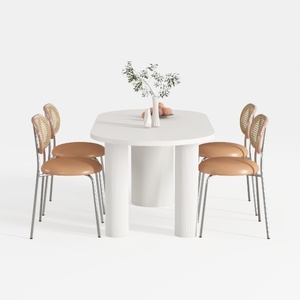
DUOMAY Modern Boucle Dining Chairs Set of 2,

Rustic Rectangular Coffee Table, 44.8 Inch
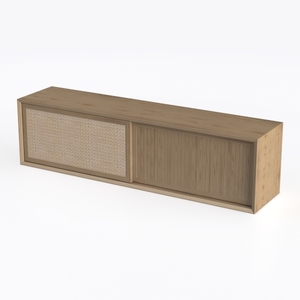
JOZZBY Set of 3 Storage Cabinet, Sideboard Buffet
Homestyler is your go-to online home design platform! With its easy-to-use design tool, stunning 3D renderings, and a wealth of design projects and video tutorials, you can create your dream space effortlessly. Start your home transformation today!
立即免费设计
































