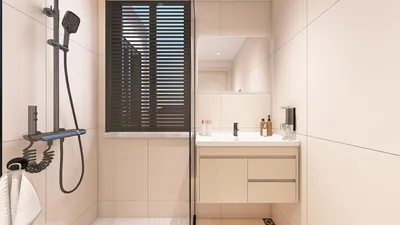


Closet-focused spaces—commonly referred to as wardrobes, almirahs, or storage walls—have the potential to either free up room or take over it entirely. When designed effectively, they can simplify daily routines, enhance visual tranquility, and improve airflow. In my design projects, I emphasize the significance of functional zoning, accurate measurements, and lighting that illuminates your belongings clearly. Research from Steelcase indicates that visual clarity and a reduced cognitive load boost task efficiency, proving that an organized space can notably decrease the time spent making decisions during daily tasks. Additionally, WELL v2 highlights the importance of proper lighting levels and glare management to enhance task performance, influencing how we illuminate storage and dressing areas for optimal comfort.
Lighting serves a practical purpose in wardrobe areas; it’s not merely decorative. I adhere to the recommended practices set by IES for vertical illumination and task lighting, ensuring a light intensity of 300–500 lux within the wardrobe and at dressing mirrors to ensure accurate color reflection and outfit assessment. The Light concept from WELL v2 further promotes the importance of circadian-friendly lighting and glare control, particularly in spaces with glossy finishes and mirrored doors that may cause reflections. Steelcase's insights into spatial ergonomics show that easy access to clothing and tools can minimize small delays that accumulate throughout the day. These established standards guide choices that ensure both aesthetic and functional harmony in these spaces. Learn more about IES standards at ies.org/standards and WELL v2 at wellcertified.com.
Establishing the Flow: Layout Before Aesthetics
Begin by assessing the circulation path within the room. I maintain a clear walkway of 900–1100 mm in front of wardrobe sections to allow easy door access and shared use. For wardrobes with sliding doors, an 800–900 mm gap is effective; for those with hinged doors, aim for 1000–1100 mm to avoid pinch points. When exploring different layouts—L-shape, parallel runs, or alcove options—using a room layout tool can help confirm reachability, door operation, and dressing space. Quick adjustments with layout simulation tools can save on costly alterations after installation. Consider an interior layout planner to visualize hanging areas, drawer configurations, and mirror placements with precise dimensions.
Optimize Your Storage Variety
Clients often overlook the need for long-hang space. I strive for a balanced distribution: approximately 20–30% designated for long-hang items (such as dresses and coats), 40–50% for mid/short-hang options (like shirts and blazers), and 20–30% allocated to drawers and shelves for knits and accessories. Implementing double-hang sections with rail heights set around 1000–1050 mm helps maximize vertical space in rooms with ceiling heights under 2.7 m. Ergonomically positioned pull-out trays for belts and jewelry at 900–1100 mm off the ground minimize bending. For seasonal storage, high shelves ranging from 2000–2300 mm are perfect for holding vacuum bags and luggage, accessible via a slim folding step stored in a 150 mm toe-kick cavity.
Door Options: Hinged, Sliding, or Open
Hinged doors allow full accessibility and enhanced internal lighting but require room to swing open; they also accommodate accessories like mirrors and ironing stations. Sliding doors are space-efficient but necessitate precise alignment; I recommend specifying soft-close tracks with anti-derail features and a 25–30 mm overlap to limit dust entry and light spill. Open systems feel expansive and streamline morning routines but require stricter visual organization. A hybrid approach—keeping bulk items closed while daily wear remains visible—balances order with efficiency.
Functional Lighting Beyond Aesthetic Appeal
Wardrobe interiors demand multiple layers of lighting. I utilize: (1) vertical strip LEDs (CRI ≥90, 3000–3500 K) installed slightly in front of the hanging rail to minimize shadowing; (2) under-shelf task lights for drawers; (3) ambient ceiling lighting with a wide beam spread (UGR-optimized) to reduce glare from mirror doors. Practical motion sensors should be set with delays of 90–120 seconds to prevent 'start-stop' fatigue. If makeup application or color matching is part of your routine, target 500 lux at the mirror area with a consistent color temperature to avoid discrepancies in color perception.
The Psychology of Color and Visual Serenity
Soft, mid-tone interiors alleviate visual distraction and combat decision fatigue. Employing neutral tones for the framework—like warm gray, sand, and light taupe—creates contrast without overwhelming the clothing. Color psychology research links vivid reds with heightened stimulation and soft blues with focused calmness; in dressing areas, such calmness facilitates quicker decision-making with fewer doubts. I prefer bright colors for accessories or drawer insides instead of large door surfaces to maintain a tranquil environment.
Material Selections and Acoustic Comfort
Select durable laminates or matte finishes for doors, which help minimize fingerprints and glare. For sound control, felt-lined drawers and soft-close mechanisms ensure quiet mornings, a key feature for compact homes with shared walls. If sustainability is a priority, choose low-VOC materials and FSC-certified plywood. I frequently use aluminum frames with recycled elements for sliding doors, as their slender profiles create a perception of more space in small rooms.
Ergonomics: Heights, Handles, and Accessibility
Adjust hanging rail heights to 1600–1700 mm for short-hang items and 1750–1800 mm for long-hang items, tailoring to the user’s height. Store everyday use drawers between 700–1100 mm above the finished floor. Handle dimensions are important: 128–160 mm centers accommodate most grips; recessed pulls are ideal for narrow spaces but should have rounded edges to avoid knuckle injuries. Employ full-extension runners in drawers for easy visibility of contents, reducing the time spent rummaging and maintaining the organization of folded items.
Mirror Arrangement and Perception of Space
Positioning a full-height mirror opposite or near a window can enhance natural light but be cautious of backlighting that can create silhouettes. Task mirrors should be placed perpendicular to strong light sources, or you can use edge-lit mirrors for accurate texture and color visibility. Mirrored door panels can create a sense of depth but should be segmented into vertical sections to avoid overwhelming glare and to enhance safety.
Functional Accessories That Simplify Life
Pull-down wardrobe lifts enhance usability for high shelves in compact areas. Incorporating trouser racks, tie holders, and modular dividers can help maintain organization. A compact 120–200 mm valet niche near the entry is a game-changer for items like keys and bags—keeping surfaces free from clutter. If footwear takes priority, a slanted shelf measuring 300–350 mm deep with rear stops can efficiently store more pairs with less depth than traditional flat shelves.
Ventilation and Maintenance for Longevity
Enclosed wardrobes can benefit from discreet ventilation, such as louvered toe kicks or micro-vents located at the top and bottom to encourage airflow and prevent mustiness. Select interior materials that resist snagging and are easy to wipe clean. Incorporating a concealed cable channel for a garment steamer keeps cords hidden and promotes regular fabric care, ultimately extending the lifecycle of clothing and minimizing replacements.
Smart Solutions for Small Spaces
In constrained layouts, I opt for floor-to-ceiling storage with a depth of 450–600 mm. Corner spaces can be creatively utilized with diagonal or carousel hangers. When windows limit wall space, consider floating a shallow wardrobe with sliding glass doors to maximize natural light. In studio apartments, a wardrobe wall can serve as a room divider; integrating translucent panels allows light flow while maintaining privacy.
Mapping Daily Routines: Dress, Prep, Leave
Outline the sequence: undergarments → base layers → outerwear → accessories → shoes → mirror check → exit. Arrange these areas in correlation with the circulation path. A space that supports natural body movement makes routines feel shorter and less burdensome. If your plan is not set in stone, prototype it using an interior layout planner to adjust measurements and door types prior to executing the details: interior layout planner.
Frequently Asked Questions
For comfortable access with hinged doors, plan for 1000–1100 mm in front; 800–900 mm can work for sliding doors to ensure easy passage and usability, even for two people.
Strive for a lighting level of 300–500 lux at shelving and hanging areas, using a CRI of ≥90 and a color temperature of 3000–3500 K. Ensure approximately 500 lux at mirrors for precise color matching.
Yes, given appropriate quality hardware. Be sure to specify soft-close mechanisms, anti-derail tracks, and secure carcass alignment. Opt for aluminum framing to maintain structural integrity over time.
Utilizing matte finishes, incorporating vertical design in door panels, and maintaining a light-neutral color scheme are effective. Position mirrors within narrow bays and ensure a clear circulation path of at least 900 mm.
As a basic guideline, aim for 20–30% allocated for long-hang items, 40–50% for short/mid-hang, and 20–30% for drawers and shelves. Tailor these percentages to fit your specific collection—coats versus knits versus accessories.
To minimize disruptions, use soft-close fittings, lined drawers, and proper door seals. Fabric wall panels or a wool area rug can soundproof and decrease early-morning noise transfer.
Soft neutral tones (warm gray, taupe, light beige) within the wardrobe space effectively diminish visual distraction. Opt for vivid colors in smaller accents or drawer interiors to prevent overstimulation.
For everyday drawers, place them between 700–1100 mm above the finished floor. Short-hang rails should be set around 1600–1700 mm, while long-hang rails should be around 1750–1800 mm. Store frequently accessed items within the 900–1200 mm reach zone for convenience.
Position mirrors in a way that they are perpendicular to natural light sources or employ edge-lit mirrors for accurate lighting. Avoid aligning mirrors directly across from strong windows; utilize controlled ambient light to manage glare.
Absolutely. Implementing a double-sided wardrobe with translucent panels can allow for shared daylight. Keep the division dimensions under 450–600 mm in depth to optimize usable floor space.
Use materials such as matte laminates or lacquer, aluminum-framed sliding doors, and FSC-certified plywood. Select low-VOC finishes to enhance indoor air quality.
Store pairs on slanted shelves measuring 300–350 mm deep, complemented by under-shelf LED lighting and labeled dividers to maintain visibility and keep dust at bay.



Looking to transform your home with ease? Homestyler is your go-to online design platform! With its user-friendly design tool, stunning 3D renderings, and inspiring DIY video tutorials, you can easily create, visualize, and execute your dream space. Start designing today!
Дизайн сейчас бесплатно
































