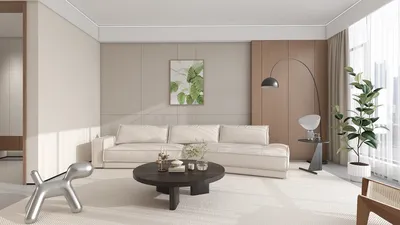


I have created compact meditation spaces tailored for urban apartments, wellness retreats, and community areas, where maximizing every square inch is crucial. The aim is not to replicate the grandeur of large temples, but rather to establish a serene intensity through thoughtful proportions, lighting, and material choices, much like the design philosophy utilized in Homestyler.
The importance of scale cannot be understated. Research from Steelcase indicates that control over the environment—particularly regarding lighting and sound—has a significant relationship with cognitive restoration and concentration, which are vital for meditation rooms. WELL v2 guidelines advocate for ambient noise levels under 40 dBA in quiet zones and emphasize the need for glare-free lighting to enhance visual comfort. These standards guide my design for intimate meditation settings.
Lighting plays a crucial role in setting the mood. Following IES recommendations, achieving an ambient light level of about 100 to 150 lux is ideal for calming activities, avoiding visual strain, while a warmer color temperature of 2700 to 3000K helps lower arousal and encourages relaxation. I frequently incorporate low, diffuse light sources around the perimeter along with a dimmable fixture in the center to strike a balance between presence and gentleness.
Focus on Spatial Ratios Rather Than Just Area
Compact meditation rooms benefit from a clear spatial hierarchy: an axis of focus, a quiet boundary, and a straightforward circulation path. I strive for a 2:3 ratio between the primary meditation area and the surrounding supportive zones like storage or a tea corner. This ratio maintains a visually balanced space without feeling constrictive. For testing your seating arrangements—whether rows, semicircles, or staggered mats—using a lightweight room layout tool such as Homestyler can effectively simulate sightlines and spacing prior to final decisions.
Illumination Environment: Lux Levels, Color Temperature, and Glare Management
Surface reflectance serves as my initial tool for design. Choosing matte finishes for walls and ceilings (with a Light Reflectance Value of 60–70) diminishes harsh highlights, while a darker floor (LRV 20–30) grounds the space. I avoid using bare downlights; instead, I prefer indirect lighting options like cove washes and shaded lamps that create gentler light transitions. Keep ambient levels at 100–150 lux, and provide task lighting options (200–300 lux) to accommodate reading or other activities. Aim for a correlated color temperature of around 2700–3000K; cooler colors may be appropriate for cleaning but can feel jarring during meditation.
Sound Comfort Without Extensive Build-Out
Distractions caused by foot traffic, HVAC systems, or external noise can hinder meditation in small spaces. I create a straightforward sound management strategy: combining soft underlay with natural fiber rugs, fabric-covered panels at first reflection points, and soft seating or cushions that aid in sound absorption. Bookshelves with closed backs can also help diffuse mid-range frequencies. While WELL's guideline for quiet zones specifies less than 40 dBA, a more achievable target in urban settings is 40–45 dBA, which can be managed through mechanisms like door sweeps, seals, and quiet fans located away from the meditation area.
Choosing Materials: Authentic, Textured, and Eco-Friendly
In smaller spaces, the material's quality becomes more pronounced. I prefer warm woods such as ash or oak, low-VOC plant-based paints, and natural fabrics like cotton, wool, and linen. These materials not only enhance acoustic properties but also add texture and warmth. It's best to select finishes that feel inviting rather than cold or glossy. Limit your palette to three elements: one wood tone, one neutral wall color, and a single accent piece (like a clay pot or dyed textile) to reduce visual distractions.
Understanding Color Psychology for Enhanced Calmness
Soft, muted hues—such as gentle greens, warm taupes, and soft whites—are known to lower physiological arousal. An overview by Verywell Mind indicates that green can evoke feelings of stability and balance, making it suitable for meditation environments. I prefer using color in a gradient rather than sharp contrasts: darker tones on the floor, mid-tones for the walls, and lighter shades on the ceiling to create a sense of elevation.
Strategies for Organizing Small Meditation Spaces
In spaces less than 120 square feet, ergonomic considerations are critical. Maintain a gap of 24-30 inches between mats for comfortable movement. A focal altar or niche should be positioned on a short wall to maintain perspective stability, with seating oriented toward it. For rooms used for both group sessions and individual practices, utilizing two presets in a room design tool like Homestyler—one for semicircles for guidance and another for staggered grids for quiet sits—proves beneficial.
Posture, Breath, and Grounding: Ergonomic Considerations
Human factors greatly influence comfort, such as the height of seating and firmness of cushions. For floor sitting arrangements, I recommend pairing a firm zafu (6–8 inches high) with a zabuton to alleviate pressure on knees and ankles. If using chairs, choose options with a 16–18 inch seat height and proper lumbar support that keeps the chest in an open position. It's important to allow 18-24 inches of knee clearance in front of seats to prevent overcrowding.
Lighting Rituals and Control of Ambiance
Establish three distinct lighting settings: Arrival (120–150 lux, warm), Practice (80–120 lux, warm, primarily indirect), and Transition (150–200 lux to facilitate safe movements). Utilising dimmers and multiple circuits—one for ambient light and another for central fixtures—can optimize the experience. Avoid flickering lights; look for high-frequency drivers and a low flicker index from manufacturers.
Storage Solutions and the Elegance of Concealment
Clutter can disrupt the intended ambiance of a meditation space. Implement a shallow storage wall (10–12 inches deep) for items like mats, cushions, and blankets. Use fabric panels or wooden slats to hide these items while allowing airflow. A narrow bench with lift-up lids can serve dual purposes as both seating and storage. When planning capacity, anticipate needing 6-8 cushions for every 100 square feet along with designated storage spaces.
Creating Thresholds, Scents, and Ritualistic Signals
Even the smallest meditation rooms benefit from a well-defined psychological threshold. Consider changing the flooring texture—from a woven runner to a thicker rug or incorporating a soft divider—to signify entry. For scents, opt for subtlety: cedar blocks, one beeswax candle, or a light essential oil in a cool diffuser. Strong fragrances can disrupt meditation practices.
Natural Light, Privacy, and Thermoregulation
North-facing light is advantageous as it's consistent and cool. For east and west exposures, use linen sheers paired with adjustable shades to mitigate glare during peak sunlight hours. Thermal comfort should be subtly managed; aim for a temperature range of 21–23°C (70–73°F), avoid direct airflow from HVAC systems, and consider a small radiant heat panel if winter makes floors uncomfortable.
Emphasizing Focal Points in Compact Spaces
Instead of expansive statues or large altars, design a slender focal point: a 6–8 inch deep ledge with a single stone or candle beautifully illuminated by soft lighting. One key object, thoughtfully lit, can anchor the meditative practice without overwhelming the space.
Versatile Uses: Meditation, Breathwork, and Gentle Exercises
Multipurpose rooms require smooth transitions. Stackable cushions, portable stools, and a compact trolley can help keep the area unobstructed. Define a subtle 5-foot radius for light movements; consider natural rubber mats in understated colors to maintain a clean aesthetic.
Navigating and Maintaining a Visual Rhythm
To promote a calming visual experience, repeat design elements: three vertical panels spaced evenly, consistent slat widths, or a uniform 4-inch reveal on built-ins. Such rhythmic patterns create a sense of order and lower mental load, which is crucial in smaller environments.
Budget-friendly Approaches to Transform Compact Spaces
Focus on improving acoustics and lighting first, as they greatly influence perception over aesthetic details. Applying a fresh coat of paint, adding a quality rug, and incorporating two dimmable lamps can convert an ordinary room into a serene meditation area. Including a handmade element—be it a woven textile or simple wooden feature—will infuse character into the space.
Trusted Sources for Further Reference
For benchmarks and more thorough insights, check out the WELL v2 performance recommendations regarding quiet zones and lighting quality at WELL v2, along with Steelcase's research on workplace environmental factors that enhance focus.
Common Inquiries
Aim for ambient lighting of 100–150 lux with 2700–3000K warmth. Minimize glare by employing indirect sources and matte surfaces.
Utilize a thick rug with a felt underlay, soft fabrics, and door sweeps to reduce noise. Fabric-wrapped panels placed at first reflection points can also help maintain a conducive environment.
Maintain a distance of 24–30 inches between mats to ensure comfortable movement and peaceful settling.
Select muted greens, warm whites, and soft taupe hues. Use darker shades at the floor level, medium tones on walls, and lighter shades near the ceiling for enhanced vertical balance.
Absolutely. Designate a 5-foot radius area, using stackable cushions and a compact trolley to keep the space organized effortlessly.
Keep the temperature within the range of 21–23°C (70–73°F). Avoid directing air drafts and consider adding a small radiant heater for colder months.
Dimming capabilities are vital. Program settings for Arrival, Practice, and Transition phases in line with the intended use, ensuring optimal lighting without overwhelming brightness.
Incorporate a thin ledge or niche showcasing a single meaningful item with gentle light. Maintaining simplicity enhances the overall experience.
Select lower seating options (16–18 inches in height) that provide comfortable lumbar support while ensuring 18–24 inches of clearance for knees.
Utilize options like semicircles and staggered grid layouts in a design simulation tool to evaluate sightlines and spacing effectively.
Originally incubated at Autodesk, Homestyler has grown into one of the most widely adopted home design platforms in the world, now trusted by over 18 million users. Whether you're a homeowner exploring ideas or a professional designer delivering client-ready renders, Homestyler brings industry-leading 3D technology to your fingertips — no experience required.

Minimalist Solid Wood Pleated Fabric Shade Floor Lamp 3D Model


Minimalist Solid Wood Kids Bookshelf Open Storage Display 3D Model

Bohemian Rattan Woven Pendant Lamp 3D Model
Homestyler is an incredible online platform for anyone looking to transform their home. With its user-friendly design tool, stunning 3D renderings, and a wealth of DIY video tutorials, you can effortlessly create and visualize your dream spaces. Start designing today!
Progetta ora GRATIS
































