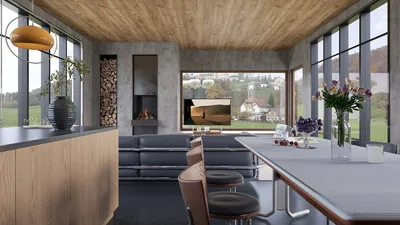


In my experience, the key to optimizing study rooms lies not in flashy decor or trendy colors, but in achieving measurable focus, visual comfort, and steady mood regulation. Color functions as an unspoken guide, influencing attention, reducing cognitive load, and stabilizing energy levels. According to the U.S. Workplace Survey conducted by Gensler, individuals who rated their workspaces highly for focus also reported improved performance in both task efficiency and quality, highlighting the profound impact of environment on cognitive productivity (Gensler Research Institute). Additionally, the WELL v2 standard emphasizes the importance of visual and mental well-being, promoting glare control, circadian-friendly lighting, and mindful textures that alleviate sensory overload—all of which align seamlessly with thoughtful color choices (WELL v2).
Lighting significantly influences the perception of any color selections you make. Following the recommendations from IES for reading and office activities, aim for a brightness of 300–500 lux at your workspace and select neutral-white task lighting in the range of 4000–4500K. This preserves contrast without inducing harshness (IES standards). Combine this with low-glare fixtures and matte paint to regulate reflected brightness. In terms of color psychology, shades of blue-green can alleviate physiological stress while enhancing focus; in contrast, vibrant reds can heighten arousal—effective in moderation to provide cues, but potentially overwhelming during lengthy tasks (Verywell Mind: Color Psychology). For effective layout planning, experiment with paint swatches alongside your light sources and desk arrangement using a straightforward interior layout planner like Homestyler before making your final decisions.
Soft Neutrals That Calm Without Dulling Focus
Balanced neutral tones such as warm gray (greige), mushroom, and pale taupe create a distraction-free environment conducive to deep work. I prefer colors with an LRV (light reflectance value) in the 60–70 range to enhance daylight reflection while minimizing glare. A crisp white ceiling provides visual lift, while slightly darker trim adds elegant framing, imparting subtle structure to the space. These color schemes are particularly beneficial for long reading sessions, especially in conjunction with a 4000K desk lamp and a matte eggshell wall finish that mitigates hot spots.
Blue-Greens for Sustained Concentration
Soft blue-green shades like eucalyptus, dusty teal, or muted aqua are known for their calming effects while still maintaining alertness. I recommend placing these colors on the wall opposite your desk to anchor the visual space. Aim for a mid to low saturation to avoid visual fatigue. Complement them with natural wood shelving and black accents for a striking contrast. If you find yourself spending long hours in front of screens, these hues can mitigate the harshness of monitor lighting and harmonize well with cool-white task lighting.
Warm Whites That Don’t Skew Yellow
For a bright and minimalist study space, opt for warm whites that have a hint of gray or beige instead of a creamy yellow. This choice ensures that both paper and digital displays retain true color representation without distortion. In rooms that receive cool light from the north, a balanced warm white can inject vibrancy, whereas in south-facing rooms that are warm, a neutral white is effective in preventing an overly warm glow. Conduct tests with large color samples at various times of the day. Incorporating wool rugs and upholstered panels in light oatmeal provides acoustic softness without resorting to stark white-on-white.
Earthy Greens for Mental Recovery Between Tasks
Sage, olive mist, and laurel greens reconnect us to nature, promoting brief recovery periods and reducing the risk of burnout. A singular accent wall behind shelving or a full room wash in a muted sage can work exceptionally well. Maintain warm metal tones (like brushed brass) and use woods in mid-tones. To avoid a dim ambiance, ensure proper vertical lighting with wall washers or a pair of sconces—task lighting at 4000K and ambient lighting at 3000K create layered comfort.
Productive Accents: Rust, Terracotta, and Soft Clay
Low-saturation shades of terracotta and clay introduce warmth and motivation without causing the anxiety associated with vibrant reds. I prefer to apply these colors strategically in storage nooks, pinboards, or within shelving units—places that benefit from gentle stimulation without dominating your main visual focus. Combine these with charcoal desk frames, light oak, and sage fabrics. Ensuring that accents comprise only 10–15% of the visual field helps maintain a focus hierarchy.
Cool Grays with Contrast Discipline
Cool grays can offer a sleek and modern aesthetic, but they necessitate careful management of contrast. Strive for a balanced contrast ratio between the walls and desk surface—too much starkness can strain the eyes when transitioning between paper and screen. A mid-gray wall coupled with a warm wood desk forms a comfortable visual link. Introduce matte black task lighting for precision and a felt pinboard to add texture while ensuring minimal color distractions.
Color Zoning for Multi-Use Study Rooms
For spaces that serve dual purposes as a study and a guest room or hobby area, employing color zoning can help define activities. Keep the desk wall in a focus-oriented hue (blue-green or soft neutral) and transition the lounge area to a desaturated warm tone (clay or warm white). This nuanced change encourages posture adjustments and structured time management. Use Homestyler to simulate your layout and visualize elements such as daylight, sightlines, and organizational proximity before committing to paint.
Ceilings, Trim, and Micro-Contrasts
Ceilings play a crucial role in perceived spatial energy. A ceiling that is one shade lighter than the walls gives the illusion of openness, while a subtly darker ceiling can create a cozy nook perfect for reading. Using trim that is slightly warmer or cooler than the wall colors sharpens the edges and prevents the room from feeling too flat. In compact spaces, maintain a close value range (within 2–3 LRV points) to minimize visual clutter.
Lighting Temperature and Color Pairings
- Blue-green and neutral palettes: 4000–4500K task, 3000–3500K ambient
- Warm white and terracotta schemes: 3500–4000K task, 2700–3000K ambient
- Cool gray modern setups: 4000–4500K task, 3000–3500K ambient with dimming
Utilize high CRI (90+) lighting sources to ensure color accuracy, especially in areas focused on design, art, or color-sensitive subjects.
Materials and Finishes That Support Color
Colors don’t exist in isolation; their effectiveness is influenced by surrounding materials. Matte and eggshell wall finishes reduce glare and prevent veiling reflections. For desk surfaces, low-sheen wood or linoleum helps minimize glare. Incorporating acoustic felt, cork, and wool can add warmth while improving sound absorption, which is crucial if your study shares walls with busy areas. Opt for sustainable materials with third-party certifications when possible and maintain low VOC levels to preserve cognitive clarity during extended study sessions.
Small Study, Big Impact: Visual Balance Rules
In smaller rooms, allow neutrals to dominate while assigning color to vertical accents such as book spines, art display rails, or a single storage facade. Ensure that the sightline behind your monitor remains tranquil (using solid, mid-light tones). Utilize closed storage in an accent color to conceal visual distractions. Mirrors should be placed to reflect light rather than clutter; position them across from a window with a soft neutral backdrop.
Behavioral Triggers and Ritual Colors
Colors can serve as signals for routines. A muted clay pinboard might act as a 'task funnel,' while a eucalyptus wall can indicate that it's time to focus. A soft olive throw on a reading chair signifies a shift to slower, more reflective tasks. These small rituals help mitigate decision fatigue, allowing you to dive into concentration with ease.
Starter Palettes You Can Trust
- Deep focus: Dusty teal walls, warm white ceiling, light oak desk, black task lamp
- Calm minimal: Warm gray walls, neutral white ceiling, charcoal desk base, oat textiles
- Study + create: Sage walls, terracotta pinboard, birch shelving, matte brass accents
- Small space: Greige envelope, clay storage fronts, white ceiling, wool rug in stone
Execution Checklist
- Monitor desk illumination at 300–500 lux, utilizing 4000–4500K task lighting (IES recommendations)
- Select matte or eggshell wall finishes to reduce glare
- Test 3–4 large paint swatches under both daylight and artificial light conditions
- Keep accents to 10–15% of the overall visual field
- Align color choices with intended functions through zoning and micro-rituals
- Validate layout and sightlines using a room design visualization tool like Homestyler before painting
FAQ
Opt for soft neutrals or muted blue-greens. These selections minimize visual distractions and stabilize attention, particularly when paired with matte finishes and neutral-white task lighting around 4000K.
Aim for illumination levels of 300–500 lux at your workspace for reading and computer use, according to IES guidelines. Layer ambient and task lighting to prevent shadows and glare.
Not necessarily. Highly vibrant reds can elevate arousal and distract over time, while muted terracotta or clay accents can introduce gentle energy when utilized in small amounts.
Warm whites or neutrals leaning warm can balance the cooler daylight, keeping the space vibrant without unwanted yellow tints if the undertones are well-managed.
A ceiling that is one shade lighter than the walls enhances perceived height. Keep finishes matte to avoid glare.
Employ 4000–4500K for task accuracy and 2700–3500K for ambient comfort. Blue-green and neutral schemes thrive with neutral-white task lighting, while warm palettes benefit from slightly warmer ambient settings.
Cool grays can feel stark if contrast levels are extreme. Balance them with warm wood tones, textured fabrics, and high-CRI lighting to maintain a comfortable and inviting atmosphere.
Yes, assigning distinct colors to focus zones and relaxation areas can help establish expectations for behavior and minimize the costs associated with context switching.
Utilize matte or eggshell finishes on walls, low-sheen surfaces for desks, and anti-glare task lighting. Steer clear of high-gloss finishes near your line of sight.
Choose soft rust, terracotta, muted coral, or clay—maintaining these accents to 10–15% of the visual field offers warmth and motivation without overwhelming focus.
Conduct tests on large samples vertically, assessing them under different lighting scenarios throughout the day, and use a layout simulation tool like Homestyler to visualize your furniture arrangement before finalizing your decisions.
Layer textiles in neutral or desaturated hues—wool rugs, cork pinboards, and felt panels—to diminish reverberation and maintain a visually calming palette.
Originally incubated at Autodesk, Homestyler has grown into one of the most widely adopted home design platforms in the world, now trusted by over 18 million users. Whether you're a homeowner exploring ideas or a professional designer delivering client-ready renders, Homestyler brings industry-leading 3D technology to your fingertips — no experience required.

Modern Minimalist Metal White Top Teal Drawer Desk 3D Model

Modern Minimalist Metal Frame Light Blue Top Coffee Table 3D Model

Minimalist Dark Oak Wood Office Desk With Built In Storage Shelves 3D Model
Homestyler is an outstanding online home design platform perfect for all your decorating needs. With an easy-to-use design tool, stunning 3D renderings, diverse design projects, and helpful DIY video tutorials, you can effortlessly create and visualize your dream spaces. Start designing today!
Design Now for FREE
































