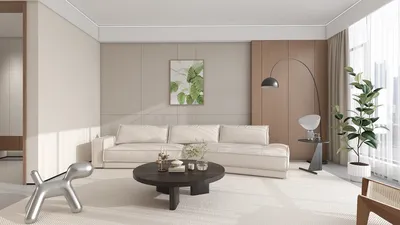


Student hostels flourish when their design promotes rest, focus, and a sense of community. In my residential education initiatives, effective spaces begin with strategic zoning, glare-free lighting, and versatile storage that adapts to busy exam periods. Research indicates that student cognitive performance sees an enhancement in environments where distractions are minimized and ergonomic support is prioritized. By utilizing task seating and appropriate desk heights, attention can be maintained during prolonged study sessions. The WELL v2 framework also stresses the importance of lighting quality—ensuring adequate illuminance and managing glare enhances visual comfort and supports circadian rhythms for all residents.
Lighting is a critical design element that directly influences performance. Recommendations from the IES suggest that task lighting should range between 300–500 lux for reading and 400–750 lux when writing in detail, which aids in reducing eye strain. Combining a warm ambient light source (2700–3000K) with neutral task lighting (3500–4000K) can help achieve a balance between comfort and clarity. According to the WELL Building Standard, circadian-effective lighting is linked to improved sleep quality and daytime alertness, vital for studious individuals who often deal with varied schedules. To better organize spaces, I utilize a room layout tool like Homestyler to visualize desk placements, sightlines, and clear walkways, ensuring roommates can move freely and without disruption.
Effective Zoning for Focus, Sleep, and Storage
In compact hostel rooms such as those at Sri Chaitanya, it's beneficial to create three distinct micro-zones: study, sleep, and stow. The study zone should position desks to avoid direct glare from windows while allowing some natural light to improve mood and reduce eye strain. The sleep zone thrives with ambient low lighting, blackout curtains, and a serene headboard wall. The stow zone should include vertical shelving, under-bed storage, and shared cubbies to prevent clutter and ensure the floors remain clear for easy movement. When designing for double or triple occupancy, it’s essential to maintain at least 900–1000 mm of clear space between desks and beds to encourage a functional flow.
Ergonomic Designs That Support Extended Study Sessions
A focus on comfort is paramount for retention and productivity. Desks should be set at heights between 720–740 mm, complemented by chairs featuring lumbar support, adjustable seat heights (400–500 mm), and breathable materials suitable for humid conditions. Smooth desk edges, monitor risers for optimal eye alignment, and adjustable task lighting contribute to safer long study sessions for both neck and eyes. I often recommend footrests for shorter individuals and advocate for a 20-8-2 movement pattern per hour—20 minutes of seated focus, 8 minutes of standing or stretching, and 2 minutes of light walking or hydration. Simple enhancements, such as soft mats where students stand and hooks placed at shoulder height, reinforce good posture and organization.
The Role of Color Psychology in Enhancing Study Environments
Colors play a significant role in influencing study stamina and emotional well-being. A carefully chosen palette incorporating desaturated blues and softly muted greens fosters a calm atmosphere, while warm neutrals evoke a friendly environment. Accent colors should be judiciously applied to minor surfaces—like pinboards or desk accessories—to reduce visual clutter. For roommates who favor different color schemes, utilizing a divided accent strategy, such as incorporating a cool-toned study area for each desk alongside a shared neutral base, provides a harmonious compromise. Thoughtful color choices can also help diminish glare; opting for matte finishes on desks and cabinets reduces harsh reflections under task lighting.
Incorporating Multi-layered Lighting Strategies
A well-rounded lighting strategy includes three essential layers. Ambient lighting involves indirect sources that provide around 150–300 lux for general activities. Task lighting should be strategically placed to achieve 300–500 lux, positioned beside the writing hand to minimize shadows. Wind-down lighting can be comprised of warm bedside lamps or dimmable LED strips, signaling the approach of sleep. To guard against harsh glare, it is advisable to shield bare bulbs and use diffusers, which help alleviate brightness contrasts that might cause discomfort. In bunk or lofted configurations, providing individual reading lights with local switches promotes independent rest for roommates, while maximizing access to natural light wherever possible, supplemented by blackout blinds for intensive study periods.
Ensuring Acoustic Comfort for an Optimal Study Environment
Noise acts as a hidden stressor in student accommodations. Soft furnishing elements effectively absorb sound, helping to diminish background chatter and disturbances from hallways. Incorporating fabric wall panels, curtains, and area rugs with underlays can significantly enhance acoustic comfort. In scenarios where walls are hard, installing a slim acoustic panel above workspaces can lessen echo and improve communication clarity during remote classes. Establishing designated quiet hours that align with study periods and situating audio equipment or music setups far from sleeping areas can also help mitigate noise conflicts. Utilizing door seals and rubber bumpers can effectively reduce slamming sounds without extensive renovations.
Dynamic Storage Solutions that Adapt to Academic Cycles
Employing high-density vertical storage solutions maximizes floor space for movement. Utilizing modular units and shelf risers allows for categorizing books by subject, while labeled bins can house laboratory equipment or sports gear. Under-bed drawers serve as great venues for storing larger items, and keeping frequently used supplies within easy reach eliminates unnecessary challenges. In shared rooms, color-coding storage boxes can minimize mix-ups, and I often suggest adding a slender shelf above desks for reference materials and a pinboard rail system to keep notes organized without overtaking the workspace.
Establishing Shared Room Etiquette through Thoughtful Design
Conflict among roommates can be significantly reduced when physical boundaries are clearly displayed. Designating desk areas through specific task-light placements and personal pinboards fosters an understanding of individual space. Providing a neutral communal surface—such as a foldable table for collaborative study sessions or shared meals—cultivates teamwork among roommates. Additionally, cable management solutions along baseboards reduce tripping hazards and keep charging devices organized. Implementing a weekly sorting routine, taking ten minutes every Sunday, helps maintain room order, especially during peak exam seasons.
Prioritizing Ventilation, Materials, and Durability
In warm, humid areas, it’s crucial to focus on breathable materials and low-VOC finishes that preserve air quality. Choosing durable laminates for furniture, including rounded edges to prevent injuries in tight spaces, and washable paint for ease of upkeep simplifies maintenance tasks. Opt for slatted bed bases to support airflow beneath mattresses. In situations where mechanical ventilation is restricted, a quiet oscillating fan equipped with an activated carbon filter can assist in reducing humidity and odors while keeping disturbances to a minimum for roommates.
Flexible Layout Options for Singles, Doubles, and Triples
For single occupancy, position the desk perpendicular to the window to optimize light without glare, complemented by a shelf tower that visually separates the study and sleep areas. In doubles, reflect the storage and desk arrangement on each side, ensuring a circulation space of 900–1000 mm between beds and desks; shared pinboards and compact rolling carts cater to communal needs. Triples can benefit from lofting one bed to create an under-bunk study niche, while vertical storage options are employed at opposite ends of the room. For these configurations, utilizing a design visualization tool like Homestyler can effectively test space utilization and furniture footprints, while considering roommates' patterns of movement.
Encouraging Productive Daily Routines
Design plays a pivotal role in influencing behavior. Keeping accessible hydration stations near desks, scheduling daylight breaks next to windows, and maintaining visible checklists for assignments promotes a structured routine. Preset lighting scenes for study, relaxation, and sleep help reduce the burden of decision-making throughout busy days. Additionally, a small “noise management kit” that includes earplugs, a white-noise application, and soft headphones can help mitigate disturbances from late-night traffic in common areas.
Budgeting for Functional Enhancements
Invest in key items that transform outcomes: an ergonomic chair, an adjustable task light, blackout curtains, and modular storage solutions are essential. Secondary upgrades, including rugs with underlays, pinboards, and cable management systems, offer cost-effective yet impactful enhancements. If only one investment is possible, prioritize the chair; comfort during prolonged study sessions significantly boosts focus and maintains good posture.
For comprehensive design advice grounded in research, investigate the WELL Building Standard’s insights on lighting and comfort within WELL v2. Detailed guidelines regarding lighting standards can be found through the Illuminating Engineering Society's resources.
FAQ
Q1: What are the best dimensions for desks and chairs during lengthy study sessions?
A: Aim for a desk height of approximately 720–740 mm, paired with a chair that boasts height adjustment (400–500 mm), lumbar support, and breathable fabric. Position the monitor to align eye level near the top third of the screen to minimize neck strain.
Q2: How bright should task lighting be when reading or writing?
A: For reading, strive for brightness levels between 300–500 lux at the work surface, and for detailed writing, aim for 400–750 lux. A combination of neutral white task light (3500–4000K) and warm ambient lighting (2700–3000K) achieves a balanced environment.
Q3: Which color palette effectively supports focus while avoiding a sterile atmosphere?
A: Incorporate soft blues and greens for a calming effect and warm neutral shades for comfort. Limit color accents to specific areas such as pinboards or a singular wall strip to evade overwhelming visual stimulation.
Q4: What measures can be taken to dampen noise in a shared hostel room?
A: Incorporate soft materials—like rugs with underlays, curtains, and fabric pinboards—and consider a slim acoustic panel above work areas. Utilizing draft seals for doors and rubber bumpers can effectively minimize slamming sounds.
Q5: How should I approach layout designs for doubles or triples?
A: Ensure 900–1000 mm of open circulation, mirror study stations for fairness, and incorporate vertical storage solutions. Utilizing a design tool can help simulate furniture arrangement and navigate roommate dynamics.
Q6: How can lighting features assist with achieving better sleep for irregular study schedules?
A: Implement warm, dimmable bedside lighting for winding down. Employ blackout curtains during exam times while using sheer materials for regular days. Lighting setups that support circadian rhythms can improve sleep quality significantly.
Q7: What are the most effective storage strategies to maintain tidiness during exam periods?
A: Utilize categorized storage options with labeled bins, under-bed drawers for bulk storage, and accessibility for everyday supplies. A narrow shelf above the desk can enhance spatial organization without sacrificing workspace.
Q8: Which investments yield substantial productivity improvements on a budget?
A: Begin with an ergonomic chair, adjustable task lighting, and blackout curtains. Additional solutions—like modular storage and thoughtful cable management—can help diminish distractions while being cost-effective.
Q9: How should desks be oriented in relation to windows?
A: Desks should be placed perpendicular to windows to maximize daylight without direct glare. Matte surfaces can help minimize reflections when natural light streams through.
Q10: What ventilation options enhance comfort in humid environments?
A: Favor breathable materials, low-VOC paint finishes, slatted bed foundations for airflow, and a quiet fan with a carbon filter to manage heat and odors effectively.




Discover the power of Homestyler, an intuitive online home design platform! With its user-friendly design tool, stunning 3D renderings, diverse design projects, and helpful video tutorials, you can unleash your creativity and effortlessly create your dream space. Perfect for all skill levels!
Desain sekarang Gratis
































