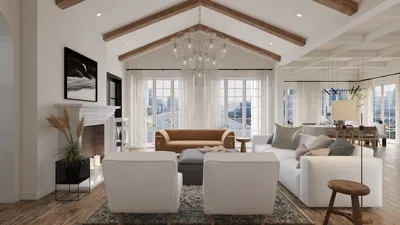


Over the years, I've reimagined and upgraded numerous student accommodations, making them adaptable for sleep, study, and socializing—all while working within budget constraints and limited space. The most effective hostel rooms are not only well-organized; they are also tailored to align with human behaviors, such as circadian rhythms, workflow, privacy requirements, and the challenges of prolonged desk time. Incorporating tools like Homestyler for design visualization can significantly enhance this process.
Creating a comfortable environment begins with solid evidence. WELL v2 suggests a lighting range of 300–500 lux for general ambiance while task areas should be illuminated between 500–750 lux, minimizing glare through strategic shielding and diffusion. Research by Steelcase emphasizes that discomfort and inadequate ergonomics can impair cognitive function and lead to fatigue during extended study periods. This underlines the necessity for adjustable seating, appropriate desk heights, and effective task lighting. According to a color psychology overview by Verywell Mind, cooler shades like soft blues and greens help reduce stress and promote focus, while warmer accents can instill a welcoming vibe, easily blending study concentration with sociable warmth in student rooms. For thorough planning insights, resources such as WELL’s Light concept alongside Steelcase's investigations are excellent starting points.
Core Layout: A Room That Works All Day
In a compact hostel room, it’s important to delineate clean zones for sleeping, studying, storing, and socializing without creating confusion. A bed-to-desk diagonal layout is my preferred choice, allowing two students to navigate past each other with ease. When feasible, position desks near windows to harness natural light, reducing reliance on high-output task lighting during midday. If experimenting with furniture arrangements or bed positions, using a layout simulation tool such as Homestyler can provide valuable insights into flow and movement.
Lighting That Respects Circadian Rhythm
A layered lighting approach maintains both visual comfort and mental alertness. An ambient level of approximately 300–400 lux helps to avoid harsh contrasts, while task lighting should range from 500–750 lux, ensuring clarity for notes and screens. Selecting color temperatures of 2700–3000K for nighttime relaxation and 3500–4000K for daytime productivity is key. Additionally, avoid placing bare LEDs at eye level; instead, opt for diffusers and indirect light sources to minimize glare. Incorporating a small, adjustable bedside lamp for reading can significantly aid in establishing a restful environment.
Ergonomics: The Study Spine
Desks should ideally be set at a height of 720–740 mm for most users, paired with an adjustable chair that provides lumbar support and features a seat height of about 420–520 mm. Monitors need to be positioned at eye level and an arm's length away to diminish neck tension. Incorporating keyboard trays and footrests can lead to noticeable improvements in focus, even in smaller spaces, as these minor adjustments can alleviate shoulder tension and other postural issues. Using effective cable management also helps to keep spaces organized and safe.
Storage That Doubles as Acoustic Buffer
Noise is an unavoidable challenge in hostel environments. Tall storage solutions like wardrobes and book-filled shelves act as effective sound barriers along shared walls. Soft-close mechanisms can limit disturbances at night. Incorporate fabric pinboards above desks for notes while also serving as sound-dampening panels. Utilize baskets under beds and racks over doors to keep floor space clear—ensuring unobstructed pathways contributes to safety and mental clarity.
Color Psychology: Calm Meets Energy
When selecting colors for walls, opt for subdued shades such as powder blues, soft greens, or light greys. These colors help to reduce physiological stress and support extended concentration, while warmer accents—such as terracotta cushions and amber shades—add a touch of warmth and sociability. I prefer to keep the primary wall colors soft and low in saturation, reserving richer tones for textiles, which students can easily swap out depending on their moods or the changing seasons.
Materials: Durable, Easy-Clean, and Sustainable
Choose fabrics that resist wear and laminates that withstand moisture. A low-pile woven rug can introduce warmth and help with sound absorption without accumulating dust. If budget allows, prioritize materials that are Greenguard-certified to minimize VOCs and enhance indoor air quality; this is particularly beneficial for students who spend significant hours indoors, as it can limit unpleasant chemical odors.
Privacy and Micro-Zoning for Roommates
With two students sharing space, accommodating different schedules is essential. Simple dividers—like open shelving, curtain tracks, or tall houseplants—can create visual separations without blocking natural light. Positioning headboards against opposite walls helps to reduce confrontational wake-ups. It's advisable to establish a 'quiet zone' after 10 p.m. and designate a social area with two compact lounge chairs instead of sprawling onto beds.
Daylight Strategy and Glare Control
To prevent reflections on screens, align desks perpendicular to windows. If direct sunlight is an issue, use light-filtering shades along with matte monitor screens. Bright white ceilings with over 80% reflectance can help diffuse daylight deeper into the room, thereby diminishing the need for excessive artificial lighting while ensuring gentle illumination for the eyes.
Acoustic Comfort on a Budget
Enhance acoustic comfort by layering soft materials like curtains, rugs, upholstered desk chairs, and fabric pinboards. Even small additions can improve clarity during online classes and reduce vocal strain. Steer clear of noisy metal accessories; instead, opt for wooden or polymer desk organizers that minimize sound transmission across shared surfaces.
Spatial Ratios and Visual Rhythm
Ensure that larger pieces of furniture are visually aligned in a single line—bed, desk, wardrobe—while using vertical elements like lamps or plants to break up the monotony. Aim for 60–70% of open floor space to facilitate movement and keep pathways from doors and desks clear at 750–900 mm. Using consistent materials—such as matching wood tones for desks and shelves—creates a soothing sense of continuity.
Ventilation, Heat, and Sleep Quality
A small fan paired with operable windows may provide better comfort than relying solely on air conditioning. Use breathable cotton bedding and consider adding a light throw for adjusting to temperature changes. Keep electrical strips elevated off the floor near sleeping areas for enhanced safety.
Smart Integrations That Don’t Overwhelm
Opt for a single smart plug to control desk lamps and a compact power hub featuring surge protection. Over-complicating automation can potentially confuse roommates; establishing simple, shared rules for things like lamp timings and device charging areas helps to minimize friction among housemates.
A Weekend Refresh Plan
Day 1: Begin by decluttering, defining zones, shifting the desk to the window wall, organizing cables, and swapping lamp bulbs to 3500–4000K for study and 2700–3000K for evening relaxation. Day 2: Add a rug and curtains, a pinboard, warm accent pieces, and consider a micro-divider if needed. Re-evaluate space with an interior layout planner like Homestyler to ensure walking paths feel intuitive.
FAQ
Aim for 500–750 lux on work surfaces using a diffused task lamp to minimize glare, while maintaining ambient light around 300–400 lux.
For walls, incorporate soft blues and greens along with warm accent textiles. A low saturation approach minimizes visual distractions and aids prolonged reading.
Utilize curtains, a low-pile rug, upholstered seating, and shelves filled with books along shared walls. Fabric pinboards near desks can also contribute to sound insulation.
A desk height of approximately 720–740 mm is ideal; pair this with an adjustable chair featuring a seat height between 420–520 mm and lumbar support. Ensure screen heights are adjusted to eye level.
Establish micro-zones: designate study areas near natural light, create separated sleep spaces with shelving or curtains, and incorporate a small social corner with two chairs.
Position desks perpendicular to windows, implement light-filtering shades, and choose matte finishes for monitors while using adjustable task lighting.
Utilize 3500–4000K during the day for focus and 2700–3000K for relaxation in the evening. Matching light to the task and time of day enhances comfort.
For storage, consider under-bed bins, vertical wardrobes, over-door racks, and wall-mounted shelves. Keeping floors unobstructed ensures walking paths of 750–900 mm.
Headboards placed against solid walls, establishing visual breaks between beds, and using dimmable bedside lamps can significantly improve restfulness while minimizing wake-up disturbances.
Select eco-friendly, low-VOC materials, durable fabrics, and energy-efficient LED lighting. Optimizing daylight usage aids in reducing energy costs without sacrificing comfort.
Homestyler is your go-to online home design platform! With its user-friendly design tool, stunning 3D renderings, and a wealth of design projects and DIY video tutorials, you can effortlessly transform your space and unleash your creativity. Start designing your dream home today!
Diseño ahora GRATIS
































