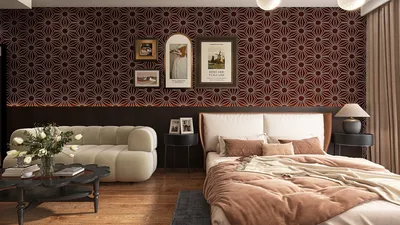


I treat a storage room like a miniature hub for organization: defined zones, optimized lighting, robust materials, and easy access. The goal is straightforward—ensure smooth retrieval and scalable storage solutions. In homes, where 9–12% of floor space is typically allocated to storage, enhancing the store room can significantly improve daily efficiency. Research by Steelcase indicates that maintaining visual clarity can decrease time spent on tasks, especially when items are arranged by usage frequency and clearly labeled. This principle is similar to what keeps supply rooms in workplaces efficient.
The importance of lighting is often underestimated. According to the WELL v2 standards, the recommended illumination level for task areas is between 300–500 lux; for storage rooms, my target is 400–500 lux to ensure that labels and the contents of bins are easily readable without causing glare. Guidance from the IES emphasizes the need for uniform lighting to eliminate shadowy areas—using wall-wash or linear LEDs along shelves can mitigate the common issue of poorly lit top shelves. Additionally, color psychology is key: research from Verywell Mind suggests that cool neutral tones aid concentration; combining neutral walls with high-contrast labels improves visibility and speed of identification.
Organizing by Frequency: The Core Zoning Strategy
I categorize items into three distinct bands—daily, weekly, and seasonal. Items used daily should be placed between knee and shoulder height; weekly items can go above or below that range; and seasonal and bulkier items are stored on the floor level or on top shelves equipped with safety rails. If you're looking for a way to visualize reach zones before purchasing shelving units, a layout tool from Homestyler can help simulate shelf heights and consider door openings and circulation spaces.
Shelving Sizes and Spatial Ratios
Most residences benefit from a 60:40 ratio of closed to open storage in the storage room. Open shelves (300–450 mm deep) work well for bins and bulk items, while closed cabinets offer protection for linens, papers, and chemicals from dust and UV exposure. I recommend a minimum aisle width of 900 mm for easy navigation, with 1,050 mm providing extra room for maneuvering boxes. Adjustable uprights with 50 mm increments ensure that vertical space is used effectively. Consistent shelf heights for similar bins create a visually appealing grid, thereby reducing cognitive load.
Labeling, Color Coordination, and Visual Hierarchy
Using high-contrast labels (dark text on a light background) at consistent left-aligned positions can significantly enhance scanning speed. Limit color coding: utilizing one color per category (such as cleaning supplies, tools, pantry overflow, and linens) is sufficient. A noticeable band at the front edge of shelves acts like a visual guide. I prefer soft, neutral colors for walls and shelves, saving vibrant hues for labels and bin fronts to reduce visual fatigue.
Lighting: Lux Levels, Color Temperature, and Glare Management
For the working plane, I aim for 400–500 lux, with a color temperature of 3,500–4,000K for a neutral-white clarity, and a CRI of 90 or above to accurately reflect colors on labels. It's best to avoid exposed downlights that may create uneven lighting; instead, opt for linear under-shelf or wall-mounted LEDs to ensure uniform illumination. Incorporating an occupancy sensor can enhance energy efficiency while keeping your hands free. For glare management, using matte paint and diffusers combats reflections from plastic bins.
Ergonomics and Safe Handling Practices
Store heavier items between 500–1,000 mm in height to minimize strain during lifting. Keep frequently used tools close to the entrance; seldom-used tools can be positioned deeper within the room. I advocate for pull-out bins rather than deep fixed shelves to avoid cumbersome reaches. Ensure a clear swing of 300 mm around the door to prevent collisions with front racks. If possible, a sliding door design is a smart choice, as it saves space and reduces pinch points.
Moisture Control, Ventilation, and Acoustic Comfort
Storage rooms adjacent to kitchens or laundries require moisture-resistant materials. Proper ventilation—either a quietly operating exhaust fan with airflow between 25-50 l/s or a transfer grille for air circulation—is essential to managing humidity levels. While acoustic comfort is less paramount, implementing soft-close mechanisms and rubber feet on racks can help mitigate noise impact, which is beneficial in more compact living environments.
Materials: Durability, Cleanability, and Sustainability
My preference is for powder-coated steel shelving, FSC-certified plywood for cabinets, and low-VOC paints. Flooring should be composed of resilient vinyl or sealed concrete to resist spills. If handling chemicals, a metal cabinet with vented doors and a spill tray is essential. Closed cabinets with gasketed doors help keep textiles dust-free. When budgeting permits, select materials with proven environmental qualities—Material ConneXion is a valuable resource for sourcing sustainable options.
Maximizing Small Spaces
In compact urban settings, verticality is key. Implement full-height storage solutions paired with a portable stepping tool (such as a folding platform, 600 mm wide) that can be conveniently hung. Over-the-door racks for light items, pegboards for tools, and slim roll-out carts between cabinets can help manage pantry overflow effectively. Mirrors or light finishes enhance the perceived space; more crucially, uninterrupted shelf lines contribute to a cohesive, tranquil appearance.
Effective Organization and Workflow Strategies
Establish a straightforward intake workflow: new items should be placed on a staging shelf for labeling before being categorized. A quarterly review (no longer than two hours) can eliminate duplicates. Integrating QR labels alongside a simple inventory app can assist in tracking seasonal items. Designate a “first out” area for perishable goods. Efficient lighting and organization directly impact retrieval speed—research from Herman Miller on clear navigation in workspaces is applicable here, showing that consistent signage helps minimize time spent searching.
Safety and Fire Precautions
It's crucial to separate flammable materials (like paper and solvents) from heat sources and electrical panels, maintaining a clearance of 600 mm around these panels. Having a compact multipurpose fire extinguisher near the door is a practical safety measure. Ensure that tall racks are secured to walls and use anti-tip brackets, especially in settings where children may access the store room.
Examples of Storage Room Layouts
For a 1.5 × 2.0 m room, consider two full-height shelf walls (300 mm deep) with a central aisle of 900 mm. Place daily-use bins at a height of 1,000–1,400 mm, with heavier items between 600–900 mm. Install a wall-mounted linear LED light, ideally at 4,000K, running the length of the shelves. For a larger 2.0 × 3.0 m room, include a central workspace (600 mm deep) complete with under-counter drawers and pegboard above. Utilize an interior layout planner, such as Homestyler, to visualize door swings and aisle clearances before finalizing the design.
Routine Maintenance and Upgrades
Conducting quarterly relabeling, replacing dust seals annually, and checking shelf anchors regularly help maintain the room's condition. If clutter becomes an issue, consider transitioning from mixed bins to a unified system with standardized sizes. Adding task-specific lighting beneath frequently used shelves can assist with organizing paper goods and labels.
For insights regarding the interplay between lighting, ergonomic design, and productivity, refer to the guidance on WELL v2 at the International WELL Building Institute and the Steelcase research regarding workplace organization and visualization: WELL v2, Steelcase research.
Frequently Asked Questions (FAQs)
Q1: What lighting levels should I aim for?
A: Target between 400–500 lux, using a color temperature of 3,500–4,000K and a CRI of 90 or above to ensure labels and contents are visible without color distortion. Employing uniform linear lighting helps avoid shadowy areas on shelves.
Q2: What is the ideal depth for storage room shelves?
A: A depth of 300–450 mm typically suits most household bins. Depths beyond 450 mm can lead to overpacking and misplaced items unless using pull-out configurations.
Q3: What is the best method for zoning items?
A: Organize based on usage frequency: place daily items between knee and shoulder height, weekly items either above or below that range, and locate seasonal or heavier items at lower heights or on top shelves with safety rails. Ensure the most commonly used items are easily accessible near the entrance.
Q4: Which materials stand out for durability?
A: I recommend using powder-coated steel for storage units, FSC-certified plywood for cabinets, and resilient vinyl or sealed concrete for flooring. Additionally, opt for low-VOC paints to ensure air quality remains high.
Q5: How can I mitigate humidity damage?
A: Ensure proper airflow (25–50 l/s with a quiet exhaust fan) and avoid placing textiles against external walls in humid conditions. Opt for gasketed cabinets when storing linens.
Q6: What is a comfortable aisle width?
A: A minimum width of 900 mm is recommended, with 1,050 mm enhancing mobility when transporting boxes. Confirm that door swings do not interfere with aisle space.
Q7: Any suggestions for small apartments?
A: Focus on vertical storage solutions, incorporate over-door racks, pegboards, and narrow roll-out carts between cabinets. Maintaining continuous shelf lines and using lighter finishes can minimize the appearance of clutter.
Q8: How frequently should audits and relabeling be done?
A: Conduct quarterly audits to keep the system clear and relabel as needed to maintain organization. A consistent bin system and systematic label placement can save time.
Q9: Are smart labeling solutions beneficial?
A: QR codes combined with a straightforward inventory app can be effective for tracking seasonal and bulk items. Ensure the process remains uncomplicated to avoid it becoming a burden.
Q10: What safety measures should I consider near electrical panels?
A: Ensure a clear space of 600 mm around these panels, secure tall shelving units to the wall, and store flammable materials away from heat sources. Placing a small fire extinguisher near the entrance is a wise precaution.



Homestyler is your go-to online platform for effortless home design! With its user-friendly design tool, stunning 3D renderings, a plethora of design projects, and engaging video tutorials, you can easily create and visualize your dream spaces. Transform your ideas into reality today!
Дизайн сейчас бесплатно
































