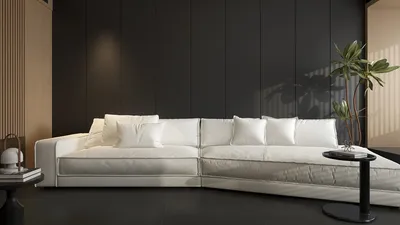


Using mobile furniture can significantly enhance the feel of compact living rooms, making them appear larger, more adaptable, and sociable. A small coffee table with wheels stands out as one of my top recommendations—it facilitates dynamic seating arrangements, quick clean-ups, and versatile usage without contributing to visual clutter. In constrained spaces like studio apartments, this single piece can optimize traffic flow, support activities from working on a laptop to enjoying board games, all while maintaining a serene atmosphere.
Mobility aligns with the way people truly live. Research conducted by Steelcase indicates that teams are more efficient when their furniture allows for easy reconfigurations, a concept that also applies at home where seating and surfaces need to adjust throughout the day. The WELL v2 framework underscores that ergonomic principles and adaptable settings are vital for comfort and well-being; rolling tables exemplify this by allowing surfaces to come to the user, avoiding awkward postures.
From a practical perspective, a wheeled coffee table minimizes both visual and physical friction. Position it slightly off-center to improve circulation, bring it closer for snacks, or nest it alongside soft seating during film nights. I prefer compact dimensions—typically 24–32 inches in length and 18–22 inches in width in smaller rooms—ensuring smooth and safe movement.
Key Advantages of a Mobile Coffee Table
- Flexible zoning: It delineates small areas—like a reading nook, a workspace for your laptop, or a snack station—without the need for permanent barriers.
- Enhanced ergonomics: Bring the table closer to maintain neutral wrist positions and decrease slouching. Height-adjustable models add further benefits for diverse seating arrangements.
- Quick resets: With casters, the table can easily be moved out of the way for yoga, accommodating guests, or quick cleaning.
- Visual lightness: Low-profile designs, slender tabletops, and open bases help maintain clean sightlines and lessen visual bulk. I steer clear of heavy pieces in tighter spaces.
Selecting the Appropriate Size, Shape, and Casters
I begin by considering circulation. Maintain 18–24 inches of space around the seating for easy movement. Oval and rounded rectangle designs glide past knees more gently than square edges. Lower heights (14–17 inches) complement lounge furniture, while taller options (18–20 inches) fit better with settees or benches. For casters, quiet TPR (thermoplastic rubber) wheels safeguard floors and minimize vibrations. Ensure that locking casters are included on at least two corners for stability when using the table for laptops or hot beverages.
Materials and Sustainability
When it comes to mobile pieces, durability is key. I favor powder-coated steel frames combined with FSC-certified wood tops or high-pressure laminate for scratch resistance. If you prefer natural warmth, sealed oak or ash wood ages beautifully; for a minimalist vibe, a thin steel tray top keeps the look airy. Opt for low-VOC finishes and responsibly sourced woods to ensure good indoor air quality and long-lasting performance.
Ergonomics, Comfort, and Anthropometrics
When seated, the tabletop should be positioned 16–20 inches from the torso, allowing elbows to maintain a 90-degree bend. It’s ideal for the table to rest slightly below cushion height to prevent shoulder strain. Rounded corners minimize contact stress in compact seating arrangements. Should you use the table as a workstation, consider adding a compact wrist rest and ensure that the screen height is elevated using a stand for optimal neck alignment.
Light, Color, and Visual Harmony
Glossy tabletops can reflect light and may create glare under bright task lighting, whereas matte finishes help control reflections. Soft, neutral colors—such as warm grays, sandy hues, and pale woods—integrate seamlessly into various interiors, reducing visual noise. For contrast, a deeper tone (like ink or forest green) can anchor the seating area, but maintain a slim profile to avoid bulkiness. Keep in mind how the table's finish interacts with ambient light; overly dark pieces in dimly lit settings may appear heavy.
Acoustics and Movement Noise
Hard casters on wood floors can click and transmit vibrations. I recommend using rubberized casters and placing felt pads underneath accessory trays. The table itself can act as a minor acoustic diffuser; open-frame designs can break up sound waves, while solid forms may reflect noise. In lively environments, pairing the table with a woven rug can help mitigate rolling sounds.
Storage-Forward Designs
With limited space, closed storage under the tabletop keeps essentials like remotes and chargers neatly hidden. Shallow drawers (2–3 inches deep) help avoid knee collisions. If you prefer open storage, a lower shelf for baskets allows for quick access while keeping the aesthetic light. Ensure the total height remains low to maintain stability during movement.
Layout Strategies for Micro-Living Rooms
While arranging tight seating clusters, I often create a “U” or “L” shape with the wheeled table placed on the open side. This setup makes sliding in and out seamless. If the area serves double duty as a guest room, simply move the table into a corner when unfolding a sleeper couch. To help visualize these arrangements before making a purchase, utilize a room layout tool to simulate space clearances and paths for casters:
room layout tool.
Safety and Stability
Locking casters are essential for households with children or pets. I look for dual-wheel designs and steel stems rated for at least 50 to 75 lbs per wheel. If you plan to serve hot beverages, a raised rim or tray style top can help lower the risk of spills. When moving, ensure heavy items are kept low and centered to prevent tipping hazards.
Styling Tips and Everyday Usage
- Maintain light surfaces: Limit the decor to one large tray, one plant, and a stack of books—avoid overwhelming the tabletop.
- Establish an evening setting: Bring the table closer to seating arrangements for snacks and ambient lighting.
- Morning reset: Position it slightly off-center to improve circulation and let in natural light.
- Seasonal adjustments: Change accessories according to the season—use linen in summer and wool in winter to keep the vignette refreshed.
In a 340 sq ft studio that I renovated, a rolling table turned a rigid setup into a flexible space. During the day, it was positioned by the window to enhance the reading nook; in the evenings, it moved closer to the seating for dining. Guests benefited from the quick adjustments, and cleaning became a breeze—just vacuum and roll it out of the way.
Guidelines for Balancing Proportions
Align the table’s visual weight with the sofa: choose a slim table for a narrow-legged loveseat, and a somewhat bulkier frame for fuller seating. The table should ideally measure about two-thirds the length of the sofa for a harmonious look. If you're pairing it with accent chairs, ensure the table's longest side aligns with the space between those chairs, acting as a mobile connector.
Standards and Research Insights
Flexible furnishings conform to the concepts outlined in WELL v2, which focus on comfort, movement, and inclusive design. Productivity research from Steelcase emphasizes the value of reconfigurable arrangements to cater to different activities, mirroring how home usage transitions from meals to work. This supports the intuitive understanding that mobility decreases friction and enhances functionality.
FAQ
Q1: What dimensions are suitable for small living rooms?
A: Aim for dimensions of 24–32 inches in length and 18–22 inches in width, ensuring at least 18 inches of free space around seating for smooth foot traffic.
Q2: Which kind of casters are best for protecting hardwood floors?
A: Soft TPR or rubber casters designed with smooth bearings minimize noise and avoid scratching. Locking features are essential for keeping the table steady during use.
Q3: How can I prevent glare on the table surface?
A: Choose matte finishes and position the table away from direct overhead lighting. Glossy surfaces may reflect task lighting and create visual discomfort.
Q4: Is it possible for a rolling coffee table to work as a laptop station?
A: Certainly. Keep the top slightly lower than cushion height, use a laptop stand to elevate the screen, and lock the casters to stabilize the surface while typing.
Q5: What shapes guarantee safety in tight seating arrangements?
A: Oval and rounded rectangle designs reduce corner impact and glide more easily around knees. They're particularly effective for quick reconfigurations.
Q6: How much storage is functional without increasing bulk?
A: Shallow drawers (2–3 inches) or a streamlined lower shelf maintain proximity to essentials while preserving a lightweight appearance. Avoid tall storage that raises the center of gravity.
Q7: What's the best strategy to style the table without cluttering the limited surface?
A: Utilize a single tray for organization, add a small plant for height, and incorporate a few books. Regularly edit the items to avoid overflow.
Q8: How do I plan the layout effectively before purchase?
A: Use tape to outline dimensions on the floor or try a digital room design tool to simulate clearances, while checking caster paths and seating proximity. A layout visualization tool aids in conceptualizing movement.
room design visualization tool
Q9: Does a wheeled table influence room acoustics?
A: It can have a slight impact. Rubber casters and rugs can help diminish rolling sounds. Open-frame designs are better for diffusing sound than solid blocks.
Q10: What sustainability factors should I consider?
A: Focus on FSC-certified wood, low-VOC finishes, and durable structures for longevity. Repairable components, like replaceable casters, contribute to the table’s lifespan.
What began as an Autodesk innovation has evolved into a design platform used by more than 18 million people around the globe. Homestyler combines powerful rendering, an intuitive editor, and a vast furniture library to help you turn inspiration into photorealistic designs — whether you're redesigning a single room or planning an entire home.
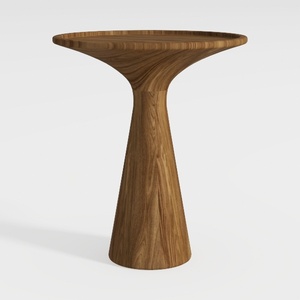

Minimalist Solid Wood Side End Table 3D Model

Mid Century Oak Rattan Nightstand 3D Model
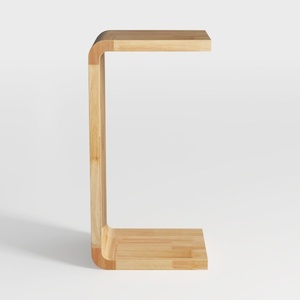
Minimalist Natural Solid Wood C Shape Side Table 3D Model
Homestyler is an exceptional online home design platform, perfect for anyone looking to transform their space. With its user-friendly design tool, stunning 3D renderings, and a wealth of DIY video tutorials, you'll have everything you need to explore and create your dream home effortlessly!
Design Now for FREE
































