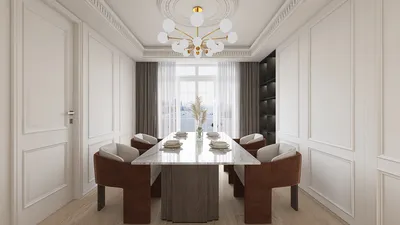


In my experience with compact homes, urban studios, and multifunctional spaces, I've often turned to drop leaf tables. Their charm is straightforward: they provide ample surface area when required while folding down to a sleek profile when not in use. This adaptability is essential in small-space design, allowing for various activities—such as working, dining, and crafting—without cluttering the area or obstructing natural light. For designers seeking innovative solutions, incorporating tools like Homestyler can enhance the planning process.
The significance of scale and efficiency cannot be overstated. Research from Steelcase highlights that adaptive furniture increases the perceived utility of spaces and facilitates smooth transitions between tasks throughout the day. The WELL v2 framework also acknowledges the importance of multifunctional areas, contributing to stress reduction and enhanced comfort. These findings reflect my observations: when surfaces are adjustable, individuals can maximize space and improve their overall well-being
The impact of light and ergonomics on user experience is profound. The IES suggests that task lighting should achieve approximately 300–500 lux for reading or focused activities, with lower ambient levels to mitigate glare and optimize contrast. Using a well-designed drop leaf table in conjunction with this lighting setup promotes better posture and reduces eye strain, particularly during extended hours of laptop usage or crafting projects.
What Makes a Drop Leaf Table Effective in Limited Spaces
An effective drop leaf table functions like a piece of architecture—expanding for gatherings and retracting to create openness. I prioritize three main factors: proportion, hinge strength, and leg support. Proper proportions facilitate smooth traffic flow; robust hinges ensure stability over time; and thoughtful leg positioning avoids knee collisions, allowing for comfortable seating without awkward maneuvering.
Clearance, Proportions, and Flow in the Room
In confined dining or work areas, circulation space is critical. Aim for a clearance of 30–36 inches around the table when the leaf is extended, and at least 24 inches when it is folded to ensure easy passage. For uniquely shaped spaces, consider wall-mounted drop leaf tables to minimize their footprint, or opt for free-standing variations for increased versatility. Utilizing a room layout tool like Homestyler can assist in visualizing different configurations and determining needed seating capacities before making a purchase.
Ergonomic Heights and User Comfort
Dining or general task tables are most comfortable when set at heights of 28–30 inches. Pair these with chairs that allow for a 90–100° angle at the knees and a relaxed shoulder posture. If the table doubles as a desk, incorporating a slim desk mat and an adjustable chair maintains wrist alignment; a reliable leaf with a locking support arm stabilizes the surface while working.
Material Considerations: Durable, Lightweight, and Eco-friendly
Materials must securely anchor the hardware while avoiding unnecessary bulk. Solid hardwood options like oak or maple offer solid hinge retention, while high-pressure laminate on plywood keeps the overall weight manageable and offers stain resistance. Features like rounded edges and low-gloss surfaces contribute to a serene aesthetic while minimizing glare. When sustainability is a priority, I prefer responsibly sourced woods and low-VOC finishes to promote healthier indoor air quality and simplify maintenance.
Hardware, Hinge Mechanisms, and Stability
The effectiveness is in the mechanics. Continuous piano hinges effectively distribute weight across the leaf, while flip-down gatelegs or swing-out supports provide dependable stability. In especially tight spaces, position support legs closer to the corners to optimize knee clearance. Ensure the folding mechanism operates smoothly without any instability; larger drops can utilize hidden steel brackets for enhanced support without increasing bulk.
Design Shapes and Seating Arrangements
The shape of a table influences user behavior. A rounded rectangle encourages longer stays and casual work; a round table maximizes perimeter seating; a square simplifies orientation; and a demi-oval softens traffic around corners. When the leaf is extended, align it with the room's longest sightline to enhance spatial depth. For accommodating four individuals in a compact dining nook, a 36–40 inch round table with two drop leaves provides ample elbow room while maintaining accessibility.
Light, Color, and Visual Tranquility
Glare presents a challenge in small environments. Opt for matte or satin finishes; in bright spaces, mid-tone surfaces can help minimize halos around task lighting. For a welcoming atmosphere, warm whites and soft wood tones are effective, while cool, muted shades can visually recede surfaces, reducing the sense of clutter. If a drop leaf table is placed near a window, select hardware finishes that avoid reflective glare, such as brushed stainless steel or antiqued brass.
Sound Management and Surface Interaction
Compact rooms tend to amplify noise levels. Implementing a felt or cork runner under a drop leaf can help absorb noise when folding. For multipurpose tables in living-kitchen areas, soft chair pads and surrounding fabrics assist in echo absorption. A low-profile mat can dampen sound generated by laptops and dishes without concealing the surface.
Optimal Placement: Wall, Corner, or Center
Wall-mounted drop leaves thrive in narrow galley kitchens or studio entries where space is at a premium. Corner placements should incorporate rounded edges to facilitate movement. Center placements must balance light and mobility; ensure the leaf hinge is positioned away from main traffic routes to prevent accidental collisions. To maximize storage, consider integrating shallow drawers on the apron for items like flatware and placemats.
Hosting and Managing Daily Transitions
The ideal drop leaf tables seamlessly blend into their surroundings when not in use and reemerge during gatherings. For hosting dinners, positioning chairs first, then raising the leaf, ensures adequate knee room and proper leg positioning before setting the table. When used for work, rotating the table to face windows can help mitigate screen glare, combined with task lighting set to 300–500 lux for optimal focus.
Maintenance for Longevity
Regularly clean hinges, tighten screws every quarter, and avoid placing weight on unsupported leaves. Use coasters, promptly wipe any spills, and consider renewing oil or wax finishes on a seasonal basis. If a leaf appears to sag, inspect bracket tension and leg alignment before deciding to resurface; often, mechanical adjustments can rectify the problem without the need for tabletop replacement.
Checklist for Purchasing
- Stability of the leaf: look for locking supports or sturdy gatelegs
- Type of hinges: continuous piano hinge or heavy-duty concealed options
- Ideal height: 28–30 inches for dining and daily tasks
- Footprint requirements: minimum of 24 inches clearance when folded; 30–36 inches when open
- Material considerations: durable core (hardwood or plywood), stain-resistant surface
- Edge treatment: rounded or eased for safer circulation
- Finish type: low-gloss helps limit glare and ease of cleaning
- Versatility: suitable for dining, desktop tasks, crafting, and serving
Common Questions
Q1: What size drop leaf table works for two people?
A table with a surface area of 30–34 inches in width featuring one leaf allows for adequate spacing for plates and elbow room. If space is limited, a rounded rectangle shape helps ease movement.
Q2: What lighting levels are recommended for dining and laptop tasks?
Aim for ambient illumination around 150–300 lux alongside task lighting of approximately 300–500 lux on the table, in line with IES recommendations to balance comfort with visibility.
Q3: What hinge is best for everyday folding use?
A continuous piano hinge is favored as it evenly distributes weight across the edge and maintains its integrity over time. Pair it with locking brackets to enhance stability.
Q4: Can a drop leaf table serve as a primary workstation?
Certainly, as long as the leaf locks securely and the height remains in the 28–30 inches range. An adjustable chair, coupled with task lighting and organized cables, allows for easy folding when not in use.
Q5: Which shapes are optimal for maximizing space without compromising seating?
Both round and rounded rectangle shapes enhance seating without sacrificing footprint. A 36–40 inch round table with two leaves can accommodate four people comfortably while maintaining navigable space.
Q6: How can I minimize glare on glossy table finishes?
Choose finishes with matte or satin textures, position lighting at angles, and utilize diffusers. If window light creates glare, orient the table to minimize direct reflections on the surface.
Q7: Are wall-mounted drop leaf tables sturdy enough for regular meals?
Yes, as long as the wall anchors are correctly installed and the support brackets are secure. Confirm appropriate stud placement and use heavy-duty hardware for maximum stability.
Q8: What’s the ideal clearance around a table when the leaf is extended?
Strive for 30–36 inches to allow for comfortable chair movement and safe circulation. In tighter spaces, 28 inches may suffice if the chairs are slimmer and pathways are brief.
Q9: How do I minimize noise in a small dining-work area?
Incorporate soft cushioning on seats, a table runner, and surrounding textiles. Implementing felt bumpers on chair legs can aid in reducing scrape sounds while a thin cork mat absorbs impact noise from laptops and dishes.
Q10: What materials provide a good balance between durability and weight?
Plywood cores coated with high-pressure laminate are an excellent choice due to their lightweight yet resilient properties. Solid hardwood edges maintain strong screw retention for hinges and withstand frequent use.
Q11: Will a drop leaf table fit in a narrow galley kitchen?
Absolutely. A narrow leaf can be mounted against the wall, provided that the folded depth remains under 12 inches and allows for at least 24 inches of aisle space when the leaf is down.
Q12: How often should I maintain the hinges and hardware?
Regular quarterly checks on screws and brackets are typically sufficient for most households. Clean hinges, monitor for any misalignment, and tighten components to ensure smooth operation.



Discover the ultimate home design experience with Homestyler! This user-friendly platform offers an exceptional online design tool, stunning 3D renderings, a wealth of design projects, and helpful DIY video tutorials. Perfect for turning your design dreams into reality, no matter your skill level!
立即免费设计
































