


While dark floors are often thought to make spaces feel smaller, their actual effect largely depends on factors like light, contrast, and proportions. For example, I’ve used ebony-stained oak and charcoal terrazzo in both cozy apartments and spacious lofts; in each scenario, the perception of size was influenced more by wall colors, the amount of natural light, and careful design than by the floor color itself. Incorporating tools like Homestyler can help visualize these effects.
Research shows that managing light and glare significantly enhances spatial comfort. According to the WELL v2 Light concept, maintaining illuminance levels between 300–500 lux in typical interiors is essential for visual clarity, while the Illuminating Engineering Society suggests similar levels for living areas and more intense lighting (500+ lux) for kitchen tasks. If a dark floor lacks sufficient ambient and task lighting, the room can appear heavy and constrained. Furthermore, studies in color psychology emphasize how brightness and contrast influence our perceptions—high-reflectance materials often create a sense of openness, whereas lower reflectance can evoke a more intimate atmosphere.
Workplace and residential studies on color effects reveal consistent trends: Herman Miller found that environments with visual clarity and balanced contrasts lead to lower cognitive load and better navigation. Findings from Gensler also indicate that well-designed lighting is linked to higher satisfaction levels, reinforcing the idea that it’s not just color but light that defines how spacious a room feels. In essence, dark flooring can coexist harmoniously with a generous atmosphere provided that lighting, wall tones, and furniture visibility are carefully coordinated. Using a room layout tool like Homestyler can aid in planning spaces effectively before finalizing materials.
How Dark Floors Influence Perceived Volume
The floor’s surface serves as a crucial visual foundation. A dark floor enhances figure-ground contrast, making the lighter walls stand out and giving the impression of higher ceilings, provided the reflectance values are balanced. Conversely, when walls and ceilings are similar in tone to the floor, the contrast diminishes, which can make the space feel smaller due to less defined boundaries. My approach typically involves maintaining the floor reflectance at 10–30%, walls at approximately 70–85%, and ceilings at 80–90% for an open feel.
Lighting: The Key Factor
With adequate ambient light (300–500 lux) and focused task lighting, dark floors can absorb some glare and increase comfort levels. Rooms that are under-illuminated create a 'visual sink' effect, where the flooring blends into the background, making objects appear heavier. I prefer a layered lighting strategy—such as indirect cove lighting or uplighting to enhance ceiling brightness, a diffused central source, and targeted task lighting for work areas. For a warm atmosphere, color temperatures in the range of 2700–3000K work well in living spaces, while kitchens benefit from 3000–3500K to ensure clarity without harshness.
Contrast Strategy: Finding Harmony in the Palette
Creating a sense of spaciousness isn’t solely about using light colors; it’s about establishing readable contrasts. To complement dark flooring, use lighter skirting boards, walls, and door frames that define the room's boundaries. Incorporating medium-value rugs can help connect the floor with furniture, while reflective metal or glass accents can elevate the overall design, and matte finishes can help manage glare. A fundamental principle is simple: if the floor is dark, higher reflectance values for walls and ceilings should be maintained, along with clear distinctions in surface values.
Material Choice and Texture
The sheen of materials is significant. High-gloss dark floors can amplify reflections and potentially widen a room, but they can also reveal dust and scratches more prominently; satin finishes are more forgiving and calming. Textured woods such as walnut and smoked oak can add depth and variation to visual weight. In the case of stone or tiles, opting for larger formats with subtle veining can reduce visual clutter caused by grout lines. Sustainable choices like FSC-certified timber and low-VOC finishes not only enhance the aesthetic but also support indoor air quality.
Furniture Visibility and Human Considerations
From an ergonomic perspective, maintaining clear sightlines is crucial for reducing fatigue and improving navigation within a space. On dark floors, choosing furniture with elevated legs, slender profiles, and lighter fabrics can prevent the area from feeling overly dense. It’s advisable to maintain at least 900–1000 mm of clear circulation space in high-traffic areas to promote a generous feeling. Arranging seating to ensure edges are visible and opting for storage pieces that are elevated or lighter in color helps reduce visual mass at the floor level.
Spatial Ratios, Rhythm, and Visual Equilibrium
I often use a 60/30/10 proportion strategy: 60% light elements (walls and ceiling), 30% medium accents (rugs and upholstery), and 10% dark grounding (floor and select moldings). Repeating dark hues in small accents—such as picture frames or lamp bases—creates a rhythm that prevents the floor from feeling isolated. To create an impression of height, incorporating vertical elements like full-length light-colored curtains can enhance the visual space, counterbalancing the grounding impact of a dark floor.
Acoustics and Comfort
Dark floors are often made from harder materials like wood, stone, or vinyl; thus, incorporating acoustic softening elements is vital for comfort. Using area rugs with natural fiber underlays, soft furniture, and fabric wall treatments can mitigate echo, which can otherwise contribute to a stark and cramped feeling. In open spaces, defining zones with rugs can help anchor furniture arrangements and facilitate comfortable circulation.
Daylight, Window Treatments, and Glare Management
Natural light dramatically influences the effect of dark floors. Sheer curtains or light-diffusing blinds can enhance illumination, while reflective ceiling paint (with a high light reflectance value) assists in amplifying daylight. To manage direct glare, layered window treatments are essential; excess glare can cause visual discomfort and contribute to feelings of tightness in a room. Strive for a consistent luminance gradient from the windows to the deeper areas of the space to preserve smooth depth perception.
When Dark Floors Are Ideal
Dark floors shine in spaces that require grounding, such as living areas with high ceilings, gallery-style environments where art and light walls need to take center stage, or modern kitchens featuring light cabinetry that could appear stark without contrast. These flooring choices beautifully frame the interior design, highlight architectural elements, and add an element of sophistication. In smaller rooms, consider higher reflectance values for walls and ceilings, consistent lighting sources, and streamlined furniture to maintain a generous volume.
Planning and Visualization
Before making flooring decisions, utilize an interior design visualization tool to experiment with furniture density, rug sizes, and wall finishes. Assessing aspects such as circulation spaces, seating arrangements, and lighting hierarchies can ensure that a dark floor enhances the intended spatial experience rather than detracts from it. Tools like Homestyler can be particularly useful in analyzing how different wall colors and lighting plans affect the perception of space.
Design Checklist for Dark Floors
- Ensure ambient lighting stays within recommended levels and add task lighting where needed.
- Increase wall and ceiling reflectance to uphold clarity and contrast.
- Opt for satin finishes over high-gloss to minimize maintenance difficulties, unless visual width is a priority.
- Utilize rugs to mediate value differences and support acoustics.
- Choose lighter or elevated furniture options to avoid excessive visual weight on the floor.
- Test layouts and luminance transitions before making purchases.
FAQ
Q1: Do dark floors always make a room feel smaller?
A1: Not necessarily. With adequate lighting and lighter wall/ceiling colors, dark floors can enhance edge visibility and make ceilings appear taller, potentially preserving or even increasing perceived space.
Q2: What level of illuminance should I target with dark floors?
A2: Aim for approximately 300–500 lux of ambient light in living spaces, with stronger task lighting for kitchens or work areas, aligning with guidelines from WELL v2 and IES.
Q3: Will a high-gloss dark floor be beneficial?
A3: Glossy surfaces can create the illusion of a larger space through reflections, but they may also highlight dust and scratches. Typically, a satin finish strikes a nice balance between spaciousness and maintenance simplicity.
Q4: Which wall colors work best with dark flooring?
A4: High-light reflectance neutrals—soft whites, light greiges, or pale mineral hues—establish contrast and keep the overall space bright. Save darker tones for smaller accents or vertical features.
Q5: How do rugs affect size perception?
A5: Rugs in medium tones can bridge the gap between dark floors and light furniture, minimize stark contrast, and clearly define zones, leading to a more organized and spacious feel.
Q6: Is furniture style important on dark floors?
A6: Absolutely. Furniture with elevated bases and lighter upholstery helps maintain visual flow and minimizes heaviness at the floor level. In compact areas, it's advisable to steer clear of bulky, low-profile dark furnishings.
Q7: Can dark floors be effective in small apartments?
A7: Yes, provided they are paired with bright walls, ample lighting, carefully placed mirrors, and strict attention to furniture density and circulation space (900–1000 mm clear pathways).
Q8: How do window treatments play a role?
A8: Sheer and light-filtering shades can increase daylight, diminish glare, and brighten the floor plane, contributing to a calmer and more expansive ambience.
Q9: Are there sustainable options for dark flooring?
A9: Look for FSC-certified hardwood, engineered wood with low-VOC finishes, or recycled-content terrazzo. Choosing sustainable materials not only supports sustainability but also enhances durability and indoor air quality.
Q10: How can I ensure acoustic comfort with hard, dark floors?
A10: Balance hard surfaces with area rugs, soft furniture, and fabric finishes. Adequate sound absorption reduces the echo effect, preventing the space from feeling stark and cramped.
Q11: How should I plan layout before selecting flooring?
A11: Use a design visualization tool, such as Homestyler, to evaluate furniture density, rug dimensions, and wall colors. Adjust circulation paths and lighting to ascertain how perceived size might change.
Q12: Do dark floors lead to increased maintenance and cleaning needs?
A12: They might reveal dust and debris more prominently. Opt for matte or satin surfaces and maintain a consistent cleaning routine; darker, textured finishes can help disguise minor wear.
Homestyler's roots trace back to Autodesk, the global leader in design and engineering software. That heritage lives on in every feature we build. Today, with a community of more than 18 million users worldwide, Homestyler continues to make professional-quality interior design accessible to everyone — from first-time decorators to seasoned architects.
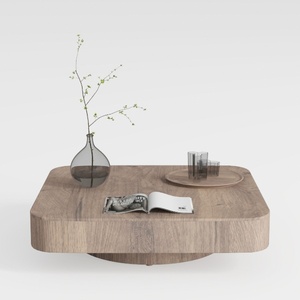
Minimalist Solid Oak Square Floating Coffee Table 3D Model


Minimalist Beige Fabric L Shaped Sectional Sofa with Throw Pillows 3D Model
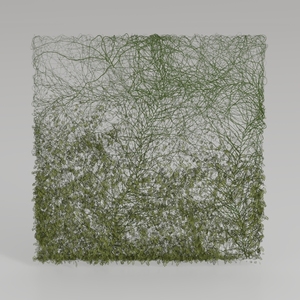
Natural Green Vine Wall Panel Decorative 3D Model
Homestyler is your go-to online home design platform! With its easy-to-use design tools, stunning 3D renderings, and a treasure trove of DIY video tutorials, you can effortlessly create and visualize your dream spaces. Dive into your design journey today!
Projete agora para LIVRE
































