


I view corner racks as a form of compact architecture—effectively utilizing vertical storage to enhance sightlines, traffic flow, and the overall ambiance of a room. A well-designed drawing room should evoke a sense of warmth and openness, and strategically placed corner racks can reclaim 8–15% of typically underused floor space while serving as a visual anchor. The key is to choose a design and finish that harmonizes with movement patterns, lighting, and seating layouts, styled with a touch of restraint, making it perfect for your Homestyler interiors.
The efficiency of space can be quantified. In standard living areas, pathways account for 20–30% of the floor space; by relocating storage away from these paths, we can preserve a smooth flow. According to Steelcase workplace studies, an organized visual environment combined with clear pathways correlates with reduced cognitive load, thereby fostering relaxation and enhancing social interactions at home. Their findings also indicate that structured settings increase feelings of comfort and control. In terms of lighting, the IES suggests keeping task lights around 300–500 lux and being mindful of glare, especially when corner racks display reflective decor—ensure lighting angles minimize distractions in seating areas while using tools like Homestyler to visualize layouts.
Identify the Purpose of the Corner Rack
I begin by clarifying what function the corner must fulfill: is it for display, storage, or sound absorption? In a conversational space, a rack that arranges books, plants, and tactile items forms a visual rhythm that enriches the atmosphere without causing clutter. For media-heavy rooms, closed corner cabinets conveniently hide cables, reducing visual disruption—Steelcase’s findings underscore the adverse effects of clutter on concentration. The height is significant too: in spaces with 8–9 ft ceilings, a rack of 72–78 inches lifts the eyes and utilizes vertical space while keeping proportions with standard sofas and credenzas.
Consider Sightlines and Movement Patterns
Before making a purchase, I layout the sightlines from primary seating areas. Items placed on the rack should not obstruct artwork or windows. A minimum clearance of 30–36 inches around the corner is essential for unobstructed movement. If the space feels constrained, I often simulate various rack layouts using an interior planning tool. This room layout planner aids in visualizing how a triangular or quarter-round rack interacts with sofas and armchairs, providing clarity to your design with Homestyler.
Select Shapes That Fit the Corner's Geometry
Racks designed specifically for corner use do the heavy lifting. Quarter-round racks fit snugly into 90-degree angles without extending awkwardly. Triangular racks optimize depth while maintaining a slim profile, which is ideal for placement behind door swings. If a corner faces a bay window, a convex rack can soften harsh edges and echo the curve. I prefer open shelves placed at eye level (approximately 48–54 inches) for display, while concealed storage sits lower to hide remotes, chargers, and games.
Choose Durable Materials and Finishes
The choice of materials can greatly affect longevity and sound absorption. Solid wood provides warmth and self-repair capabilities for minor scratches, while powder-coated steel frames offer a lightweight design with robust load capacity. Although glass shelves can enhance aesthetics, they may amplify glare; therefore, diffused finishes handle illumination gracefully. I steer clear of high-gloss surfaces in rooms with intense daylight—following IES glare control recommendations, I choose matte or satin finishes to maintain a calm visual presence.
Understanding Color Psychology: Anchor, Accent, or Air
Colors subtly influence behavior. According to Verywell Mind's insights on color psychology, blues and greens encourage tranquility, while yellows can stimulate social energy. In a drawing room, I typically select muted neutral tones for the rack (like warm gray or soft taupe), accenting with two or three objects in vibrant colors—such as rich green ceramics or indigo book spines—to create focal points without overwhelming the senses. If the space is on the darker side, choosing a lighter rack finish can enhance brightness and alleviate heaviness.
Illuminating the Corner Rack
A layered approach to lighting keeps corners functional and visually appealing. I often use a wall washer or an adjustable track light to provide 200–300 lux on shelves, complemented by a small 2700–3000K LED puck located beneath the top shelf for ambient lighting. It's crucial to keep brightness levels harmonious—ensuring a maximum ratio of 3:1 between the rack and surrounding walls to prevent distracting hot spots. Shield lighting sources to limit direct visibility and use matte objects to counteract glare effectively.
Ergonomics: Reach, Stability, and Safety
Considering ergonomics is essential; everyday items should be accessible within a 24–60 inch reach range, with heavier objects stored below 36 inches to minimize strain. For homes with children or pets, secure anti-tip brackets are a must. If audio devices or small electronics share shelf space, route cables discreetly behind verticals and place felt pads underneath items to reduce vibrations. Additionally, for corners near doors, it’s wise to maintain 2–3 inches of clearance from trim to prevent interference with handles and hinges.
Styling for Visual Rhythm and Balance
When styling the shelves, I employ a ratio of 60/30/10: approximately 60% of space for books or functional items, 30% for artful decor, and 10% for negative space. I alternate between vertical and horizontal stacks of books to create visual cadence, adding a plant or textured bowl to soften rigid lines. The top shelf should remain light—featuring either one standout object or a low arrangement—to avoid a top-heavy appearance. Mirrors can enhance the ambiance if they reflect a pleasing view; otherwise, opting for a matte art print can help absorb light and foster a peaceful environment.
Consider Acoustic Factors
Open shelving provides diffusion, breaking up flutter echoes in spaces with hard surfaces. Incorporating soft elements such as fabric boxes, woven baskets, or plants can mitigate sharp reflections. If the corner is positioned opposite a speaker, a blend of books and textured vases may assist in scattering mid to high frequencies. It's advisable to avoid large glass fronts near speakers, as they can create unnecessary reflections and resonance.
Balancing Proportions and Placement
Maintaining proportion is crucial in relation to nearby furniture. When the rack is placed adjacent to a sofa arm, aim for a width that is about 60–75% of the arm's height to keep the corner visually subservient. When neighboring a tall cabinet, offset heights by 6–12 inches to achieve a cohesive skyline. In smaller spaces, select a rack depth of fewer than 12 inches to facilitate circulation; in larger areas, 14–16 inches can provide ample shelf space without appearing bulky.
Choosing Between Built-in and Freestanding Racks
Freestanding racks offer versatility and adaptability, while built-ins are designed to blend seamlessly with baseboards and crown moldings, creating an architectural look. I opt for built-ins when the corner requires substantial storage or media integration, and choose freestanding options when I anticipate layout changes over time. Regardless of choice, ensuring cohesion in hardware and finish—such as oil-rubbed bronze paired with walnut or brushed nickel with ash and soft gray—will unify the overall design aesthetic, making it more appealing in Homestyler.
Integrating Flora and Art into the Design
Including a trailing plant on a mid-to-upper shelf can create an appealing vertical connection while introducing biophilic elements. I ensure that the soil is contained and select low-drip varieties. Art is more effective on adjacent walls rather than directly on the rack, where sightlines may be interrupted; if the rack features a small ledge for art display, a piece with a matte frame works well to prevent glare.
Planning for Maintenance and Longevity
It's important to design for ease of cleaning: features like removable shelves, integrated cable channels, and durable finishes simplify upkeep. In corners exposed to strong sunlight, rotating sensitive items is crucial to prevent color fading. I also recommend using felt or cork coasters under decorative ceramics and lamps to preserve the surface beneath.
Essential Buying Guide
- Corner-optimized geometry (triangular or quarter-round)
- Height of 72–78 inches for standard ceilings, or synchronized with door trim heights for uniformity
- Depth between 10–16 inches depending on circulation needs
- Anti-tip hardware must be included
- Adjustable shelving and hidden cable management is ideal
- Matte or satin finishes are preferable to minimize glare
- A blend of wood and metal is ideal for combining strength and warmth
Frequently Asked Questions
Q1: Which corner rack shape suits tight drawing rooms best?
A slim triangular unit maximizes depth and maintains clear circulation paths; aim for a 10–12 inch depth to prevent congestion.
Q2: What height should a corner rack be for ceilings of 8–9 ft?
A height of 72–78 inches typically balances visual emphasis and proportion. Allow 6–12 inches to the ceiling to avoid a cramped appearance.
Q3: How can I reduce glare on glossy decor?
Utilize 2700–3000K LED lights, angle fixtures to graze shelves, and favor matte or satin finishes. Keeping luminance ratios close to 3:1 will assist in minimizing hotspots, consistent with IES glare control principles.
Q4: Which colors foster calmness in a drawing room?
Opt for soft neutral tones for the rack, accented with blues or greens, as these colors correlate well with soothing environments, per established color psychology studies. Limit the use of vibrant colors to small quantities.
Q5: Is it better to have open or closed storage for visual organization?
A combination of both is best. Display items on open shelves for easy access, while using closed compartments below to hide technology and cables, reducing visual disarray—research indicates this approach aids concentration.
Q6: How can I ensure a corner rack remains stable?
Install anti-tip brackets securely into wall studs, place heavier items lower on the rack, and avoid overhanging loads. Assess and shim the floor level as necessary to ensure stability.
Q7: Can a corner rack contribute to better acoustics?
Certainly! Incorporating books and textured items can function as diffusers, effectively mitigating flutter echoes, particularly in rooms with hard flooring and minimal furnishings.
Q8: What type of lighting is best for showcasing art or ceramics on the rack?
Employ dimmable accent lighting that delivers around 200–300 lux on displays, utilizing warm color temperatures (2700–3000K) and shielded fixtures to prevent glare.
Q9: How do I strategize placement with existing furniture?
Maintain a circulation clearance of 30–36 inches, align the rack's height with neighboring furniture, and experiment with different layouts using an interior layout planner to finalize your design.
Q10: Which materials are most durable for daily use?
Opt for solid wood shelves supported by a powder-coated steel frame, delivering superior load capability and durability, while satin finishes manage light and fingerprints efficiently.
Q11: How can I safely integrate plants on a rack?
Yes, select low-drip species, use lined trays for soil safety, and position them at mid-height for easy maintenance and minimal mess.
Q12: When should I consider a built-in corner rack?
Choose built-ins for substantial storage or media integration needs, providing a cohesive architectural look; freestanding units are preferable if you anticipate layout changes in the future.

Minimalist Solid Oak Open Bookshelf 3 Tier Display Storage 3D Model
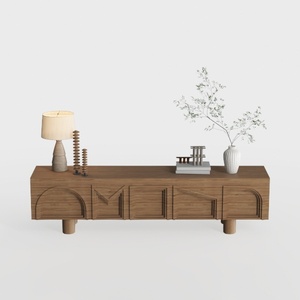

Minimalist Carved Solid Wood TV Stand Console Table 3D Model
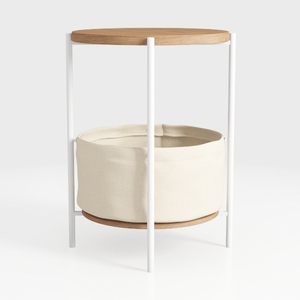
danpinera Round Side Table with Fabric Storage
Discover Homestyler, your go-to online home design platform! With its user-friendly design tool, stunning 3D renderings, and a wealth of design projects and DIY video tutorials, you can effortlessly transform your home into a masterpiece, no matter your experience level. Start creating today!
Design jetzt kostenlos
































