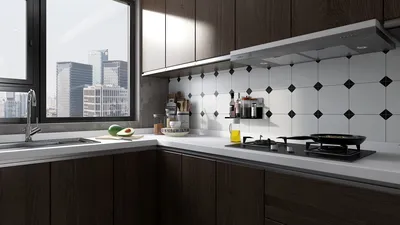


I've designed numerous kitchens, studio apartments, and micro-offices where it's essential to maximize every inch of space. A compact refrigerator featuring an integrated ice maker serves as a clever centerpiece—helping to declutter countertops, enhancing daily convenience, and ensuring drinks are readily available without the need for an oversized standalone unit. Achieving a balance between storage capacity, noise levels, energy efficiency, and ergonomic access is crucial in a limited footprint that harmonizes with the room's aesthetics, especially when using tools like Homestyler for planning.
When it comes to performance and health, even small-scale solutions are paramount. WELL v2 promotes thermal comfort and readily accessible hydration environments; its guidelines suggest strategies to keep inhabitants comfortable throughout the day (see WELL v2). Adequate lighting around refrigerators enhances usability: IES suggests task lighting in the range of 300–500 lux for food preparation, making it easier to see labels and contents while loading or retrieving items (IES standards). In workplace settings, Steelcase research indicates that micro-kitchens facilitate social interactions and short breaks, enhancing overall engagement; positioning compact fridges within 50 to 75 feet of primary work areas tends to foster healthier hydration habits (Steelcase workplace research).
In a recent project involving a small loft of 520 sq ft, we upgraded from a countertop ice machine and an outdated apartment fridge to a compact 24-inch bottom-freezer model with a built-in ice maker. This modification liberated 5 square feet of valuable counter space, enhanced sightlines, and diminished ambient noise by 3 to 4 dB, thanks to improved compressor isolation. We also rearranged storage to prioritize the lower freezer—ideal for ice creation—while elevating the fresh-food section to lessen bending, aligning with ergonomic best practices for frequently accessed items, which can be efficiently managed through tools like Homestyler.
Compact Refrigerator Options to Consider
• 18–24 inch bottom-freezer with integrated ice maker: Provides easy daily access to fresh goods, with ice production situated below to minimize vibration and noise.
• 24 inch counter-depth French door: Offers wider shelf space at eye level while maintaining adequate circulation clearances with its shallow design.
• Under-counter drawer fridge with ice maker: Perfect for galley kitchens and bar areas; drawers help reduce door-swing conflicts in compact spaces.
• Slim column fridge paired with a separate under-counter ice drawer: Delivers modular flexibility in constrained cabinetry scenarios or if you want to divide functionalities.
Understanding Ergonomics and Human Factors
Position the fridge so that the primary handle is accessible within one step from food prep surfaces. Store heavier items between knee and shoulder height to minimize physical strain. For users who are right-handed, a left-hinged door situated near prep counters typically reduces the need for crossover movements. If the doors swing into narrow aisles, opt for models with reversible hinges or drawer-style configurations to ensure a safe minimum aisle width of 36 inches. Waist-height ice drawers can help minimize spill risks when filling pitchers.
Light, Color, and Visual Comfort Considerations
Utilizing bright, neutral task lighting in the range of 350–400 lux can significantly reduce search times inside compact refrigerators without creating glare. Opt for warm-neutral LEDs in the 3000–3500K range to accurately render food colors; steer clear of overly cool lighting that may cause fresh produce to appear less vibrant. In compact kitchens, a desaturated color palette—including soft grays, light woods, and matte finishes—enhances visual calmness, while a single accent color near the beverage area can subtly guide users to hydration zones. According to Verywell Mind's exploration of color psychology, blues are associated with calm and cleanliness, making them ideal for compact beverage areas (verywellmind.com/color-psychology).
Maintaining Acoustic Comfort
Integrated ice makers can produce periodic sounds from cycling and water fills. Aim to choose models rated below 40-42 dBA for living spaces and consider integrating acoustic features with soft-close cabinetry, rubber grommets, and maintaining proper rear clearance as per manufacturer specifications. If the fridge is positioned near a work desk, adding felt cabinet liners or a thin acoustic panel on the adjoining wall can help in reducing reflected noise by approximately 2-3 dB.
Capacity Planning for Small Spaces
For single occupants or couples, choosing a refrigerator with an 8-10 cu ft capacity is usually sufficient. Households that entertain guests may find that 12-13 cu ft along with a slim ice module proves beneficial. It’s wise to categorize storage areas: the top shelf can hold ready-to-eat items, while mid shelves can accommodate fresh produce and hydration needs, and the freezer should be kept for batch cooking and ice. Utilize door bins for frequently consumed beverages to minimize the time the door is open. If space constraints are tight, consider using an interior layout planner to simulate door swings and traffic flow through a room layout tool like Homestyler.
Energy and Water Efficiency Considerations
Modern compact refrigerators with integrated ice makers provide efficient compressors and adaptive defrost features. Look for Energy Star certifications and models equipped with automatic ice shutoff features. For units utilizing a water line, incorporate a small inline filter to enhance taste and prolong the life of the ice maker. For non-plumbed versions, establish a refilling routine: keep a pitcher near the sink to facilitate accessible reservoir filling.
Material Selection and Finishes
Opt for matte or brushed stainless finishes that resist fingerprints in high-contact areas. Consider employing integrated panels to help the unit seamlessly blend in, reducing its visual bulk. Inside the fridge, transparent bins and LED side lighting can mitigate shadowing issues. Ensure durable door gaskets and low-VOC cabinetry in close proximity to avoid the concentration of off-gassing odors in cramped kitchen spaces.
Layout Tips for Micro-Kitchens
• Fridge placement: Situate the unit at the periphery of the kitchen triangle to keep guests from interrupting the cook's path while fetching ice.
• 90-degree beverage corner: Position the fridge door to open adjacent to a beverage shelf, consolidating ice and glassware in one area.
• Galley optimization: Use under-counter drawers aligned with the sink run and a full-height fridge positioned opposite. Model clearances with a layout simulation to verify door swings and traffic: consider using an interior layout planner.
Ventilation and Thermal Management
Compact refrigerators are often housed within tight enclosures. Always adhere to the manufacturer's recommended rear and side clearances to promote adequate heat dissipation; insufficient ventilation can lead to increased energy consumption and shorten the lifespan of the compressor. Avoid installing the unit next to ovens or in direct sunlight. If it's unavoidable, consider adding a low-noise cabinet fan or a small toe-kick grille to facilitate airflow out of the cavity.
Water Line Installation and Routing
For refrigerators with plumbed ice makers, utilize braided stainless steel water lines with shutoff valves that are easily accessible. Route water lines away from heat sources and electrical lines, and conduct a pressure test prior to positioning the unit in place. If the flooring is sensitive, place a shallow leak pan equipped with a moisture sensor underneath to provide early alerts.
Maintenance for Clean Ice Production
Follow manufacturer guidelines for replacing or cleaning filters, typically recommended every six months. Regularly sanitize the ice bin to prevent the buildup of biofilm. Aim to vacuum the rear coils on an annual basis to ensure optimal efficiency. If ice appears cloudy, investigate the water hardness and filter condition, as mineral accumulation is often the culprit.
Design Trends for 2024–2025
Currently trending are slimmer 24-inch French door units, panel-ready facades, and quieter variable-speed compressors. Drawer-style freezers, especially those featuring dedicated ice compartments, are gaining traction among urban residents. Many clients favor concealed beverage stations where refrigerators blend seamlessly into wooden fronts, preserving visual tranquility in open-plan studios.
Frequently Asked Questions
Q1: What is the ideal refrigerator size for a studio apartment?
A1: For one or two individuals, a capacity of 8-10 cu ft strikes a good balance between storage and space efficiency. For those who frequently host, consider opting for a unit with 12-13 cu ft that includes a compact ice maker.
Q2: Do integrated ice makers significantly increase energy consumption?
A2: Only slightly. Contemporary models featuring adaptive defrost technology and Energy Star ratings mitigate any substantial impact. Proper ventilation and routine coil cleaning also help in maintaining low energy use.
Q3: Is a plumbed ice maker superior to a reservoir-based ice maker?
A3: Plumbed systems provide consistent ice production and taste, as long as a quality filter is utilized. However, reservoir models are simpler to install but require regular refilling and cleaning.
Q4: How loud are compact fridges with ice makers?
A4: It's advisable to select models that operate below 40-42 dBA, especially for living environments. Drawer-style units and bottom-freezers tend to manage ice-making noise more effectively.
Q5: Where is the best position for a fridge in a galley kitchen?
A5: Place the full-height refrigerator across from the sink and prep area to ensure a clear aisle of at least 36 inches is maintained. If the door swing is constrained, consider reversible hinges or opt for under-counter drawer units instead.
Q6: What type of lighting enhances usability around a fridge?
A6: Aim for task lighting between 300-500 lux with 3000-3500K LED bulbs, which offer accurate color rendering along with minimal glare, in line with common IES task-lighting recommendations.
Q7: How can I ensure my ice tastes clean?
A7: Utilize an inline filter, periodically sanitize the ice bin, and replace filters every six months. Also, check the water hardness if the ice appears cloudy.
Q8: Are panel-ready fronts beneficial in compact spaces?
A8: Definitely. Panel-ready models enable the refrigerator to visually recede, reducing perceived bulk and maintaining a cohesive cabinet appearance.
Q9: Can a compact fridge effectively support a home bar?
A9: Certainly! Designate door bins for mixers, use a waist-height drawer for ice, and include a small shelf for glassware to create a compact beverage triangle.
Q10: What clearance specifications are needed for proper ventilation?
A10: Always follow the manufacturer's specifications for side and rear clearances; even gaps of 1-2 inches can be important. A toe-kick grille may be necessary if the unit is tightly integrated.



Discover your dream home design with Homestyler! This user-friendly platform offers a powerful online design tool, stunning 3D renderings, and an extensive array of design projects. Plus, enjoy DIY video tutorials that make transforming your space simple and fun. Start creating your perfect home today!
تصميم الآن مجانا
































