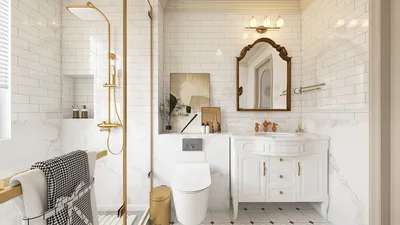


I have discovered that compact living spaces excel when clarity and rhythm are prioritized. Arches, whether functional or decorative, can visually enhance smaller areas by guiding movement and softening stark edges often present in tight environments. In practical terms, a single arched entryway can broaden sightlines and foster tranquility, particularly when it's complemented by well-distributed lighting and a thoughtfully chosen material palette.
The significance of scale and proportion cannot be overstated. Insights from Steelcase highlight that maintaining spatial clarity and visual organization aids cognitive ease and lowers stress levels in professional spaces, principles that equally apply to home environments (Steelcase Research). The WELL v2 framework underlines the importance of minimizing glare and ensuring balanced illumination to elevate comfort and mental wellness; in smaller residences, this entails combining archways with layered lighting solutions and low-glare finishes to maintain an open ambiance (WELL v2). These elements—visual clarity and light quality—form the foundation of a well-designed compact home featuring arches.
The impact of color on perception is significant. According to Verywell Mind’s insights on color psychology, lighter shades can enhance the feeling of space, while warm neutrals contribute an emotional sense of comfort. In my designs, I tend to paint arched openings in slightly warmer tones than the surrounding walls to foster movement and mitigate visual harshness. It's vital to keep contrasts gentle—high contrasts at transitions can hinder sightlines and result in a segmented feel in rooms.
Design Intent: The Role of Arches in Small Homes
Arches play a crucial role in modulating space, guiding movement, and smoothing transitions. They frame views and facilitate visual journeys, which is essential in areas with limited square footage. I utilize three primary forms: arched openings to elongate corridors; arched niches to provide functional storage without overcrowding; and shallow arched soffits to merge different areas such as living, dining, and kitchen spaces. Utilizing an interior layout planner or layout tool can assist in experimenting with arch dimensions, clearances, and sightlines prior to construction: room layout tool.
Spatial Ratios and Flow
Effective arches cater to human dimensions. In tight homes, it is crucial to maintain a clear passage of at least 800–900 mm (31.5–35.4 in); whenever possible, I aim for around 1,000 mm to avoid congestion. For ceiling heights ranging from 2.4 to 2.7 m, a gentle rise of 10–15% above the spring line ensures the curve remains elegant without compromising space. Utilize symmetrical curves for main movement areas, and consider employing shallow segmental arches where door swings or cabinetry could clash.
Light Environment: Illumination and Glare Management
Arches achieve their best potential when paired with layered lighting. The WELL v2 guidelines advocate for reducing glare and achieving balanced brightness; it's advisable to maintain task lighting levels at 300–500 lux in kitchens and 200–300 lux in living areas, using warm to neutral color temperatures (2700–3500K) for comfort. Implementing indirect cove lighting within an arched soffit can evenly illuminate the curve, while wall grazing should be subtle to avoid intense hotspots. Recommendations from the IES emphasize the need for uniformity—steer clear of sudden bright-dark transitions at arched thresholds, as they can narrow perceived width.
Acoustic Comfort in Compact Spaces
Curved designs can disperse sound and diminish flutter echoes, but absorption measures remain essential in small residences. Incorporating felt-lined arched niches, upholstered benches beneath an arched recess, and soft area rugs helps to maintain manageable reverberation times. Arrange hard, reflective materials (such as tile or plaster) away from opposing parallel walls to prevent ringing.
Material Selection: Fostering Authenticity and Easy Maintenance
Select materials that embrace the curvature. Lime plaster or microcement offers seamless continuity over arches, reducing joint lines. When opting for wood trims, ensure a tight radius through laminated bending or segmented arcs; avoid using solid stock if possible. In moisture-prone areas, tiles with bullnose trims give a clean appearance to the curve and resist chipping. Maintain a restrained color scheme: two primary materials plus one accent to minimize visual clutter.
Color Psychology and Visual Harmony
Color should guide the eye without being overwhelming. Light hues on the walls of arched corridors increase the perception of width; a soft, desaturated warm neutral on the arch itself creates an inviting touch. Very compact kitchens benefit from pale, matte cabinetry that reduces glare and visual chaos. Introduce personality with a single accent—like an arched niche in a subtle green or clay shade—that maintains flow without fragmenting the overall appearance.
Ergonomics: Clearances, Edges, and Touchpoints
Ensure rounded edges on surfaces you frequently contact. Arched openings diminish sharp corners at shoulder height, which is especially advantageous in narrow passageways. Place door hardware away from the curve; fasten pulls on adjacent flat areas for ease of use. For built-in seating under an arch, target seat heights of 430–460 mm and seat depths of 480–520 mm; a gentle lumbar support at a back angle of 100–110° feels comfortable without encroaching on space.
Storage Solutions with Arched Niches
Arched niches serve both design and utility purposes. In living rooms, a depth of 300–350 mm can adequately accommodate books and decor without overcrowding. For entry areas, reduce the depth to 150–200 mm for keys and mail. Keep the reveal crisp, finish the inside in a slightly darker shade for depth, and include dimmable LED strips for nighttime visibility.
Kitchen and Bath: Curves in Key Areas
In small kitchens, a shallow arched soffit can conceal ductwork while creating a unified ceiling line. Pair this with under-cabinet lighting of 300–500 lux at 3000–3500K. In bathrooms, an arch over a niche creates a serene backdrop; select slip-resistant tiles and rounded edges on shelves. Ventilation is vital—it's important that curves do not trap humidity, ensuring unimpeded exhaust pathways.
Behavioral Patterns and Spatial Intent
Arches signal behaviors—encouraging a slower pace, indicating passage, and fostering gathering. In compact homes, a single feature arch at the social core (like the dining area or lounge) can establish rituals without the need for walls. I prefer to position circulation along the edges and cluster seating beneath the curve to enhance togetherness. If your furniture layout might change often, consider testing options with a layout simulation tool beforehand: layout simulation tool.
Sustainability and Durability
Construct arches designed to withstand time. Opt for enduring finishes such as mineral paints and lime plasters with low VOC emissions. Design arches that facilitate maintenance—like detachable light channels, accessible junctions, and serviceable trims. Fewer but well-detailed materials typically outlast complex constructions in small homes.
Common Pitfalls to Avoid
- Overly large arches that consume wall storage and disrupt sightlines.
- High-gloss finishes that amplify glare on curved surfaces.
- Excessive curves competing for attention in a limited space—restrict to one or two significant features.
- Overlooking the need for acoustic absorption; arcs alone cannot address echo issues.
- Disregarding ergonomics at entry points and built-in features.
Project Example: A 42 m² Urban Studio
In a 42 m² studio, I introduced a single 1.8 m wide segmental arch between the living and dining areas. A lime plaster finish, 3000K indirect cove lighting, and a muted sand tone on the arch enhanced the perception of volume. Storage was transitioned into two shallow arched niches, each 200 mm deep. The outcome: improved circulation, enhanced acoustics, and a more soothing visual cadence.
Authority Resources
For additional insights into spatial clarity and comfort for occupants, explore the research findings from Steelcase on workspace cognition and the WELL v2 guidelines regarding light and glare. Both provide valuable information applicable to residential designs where compactness amplifies every choice.
FAQ
Q1: Do arches genuinely create an illusion of larger spaces?
A: Absolutely. By framing views and smoothing transitions, arches extend sightlines and decrease visual interruptions, which enhances the feeling of depth in limited areas.
Q2: What is the ideal lighting for an arched entryway?
A: It's ideal to employ indirect, dimmable lighting in the 2700–3500K range. Aim for 200–300 lux in living spaces, avoiding harsh overhead lights that can create glare on curved surfaces, consistent with the glare control principles of WELL v2.
Q3: What should be the width of an arch in a narrow corridor?
A: A minimum clear passage of 800–900 mm is recommended; aiming for 1,000 mm is preferred when feasible. Ensure the curvature does not intrude on shoulder height.
Q4: Can I seamlessly incorporate storage into arches without causing clutter?
A: Yes! Arched niches with depths ranging from 150–350 mm can accommodate everyday items elegantly. Use matte surfaces and a slightly darker color within the niche to add depth.
Q5: Do arches assist with sound control in small homes?
A: Arches can help disperse sound, but you'll still require absorption materials. Utilize upholstered options, soft area rugs, and felt-lined niches for effective reverberation control.
Q6: Which materials suit curved surfaces best?
A: Materials such as lime plaster, microcement, and bullnose tile trims provide durability and aesthetically pleasing lines. For wood, use techniques for laminated bending to prevent cracking.
Q7: How do I strategize furniture arrangement around arches?
A: Ensure clear pathways and anchor seating beneath the arch to develop a social centerpiece. Verify layouts with an interior layout planner for clearance validation: interior layout planner.
Q8: Are arches a concern in areas with low ceilings?
A: Implement shallow segmental arches with minimal rise to maintain headroom. Painting the arch in a color similar to the ceiling can help avoid visual compression.
Q9: What color scheme prevents a small home from feeling cluttered?
A: Limit your palette to a duo of main neutrals and one accent. Keep contrasts soft surrounding arches to maintain flow and avoid chopping up visuals.
Q10: Do arches complicate maintenance?
A: Not when planned effectively. Select durable, low-VOC finishes, create accessible lighting channels, and avoid overly complicated trims that are difficult to repair.


Homestyler is an amazing online home design platform that makes creating your dream space simple and fun. With its user-friendly design tool, stunning 3D renderings, and extensive DIY video tutorials, you can easily explore various design projects and transform your ideas into reality.
Design Now for FREE
































