

Incorporating a king-size bed into a compact bedroom may seem like a contradiction in terms, yet with meticulous planning, creative storage solutions, and a cohesive color scheme, it can definitely be done. From my perspective, the most successful rooms utilize every square inch effectively: utilizing the space beneath the bed for storage, maximizing vertical space on walls smartly, and employing layered lighting to enhance the room's feel.
Begin with establishing clear priorities based on research. Studies from Gensler indicate that environments that are comfortable and well-organized can significantly enhance effectiveness; this concept applies at home for improved sleep and daily routines. The WELL v2 framework also stresses the importance of quality lighting and glare reduction for creating restorative environments, defining ideal lux levels for bedrooms as approximately 100–300 lux for ambient light and 300–500 lux for task lighting. These standards can inform your lighting strategy, allowing your smaller space to exude tranquility rather than confinement. For more insights, explore the WELL framework at wellcertified.com.
When it comes to ergonomics, ensuring proper clearances is far more important than aesthetic ornaments. According to Steelcase's findings, there's a strong link between human performance and ergonomic efficiency; in a bedroom, this means maintaining safe pathways around the bed and easy access to switches, outlets, and bedside storage. Aim for a clearance of at least 22–24 inches (560–610 mm) on the main side; if comprehensive clearance isn’t achievable, prioritize high-traffic areas. A slim headboard, raised nightstands, and integrated lighting reclaim valuable inches without compromising comfort.
Begin with the Bed as Your Centerpiece: Design the Surroundings
With a king bed, it serves as the focal point. Opt for a low-profile base (around 8–10 inches in height) to give an airy feel and maintain sightlines above windows. Avoid substantial footboards that can make the space feel cramped. Consider a wall-mounted headboard that’s only 1–1.5 inches thick for comfortable support without altering space dimensions, while also adding a clean line that visually expands the room.
Determine the Optimal Layout for Your Space
Accurately measure the entire room, taking into account door swings, window heights, radiator or HVAC space, and closet encroachments. In long, narrow rooms, center the bed on the longest wall to allow for balanced movement. In square rooms, position the bed against the wall opposite the entry for a serene sightline upon entering. To experiment quickly and avoid potential pitfalls, utilize a layout simulation tool like Homestyler to visualize furniture and movement paths before any heavy lifting occurs.
Zone the Area with Illumination Rather than Cumbersome Furniture
Employing diversified lighting setups can create a sense of spaciousness and adaptability in smaller rooms. Target approximately 150–200 lux for ambient lighting using dimmable ceiling or wall fixtures, and complement this with 300–500 lux task lights for reading. Opt for warm-white LEDs (2700–3000K) for a peaceful ambiance. Wall sconces with slim backplates conserve space, and plug-in models are ideal for rental situations. Introduce a soft, indirect cove light or LED strip (CRI ≥ 90) to give the illusion of height, connecting all light sources to several distinct settings: a relaxing wind-down mode (dim and warm), a bright reading scene, and a moderate morning lighting scenario.
Maximize Storage Options in Elevated, Overhead, and Integrated Spaces
In a compact area, utilizing vertical volume becomes crucial. Consider a lift-up platform bed or options with deep drawers, as many king platforms provide 10–13 inches of internal height ideal for storing seasonal linens or extra bedding. Flanking the headboard with wall-mounted cabinets or floating shelves measuring 9–12 inches deep keeps pathways clear. Overhead bridging units should range between 12–14 inches in depth and incorporate under-cabinet lighting—ensuring the bottom remains at least 48 inches above the mattress height to avoid a cramped atmosphere.
Refine Your Palette and Materials to Influence Perception
Research in color psychology suggests muted, low-saturation shades can foster a serene sleeping environment. Hues like blues and greens are often tied to a sense of calm and a reduced heart rate. Keeping walls and ceilings within a close tonal range minimizes visual disruptions. Utilize a slightly darker flooring or rug to stabilize the design, and repeat a single accent color in three small elements (such as art or decorative pillows) to create harmony. Opt for matte finishes on walls (with a sheen of ≤ 10) to decrease glare, while a soft headboard fabric enhances both comfort and acoustics.
Scale Nightstands and Consider Access Zones
When space is limited, select nightstands that are 12–16 inches wide, mounted at the level of the mattress to free up floor area and create an illusion of space. Integrating pulls into drawer fronts can help avoid snags. If only one side allows for a clear path, a single, longer floating shelf can be combined with a narrow lamp or wall sconce to minimize the footprint.
Strategically Use Mirrors for Impact
Positioning a full-height mirror opposite a window can magnify natural light and visually extend the far wall. Keep the mirror frame slender and reach the floor for maximum vertical elongation. Avoid overwhelming the space with mirrors; a standout piece alongside a smaller reflective accent, like a brushed metal lamp, can elevate the perceived volume without cluttering the visual experience.
Enhancing Acoustic Comfort in Solid-Walled Spaces
Smaller bedrooms tend to be more susceptible to noise. To improve sound absorption, incorporate a plush area rug, a fabric headboard, lined curtains, and an upholstered bench. Creating a soft background—using thick, layered draperies—effectively reduces echoes and can positively impact sleep quality by dampening external noise. Additionally, implement soft-close hardware to minimize nighttime disruptions.
Select Closet Doors and Hardware Wisely to Save Space
Replace traditional swinging closet doors with low-profile sliding or bifold doors to recover 24–30 inches of floor space. When feasible, opt for pocket doors. Choose linear pulls or inset channels to prevent collisions in confined areas. For entry doors, consider reversing the swing or converting to a space-saving barn-style track without sacrificing privacy or code compliance.
Embrace Quality Textiles: Less is More
Interestingly, larger textiles can contribute to an illusion of increased space in smaller rooms. Opt for a rug that extends at least 24 inches beyond the sides and foot of the king bed, or use two runners along each side in particularly tight settings. Keep bedding simple with one duvet, two sleeping pillows, and two shams; an excess of layers creates visual clutter.
Install Smart Outlets and Controls in Convenient Locations
Position outlets 8–12 inches above the finished floor for easy access behind nightstands; include a combination of USB-C/USB-A outlets or a small recessed charging point. Ensure that reading light switches are located within arm’s reach at about 6–8 inches above the top of the mattress, allowing for easy operation without having to sit up. If rewiring isn’t practical, consider using cord channels and adhesive raceways to keep cords organized.
In the Case of a King Bed Being a Must: Sample Micro-Configuration
- Bed: A low platform king bed centered along the long wall, adjusted slightly off-center if needed to widen the main path.
- Nightstands: 12-inch wall-mounted shelves; one side may be reduced to between 8–10 inches with a narrow sconce.
- Storage: Incorporate a lift-up bed base and a 12-inch deep bridging cabinet above the headboard, equipped with down lighting.
- Lighting: Position two wall sconces (2700–3000K), along with a dimmable flush mount ceiling light and a hidden LED cove light along the window wall.
- Color: Utilize desaturated sage for walls, an off-white ceiling, natural oak details, and a charcoal rug framed underneath the bed.
- Mirror: Adjacent to the window, include a full-height panel to reflect light inward.
Avoid These Common Pitfalls
- Oversized headboards or footboards that occupy valuable circulation space.
- High-gloss finishes that can exacerbate glare in smaller areas.
- Tiny lamps on bulky nightstands; either reduce their scale or opt for wall-mounted lamps.
- Disregarding vertical storage; utilize the wall plane to maximize square footage.
- Forgetting to include dimmers; static lighting diminishes the ambiance and overall feel of the room.
FAQ
Aim for clearances of 22–24 inches on the main walking side. If achieving perfect symmetry is not feasible, focus on the entry side and the access path to closets or bathrooms.
Strive for an ambient lighting level of around 150–200 lux and ensure 300–500 lux for task light at the bedside. Utilize warm 2700–3000K LEDs and implement dimmers to adjust mood and minimize glare.
Certainly, assuming the gas lifts are of high quality and the slat support system is sturdy. They afford ample volume (often between 10–13 inches in height) for linens and off-season clothing.
Definitely—limit bold elements to one accent wall or textile while maintaining a low-contrast overall palette. This approach aids in preserving a tranquil atmosphere and preventing the room from feeling visually confined.
Install a single, extensive floating shelf on one side and pair it with a wall light. If space is limited on one side, consider integrating a pocket in the headboard for storing books and phones.
Use mirrors judiciously. A full-height mirror positioned opposite a window or at a diagonal to oncoming light can enhance depth perception; overly abundant reflective surfaces may lead to discomfort and clutter.
Enhance the room's acoustics by including a thick rug, a plush headboard, lined curtains, and soft bedding layers. These additions can diminish sound reflections and enhance sleep quality.
Yes, but ensure that the fan is low-profile and well-balanced with a compact light kit. Verify there’s adequate clearance from the closet doors and position controls within easy reach from the bed.
Ideally, select a rug that extends about 24 inches beyond the sides and foot of the bed. In cases where this isn't possible, using two runners along the sides can keep feet off cold floors.
Utilize wall-mounted nightstands featuring built-in cable cutouts, adhesive raceways painted to align with the wall, and place a recessed outlet with USB connections near the headboard.
Maintain a slender profile—around 1–1.5 inches if wall-mounted, and 2–3 inches if freestanding. Upholstery provides comfort while conserving floor space.
Certainly, reposition art to side panels or select a shallow framed textile under the bridging unit, ensuring at least 48 inches of clearance above the mattress to maintain an open feel.

GOKOTTA California King Sheet Sets, 100% Tanboocel

Casper Sleep Original Foam Hybrid Mattress, Full
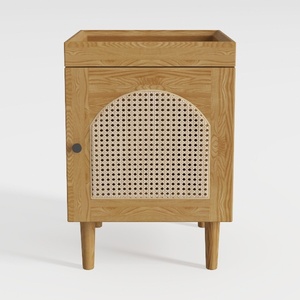

Bedside Table Bedroom Furniture Storage Bedside
Discover the joy of home design with Homestyler! This user-friendly platform offers a robust online design tool, stunning 3D renderings, and an impressive collection of design projects. Plus, enjoy DIY video tutorials that make crafting your dream space fun and accessible. Transform your home effortlessly!
Progetta ora GRATIS
































