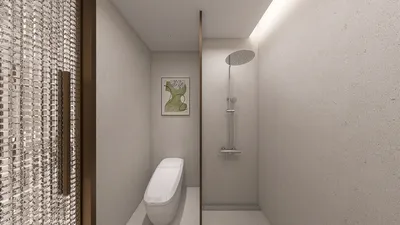


Throughout my career, I have crafted numerous space-efficient two-story homes, ensuring that every square foot serves a purpose. The distinction between a cramped feeling and a thoughtfully designed space lies in spatial proportions, effective daylight management, clear circulation, and the use of materials that maximize functionality. In smaller dimensions, vertical planning becomes essential: combine functions, reduce service areas, and open up social zones. When executed correctly, a two-story design can appear 15–25% larger than what its footprint suggests, thanks to visual continuity, layered lighting, and versatile furniture arrangements. Utilizing tools like Homestyler can further enhance this design process.
The perception of space is heavily influenced by daylight and sight lines. WELL v2 guidelines suggest a minimum illumination of 300 lux for frequently occupied areas to promote visual comfort and circadian health; my goal is to maintain ambient lighting within the range of 300–500 lux, using warm-neutral color temperatures of 2700–3500K for peaceful evenings while ensuring good task visibility. Research from Steelcase connects visual accessibility and control with enhanced focus and wellbeing, showing that proper brightness and clear vistas can lighten cognitive burdens. For precise adjustments in each room, employ multiple circuits and dimming options to transition smoothly from bright morning light to a soothing evening atmosphere.
Traffic flow within a home holds equal importance. Studies by Herman Miller demonstrate that clear and concise pathways minimize small disruptions that accumulate into fatigue; in domestic settings, this translates to direct, unobstructed routes connecting the kitchen, dining area, and living room, supported by a streamlined service core for storage, laundry, and utilities. When dealing with limited space, utilizing an interior layout planner can aid immensely in simulating sight lines, furniture arrangements, and daylight access prior to construction, making tools like Homestyler invaluable.
Core Principles for Compact Two-Story Living
• Optimize and streamline: Align wet areas (kitchen, bathroom, laundry) to minimize runs and maximize storage space. Position the staircase along the thermal/service spine to consolidate both structural and utility needs.
• Embrace height: Introducing double-height spaces (even modest 1.5-story openings above staircases) provides vertical relief and increases natural light without sacrificing usable floor area.
• Ensure visual flow: Adopting uniform flooring tones and base heights throughout the home creates a seamless connection between rooms, minimizing visual breaks. Maintain a width-to-length ratio of 1:1.6–1:2 in living spaces for balanced proportions that facilitate furniture arrangement.
• Invest in adaptable furniture: Select nesting tables, extendable dining options, and storage benches. Integrate storage solutions into stairs and along knee walls to capitalize on narrow spaces.
First Floor: The Social Hub with Clear Movement
I prioritize an expansive living-dining-kitchen area that features a single circulation route avoiding interruptions in conversation areas. The living room should span 12–14 feet to comfortably accommodate 4–5 individuals without feeling cramped. Position the dining table centrally to facilitate daily use; it can be moved laterally to accommodate larger gatherings. A compact L-shaped kitchen with a 36–42 inch island offers ample prep space and seating without constraining pathways—NKBA guidelines suggest a minimum of 42 inches for single-cook and 48 inches for multi-cook aisles to maintain elbow room in smaller areas.
Incorporate a powder room and storage solutions along the service spine. When space is limited, consider pocket doors or full-height swing doors with hidden tracks to maintain clean aesthetics while optimizing space. A set-back of 4–6 inches for built-in cabinetry can conveniently hide coats and cleaning supplies, contributing to an uncluttered entryway.
Second Floor: A Space for Rest, Focus, and Calm
Bedrooms are best designed with soft, low-gloss finishes that minimize glare and foster a restful environment. Ensure door swings are clear of bed corners and allow for a minimum of 24 inches on each side for easy movement. In smaller main suites, replace a bulky dresser with a reach-in closet system featuring double hanging rods and pull-out trays; vertical storage is more effective than horizontal furniture in constrained spaces. If a full office cannot fit, a small study nook on the landing, equipped with task lighting at 300–500 lux and low-reflective surfaces, can help manage glare.
Stair Design: The Essential Connector
The stairs dictate the rhythm of the home. For compact designs, a straight run with an intermediate landing is usually safer and more accommodating for furniture movement than winding stairs. Target risers of 7–7.5 inches and treads of 10–11 inches for ergonomic comfort. If building codes permit, a slim open riser can maintain light flow; alternatively, a solid tread complemented by a thin, open balustrade keeps sight lines open. The area beneath the stairs can be cleverly utilized for a pantry, linen storage, or a micro-office. Room design visualization tools, like Homestyler, assist in testing movement and furniture pathways.
Lighting Strategy: Layering for Depth
To enhance smaller rooms, it’s crucial to layer ambient, task, and accent lighting effectively. IES recommendations indicate that task areas, such as kitchen counters, benefit from higher illuminance, while ambient lighting should remain uniformly lower. I opt for 90+ CRI fixtures in kitchens and bathrooms for precise color rendering, while 2700K lamps are reserved for living spaces to maintain warmth in the evenings. Avoid singular fixtures; instead, employ perimeter lighting with wall-wash trims to enhance perceived width by illuminating vertical surfaces.
The Psychology of Color and Material Use
Utilizing color is pivotal in spatial design. According to Verywell Mind, cooler shades are associated with tranquility and a sense of spaciousness; hence, I choose desaturated cool neutrals for larger areas and reserve bolder colors for movable decor. Matte to eggshell finishes help diminish glare, giving the illusion of extended corners. For flooring, a continuous mid-tone wood or durable laminate decreases visual disruptions. Subtle textures or vertical ribbing on walls adds depth without overpowering the interior. Maintaining low-contrast trims helps soften edges; in spaces with low ceilings, lighter caps and soft crown molding can elevate visual interest by reflecting light.
Sound Management in Compact Spaces
Smaller homes often amplify noise. It’s important to strike a balance between sound absorption and diffusion: upholstered seating, curtains, and area rugs absorb sounds, while bookshelves and slatted panels can help diffuse them. Position soft finishes opposite to hard surfaces to prevent echoing in tight areas. Bathrooms and kitchens should incorporate resilient underlayment under tiled floors to minimize footfalls. For stairs, closed risers with rubber inserts can effectively reduce sound impact without taking up extra space.
Invisible Storage Solutions
Effective storage is often out of sight until needed. Full-height cabinets that reach the ceiling eliminate dust ledges and visually extend walls. For bedrooms, utilize pocket-sized niches (4–6 inches deep) for bedside storage, avoiding the need for bulky furniture. A shallow utility closet on the landing provides seasonal storage; the second floor frequently offers ideal spaces for linen cabinets above bathrooms.
Window Placement, Glare Control, and Privacy
Aim for eye-level vistas and balanced window sizes. Stagger windows to avoid direct lines of sight into neighbors’ homes, and consider top-lit slots or clerestories when facing tight boundaries. Manage glare with layered window treatments, such as sheer rollers for daytime filtering and opaque drapes for the evening. Ensure window head alignments across facades to maintain visual harmony; consistent interior alignment conveys calmness and thoughtfulness.
Expanding Outdoor Living in Compact Spaces
Even a small terrace can significantly enhance the functionality of a living space. Align exterior flooring with interior layout to prolong sightlines. Planters that are 24–30 inches deep can frame views and offer privacy without constricting the area. If climate permits, a covered entryway or micro-porch can serve as an ideal area for entertaining.
Sustainable Practices for Efficient Spaces
Opt for low-VOC finishes and durable materials that naturally age well, decreasing the need for replacements. Incorporate operable windows on opposite walls to encourage cross-ventilation, and choose energy-efficient LED lighting to meet energy targets with fewer fixtures. Streamline mechanical runs to diminish soffits and maintain ceiling height. When possible, implement multifunctional elements (for instance, a media wall integrated with HVAC returns) to keep systems organized.
Room-by-Room Layout Strategy
• Living: 12–14 feet wide, layered lighting, nesting tables, and keep media on shorter walls to maintain a streamlined depth.
• Dining: Center an extendable table within circulation paths, ensuring at least 36 inches from walls for chair clearance.
• Kitchen: Minimum of 42–48 inch aisles (per NKBA), with 18–24 inch landing zones on cooking sides, combined with high-CRI task lighting.
• Entry: Built-in seating with flip-up storage, a 12–16 inch deep closet, and recessed millwork to keep hallways clear.
• Bedrooms: Allowing at least 24 inches for movement on both sides of the bed, use integrated headboard storage solutions with low-gloss finishes.
• Bathroom: Align plumbing stacks, incorporate mirrored cabinets for depth, and utilize warm 3000K lighting to flatter skin tones.
Design Process Overview
My approach begins with massing studies to determine sightlines and sunlight exposure, followed by adjusting layouts to streamline service areas while enhancing communal spaces. After establishing a clear circulation loop, I fine-tune lighting systems to hit 300–500 lux levels and utilize layout simulation tools like Homestyler to verify furniture clearances. Material selection integrates the overall design: consistent palette, matte textures, and built-in storage together create a serene, open feel within a compact layout.
Frequently Asked Questions
Focus on maintaining clear circulation, using consistent materials, and implementing layered lighting schemes. Use vertical design elements, such as partial double-height areas above staircases and clerestories, to enhance spatial perception while keeping a unified flooring finish to minimize visual interruptions.
For living areas, aim for ambient lighting between 300–400 lux with warm-neutral tones at approximately 2700–3000K. For dedicated tasks like kitchen and desk work, target 300–500 lux with high CRI lighting to comply with WELL v2 recommendations and IES standards.
The NKBA suggests 42 inches for single-cook spaces and 48 inches for shared cooking areas. In highly compact kitchens, maintain a minimum of 42 inches and avoid protruding handles to optimize clearance.
A straight stair run with an intermediate landing provides enhanced safety and mobility for furniture. Aim for risers between 7–7.5 inches and treads of 10–11 inches for improved comfort.
Utilize desaturated cool neutrals (such as soft grays and light greens) on expansive surfaces, with low-contrast trims to soften edges. Employ matte finishes to limit glare and save bright colors for movable accents.
Mix sound absorption materials (rugs, upholstered furniture, and drapery) with diffusion solutions (bookshelves and slatted screens). Incorporate resilient underlayment under hard flooring and design stairs with closed risers to diminish sound impact without increased bulk.
Implement solutions like ceiling-height cabinetry, recessed shelving, integrated stair storage, and consolidated service spines. Use full-height storage to eradicate dust accumulation and enhance the visual appeal of walls.
Strategically stagger windows to prevent direct neighbor views, include clerestory windows for tight lots, and keep window heads aligned for a cohesive aesthetic. Layer sheer and opaque window coverings for effective glare management and privacy at night.
It isn't strictly necessary; semi-open layouts with framed openings can preserve acoustic separation while also maintaining sightlines. Consistent flooring design can visually connect different spaces.
Modeling furniture placement, circulation paths, and lighting strategies using a room layout tool like Homestyler can quickly help identify potential tight spots and ensure an efficient design.
Select mid-tone continuous flooring, low-VOC matte wall finishes, and durable laminate or wood products to ensure longevity. Subtle textures should be favored to prevent visual clutter.
Keep task lighting on separate circuits with enhanced output; while ambient lights should be on dimmers, allowing for tailored brightness settings that suit morning activity and evening relaxation without overwhelming illumination.
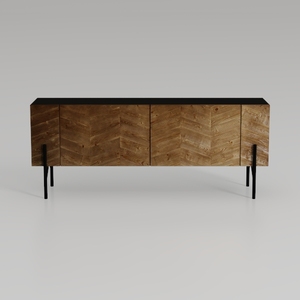
Diya Forged Bronze Finish Console Cabinet - 3D
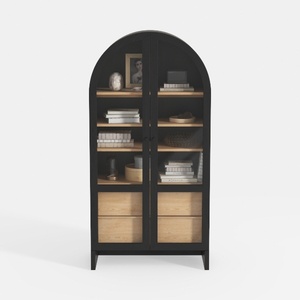
Modway Evie Arched Display Cabinet in Black Oak -
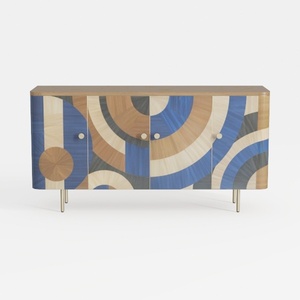
Tribesigns 63'' Farmhouse Sideboard Buffet Cabinet
Homestyler is a fantastic online home design platform that empowers you to create stunning spaces effortlessly. With its easy-to-use design tool, impressive 3D renderings, and a wealth of DIY video tutorials, it's perfect for anyone looking to transform their interiors with creativity and confidence.
Progetta ora GRATIS
































