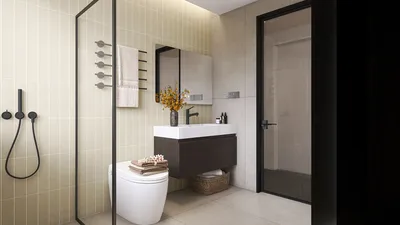


As we look towards the future, tiny home designs provide a glimpse into a lifestyle that prioritizes efficiency and intentional use of space. With statistics from the AIA and NAHB indicating a rising demand for adaptable and high-efficiency layouts, even as budgets and space restrictions tighten, my clients frequently express concerns such as storage issues and zoning challenges during our design discussions. I envision homes transforming into tools for spatial reasoning, where every square foot translates into meaningful choices. To me, tiny living isn’t just about size; it’s about precision and purpose.
Rail-Car Studio Spine
Design Concept: A linear arrangement positions cooking, dining, lounging, and sleeping areas in a streamlined format—no interruptions or delays. This layout caters to remote workers and advocates for sustainable living, condensing service systems along a single wall to facilitate future upgrades, reminiscent of the capabilities offered by Homestyler.
Flow: The layout flows seamlessly from the entryway into a galley kitchen, leading to a fold-down table node, a lounge area, and a sleeping alcove, with the bathroom conveniently located at the back to maintain efficiency.
Sightlines: Upon entering, an uninterrupted sightline extends to a windowed end, enhancing spatial awareness and minimizing visual distractions.
Storage: Overhead lockers function as accessible storage; additionally, toe-kick drawers and a full-height pantry serve to keep overflow organized and out of the main area.
Furniture Dimensions: The design incorporates 24-inch deep modules, ensuring a minimum walkway of 30 inches, and features a queen-sized Murphy bed at dimensions of 60 by 80 inches with a compatible flip-desk space.
Verdict: This carefully structured layout is built to last, allowing for solar installations and appliance upgrades while keeping the design logic consistent for five years of flexible living.
save pin
Core-and-Ring Micro Loft
Design Concept: A centralized utilities core, including the bathroom and storage, forms the heart of the layout, with living spaces arranged in a circular formation that can adapt to different activities throughout the day.
Flow: You can navigate a 360-degree path around the core: entering through a gear wall, proceeding to a kitchen peninsula, lounging nearby, and finally accessing the sleeping mezzanine via a ship ladder.
Sightlines: The core helps to reduce visual clutter; diagonal connections lead to clerestory windows, adding depth to the space akin to layers in a user interface.
Storage: The walls surrounding the core are optimally designed with deep integrated shelving and sliding compartments for organized storage, with a seasonal bin loft for less frequently used items, keeping essentials easily accessible and excess stored efficiently.
Furniture Dimensions: There’s a clearance of 18 inches at the peninsula, with a primary circulation area of 36 inches, and the mezzanine mat measures 54 by 75 inches to maintain a comfortable headroom space.
Verdict: This circular layout operates like software tabs, allowing for easy context shifts without needing to rearrange the entire space, and future additions can integrate with the core without complication.
save pin
Diagonal Cross-Flow Cabin
Design Concept: By cutting the design on a diagonal, doors and windows are placed at opposing corners, facilitating balanced ventilation and creating a sense of expansion within the space.
Flow: The layout begins at a corner entry, leading into an angled prep area, then a lounge set positioned on a 30-degree axis, accompanied by a sliding partition to a flexible sleep/work area, with a bathroom tucked into a perpendicular area.
Sightlines: The diagonal design elongates the perceived space, while glazing at the far corner draws the eye, enhancing the overall aesthetic.
Storage: Wedge-shaped cabinets take advantage of triangular spaces, and ceiling rail baskets provide additional lightweight storage options.
Furniture Dimensions: The custom trapezoid sofa features a 64-inch front edge, while a drop-leaf table fits neatly into the angle, and a wall bed has a 78-inch diagonal clearance for comfortable movement.
Verdict: This innovative geometry enhances atmosphere and airflow for years to come, creating a sense of spaciousness that transcends physical dimensions due to the strategic layout.
save pin
Final Thoughts
Tiny home floor plans are not mere compromises; they function like sophisticated operating systems where space circulation serves as essential coding and storage equates to memory management. Within this compact environment, decisions regarding small house layouts and micro apartment designs become pivotal in maximizing time, privacy, and natural light. The most effective compact designs operate similarly to adaptive interfaces, evolving not through added square footage but through refined design principles. From my perspective, homes that seem most equipped for the future are those in which each inch serves a purpose, and every purpose has room to adapt, making tools like Homestyler invaluable in visualizing these transformative spaces.
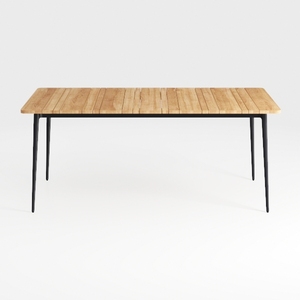
Modern Minimalist Solid Wood Metal Dining Table 3D Model

Modern Leather Upholstered King Size Bed With Metal Frame 3D Model

Minimalist Solid Oak Square Coffee Table 3D Model
Looking to transform your home? Homestyler offers a user-friendly online design tool and stunning 3D renderings that inspire creativity. Explore numerous design projects and learn through engaging video tutorials. It's the perfect platform for turning your ideas into beautiful spaces effortlessly!
立即免费设计
































