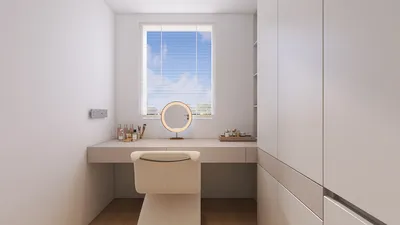


I have crafted numerous compact two-storey homes where maximizing every inch is essential. The most efficient designs strike a harmonious balance between space optimization and comfort, incorporating natural light, ergonomic flow, and adaptable living spaces to seamlessly accommodate everyday activities. In these compact designs, utilizing vertical space effectively allows for stacking functions, harnessing light, and creating small delightful moments across two levels, especially with the help of tools like Homestyler for visualization.
The organization of space significantly influences overall wellbeing. According to WELL v2 guidelines, having access to natural light while controlling glare is vital for visual comfort and circadian health. This is evident when staircases act as light channels, bringing daylight deep into the home layout. Additionally, research by Steelcase highlights how changing postures and having varied working zones enhance productivity and reduce fatigue; consequently, small homes with multi-functional areas—like a dining nook that easily converts into a workspace—demonstrate improved daily performance.
In small homes, the amount and quality of daylight are crucial. I aim for a light range of 300–500 lux in living spaces during the day, complemented by warm-to-neutral color temperatures of 3000–3500K for evening relaxation, aligning with the recommendations from the IES for residential environments while prioritizing visual comfort. Adjustable lighting options such as dimmers and layered fixtures can make small spaces feel more expansive by tailoring the atmosphere to various activities.
Main Floor: Open Core with Smart Transitions
On the ground level, it's vital to maintain clean circulation paths. Start with a compact entry featuring built-in seating and storage, leading to a clear axis among the kitchen, dining, and living areas. I prefer an L-shaped kitchen that integrates with the dining area, where a peninsula can serve as both a breakfast bar and a place for work tasks. When arranging furniture, ensure there is a 900–1000 mm primary walkway and 600–800 mm of secondary space to facilitate movement; these measurements promote ease of navigation without compromising on seating options. If you're experimenting with layouts, using room design software like Homestyler can help you visualize various scenarios before finalizing decisions.
Stair as Light Anchor
In compact designs, staircases do more than provide connectivity between floors—they also enhance light flow, visibility, and sound management. A straight staircase positioned along a party wall maximizes usable floor space. Adding a skylight or high window at the landing draws natural light to both stories. Solid risers with enclosed stringers support sound separation, while open balustrades maintain expansive sightlines. If storage space is limited, consider installing deep drawers beneath the lower steps and utilize the underside for a coat closet or pantry.
Flexible Living and Dining
The most effective small living rooms can adapt between different functions like media consumption, conversation, and occasional work. Opt for a two-seat sofa and armless lounge chairs for easy reconfiguration, and replace bulky coffee tables with nesting tables. To promote visual calm, ensure low pattern density on large surfaces—favoring textured weaves and matte finishes that softly absorb light rather than reflecting it harshly. Wall colors in gentle neutral greens or warm greys promote relaxation, as color psychology suggests that muted greens enhance tranquility, making them ideal for multifunctional spaces.
Kitchen Strategy: Compact, Efficient, Social
Ensure that the work triangle remains tight yet safe: a total walking perimeter of 1200–2400 mm around cooking zones should feel comfortable. Where ceiling height allows, extend upper cabinetry to the ceiling to eliminate dust ledges and increase storage capacity. In small kitchens, consider acoustic elements—selecting induction cooktops can significantly reduce burner noise, contributing to a quieter environment on the main floor. Employ 3000K task lighting beneath cabinets for warm clarity during meal preparation during the evening and install 3500K ambient lighting for active cooking during the day.
Upper Floor: Private, Quiet, and Adaptable
On the upper floor, focus on areas meant for sleep, study, and storage. Bedroom layouts benefit from positioning the bed wall to face the entryway, allowing for intuitive sightline control. Aim for 700–800 mm of clearance around beds where feasible, and consider wall-mounted reading lights in cramped spaces to free bedside surfaces. If a small office is necessary, think about incorporating pocket doors or sliding partitions—ensuring acoustic isolation with weather stripping and heavy curtains to mitigate noise. Observations from Steelcase and Herman Miller emphasize the benefits of posture changes; including a compact sit-stand desk can help maintain energy levels during concentration tasks.
Bathrooms: Light, Layout, Longevity
In compact upper-floor bathrooms, opt for showers over bathtubs unless bathing needs dictate otherwise. A 900 x 1200 mm shower with clear glass can keep the space looking open and airy. Ventilation should be quiet—ideally under 1.0 sones—to avoid noise fatigue. Application of light-reflectance values (LRV) ranging from 60–80 on wall finishes enhances available light without glare, and pairing this with 2700–3000K mirror task lighting will provide flattering illumination for grooming.
Storage Tactics That Don’t Eat Space
Every small two-storey residence needs discreet storage solutions. Integrating under-stair pull-outs, headboard niches, window bench drawers, and full-height utility walls in hallways can keep floors uncluttered. Utilize vertical spaces above doors for shallow shelving and store seasonal items in labeled bins; a combination of closed storage and display can maintain visual order while adding character to the home.
Acoustic Comfort Across Two Levels
Noise can easily infiltrate small homes. It is advisable to zone louder areas—like kitchens and media spaces—on the ground floor while keeping bedrooms located upstairs, separated by buffers. Utilize rugs, upholstered furniture, and fabric wall panels to absorb mid- to high-frequency sounds. Solid-core doors typically offer superior performance compared to hollow alternatives; even a modest 3–5 dB reduction can significantly enhance comfort in tightly designed homes. For open staircases, consider a runner with a dense underlay to mitigate footfall noise, allowing light to flow freely.
Material Selection and Sustainability
Choosing durable, low-VOC finishes contributes to clean indoor air and simplifies maintenance. Engineered wood flooring performs well across both levels, paired with wool or recycled fiber rugs. In wet areas, choosing slip-resistant porcelain tile enhances safety. I favor matte, warm finishes such as brushed nickel, blackened steel, and oiled wood for their ability to reduce glare while establishing a grounded aesthetic. For new material selections, consult a vetted library or material research database to guarantee performance and sustainability credentials.
Light Environment: Layered, Tunable, Human
Integrate daylight with three distinct layers of artificial lighting: ambient (ceiling or cove), task (under-cabinet, reading, desk), and accent (wall washers or picture lights). Maintain evening lighting at temperatures of 2700–3000K to foster a restful environment, and utilize tunable fixtures whenever possible. Controlling glare is vital in compact rooms, as matte finishes, shielded light sources, and dim-to-warm LED lights can reduce visual strain. In stairwells, implementing indirect uplighting along handrails enhances safety and maintains a pleasant atmosphere in adjacent areas.
Color Psychology: Small Scale, Big Impact
Compact homes respond well to gentle color rhythms, utilizing calm tones—soft sages, dusty blues, and warm neutrals—as expansive backdrops. Introducing saturated accents through smaller elements—like cushions, artwork, or painted doors—adds character without overwhelming the space. Cooler shades can create the illusion of spaciousness, while warmer accents invite interaction in dining and living areas. Keeping ceilings lighter can visually elevate height; consider applying a subtly deeper hue on stair walls to anchor the vertical experience.
Spatial Ratios and Visual Balance
Achieve a balance between solids and voids: aim for 60–70% wall coverage with storage or artwork in living areas, leaving 30–40% open to give the eyes a rest. In narrower rooms, place tall furniture against short walls to give an illusion of width, and position low, longer pieces along longer walls to reinforce flow. Maintain a consistent shelf height around 1200–1400 mm to create cohesion across open-plan spaces.
Outdoor Links and Micro-Retreats
Even smaller lots can accommodate a cozy terrace or balcony. Align outdoor seating with the main living area to expand entertaining spaces, ensuring a seamless transition through flush thresholds. A small reading nook on the staircase landing featuring a window seat can serve as a peaceful retreat—ideal for enjoying morning sunlight or unwinding in the evenings.
Planning Tools and Iteration
The more configurations you explore, the wiser your final design choice will be. Use tape to outline furniture footprints on the floor, measure real clearances, and emulate daily activities—where items land, where coffee is prepared, and where children play. Digital planning allows for rapid iterations and visualization of circulation and sightlines. Tools like an interior layout planner can assist in mapping out various scenarios and optimizing storage solutions.
For informed planning and comfort standards, consider insights from Steelcase Research and human-centric building strategies outlined in WELL v2. These references provide a comprehensive view, merging aspects of light, ergonomics, and behavior into tangible design actions for small homes, including the integration of Homestyler.
FAQ
Q1: How can I visually widen a narrow living room in a compact two-storey house?
A: Position tall storage on shorter walls, use low-profile furniture along longer walls, and lay down a large rug oriented crosswise. Integrate wall washers to brighten edges and select light, matte finishes to minimize reflections.
Q2: Which lighting temperatures are optimal for compact homes?
A: Target 3500K ambient lighting during the day for a bright yet neutral environment, 3000K task lighting for kitchen and office areas, and 2700–3000K in the evenings for restful settings. Incorporate dimmers for customizable scenes tailored to specific activities.
Q3: How can a stairwell enhance the small home experience?
A: Design the stairwell as a light channel with a skylight or high window, add indirect lighting along the handrail for safety, and utilize open balustrades to enhance sightlines and airflow between levels.
Q4: What is the ideal space clearance around furniture?
A: Maintain primary pathways of approximately 900–1000 mm and secondary clearances of 600–800 mm. These dimensions facilitate movement while keeping the area from feeling cramped.
Q5: How can I create a small office within a two-storey layout?
A: Utilize a pocket door or sliding partition to carve out a quiet workspace adjacent to the bedroom or landing. Consider adding a compact sit-stand desk alongside acoustic materials like curtains and rugs to minimize noise transfer.
Q6: What materials are both durable and space-efficient?
A: Opt for engineered wood on main floors, porcelain tile in wet areas, and use low-VOC paints. Select matte, textured finishes to manage glare and cultivate a warm atmosphere without clutter.
Q7: How can I enhance acoustic comfort without extensive renovations?
A: Implement area rugs featuring dense padding, upholstered seating, fabric tax panels, and solid-core doors. Simple adjustments can mitigate sound transmission and reduce footfall noise throughout the home.
Q8: What effective storage solutions exist for two-storey small houses?
A: Consider under-stair drawers, full-height storage solutions in hallways, window bench drawers, and niches in headboards. Alternate closed storage with curated displays to create a serene interior atmosphere.
Q9: Any advice for making small kitchens feel sociable?
A: Design an L-shaped kitchen with a peninsula to serve as both seating and workspace; maintain a compact walking perimeter to prioritize safety, and layer both task and ambient lighting for a welcoming atmosphere.
Q10: How do color choices influence spatial perception?
A: Light neutrals and muted cool tones give a sense of greater volume; warm accents can create a welcoming vibe. Ensure ceilings are painted lighter than walls, and opt for matte finishes that soften reflections.
Q11: What considerations are there for bathroom lighting in compact areas?
A: Use face-level task lights at around 2700–3000K for facial grooming, pairing with high-LRV wall finishes to maximize light and ensuring low-noise ventilation solutions to maintain acoustic comfort.
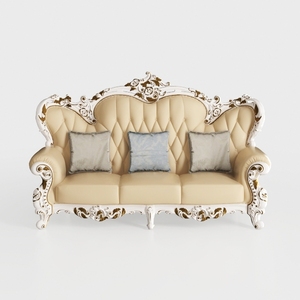
Acme Libertee Upholstered Loveseat with 3 Pillows
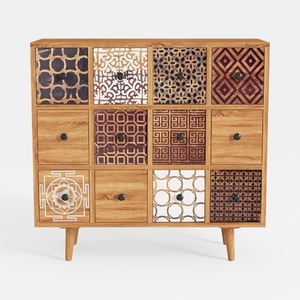
Best Choice Products 9-Cube Storage Organizer

Fluted Storage Cabinet, 31.5“ Wooden Sideboards
If you're looking to transform your home with a user-friendly design tool, Homestyler is for you! Featuring stunning 3D renderings, a wealth of design projects, and helpful DIY video tutorials, it's never been easier to visualize and create your dream space.
지금 무료로 디자인하세요
































