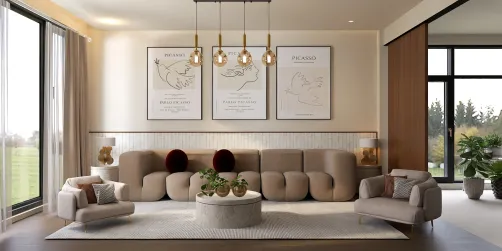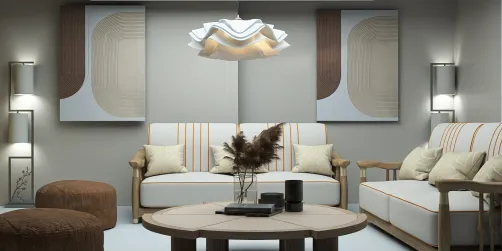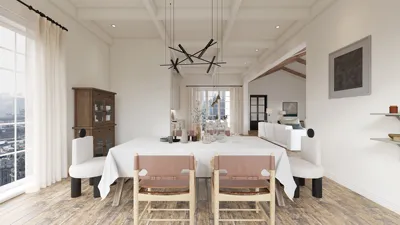



I have designed numerous compact living rooms that strive to create a spacious feel while ensuring easy movement. The ideal couch arrangement can minimize visual clutter, enhance navigable pathways, and assist in daily activities, from reading to hosting guests. In small spaces, every detail counts, and choices surrounding dimensions, leg styles, arm shapes, and furniture placement can dictate whether the area feels open or constricted. Utilizing resources like Homestyler can enhance your design process by providing clarity in space planning and visualizing your layout effectively.
Research data consistently supports these design principles. According to Steelcase studies, the right spatial fit and functional seating improve both comfort and productivity, highlighting that the ergonomics of seating affect focus and contentment in multifunctional rooms. The recommendations from WELL v2 emphasize the importance of flexible seating arrangements to accommodate various postures and social distancing, which is crucial in small spaces where repositioning and clear paths can alleviate stress and disorder. For lighting, I adhere to the suggestions from the Illuminating Engineering Society to achieve 100–200 lux ambient light in living areas, with task lighting reaching up to 300–500 lux in reading zones, making even modest spaces feel brighter and airier. Utilizing design tools like Homestyler, one can easily visualize potential lighting placements to maximize brightness.
Color plays a significant role in optimizing compact rooms. Insights from Verywell Mind suggest that lighter colors can create an illusion of openness, while cooler shades lessen visual clutter. Typically, I anchor a small living room with a light, neutral sofa and add mid-tone accents to introduce depth without overwhelming the color scheme, and tools like Homestyler can assist in selecting the best palettes for your space.
Establish the Seating Objective First
Before taking measurements, I assess how the space will be used. Will it serve as a cozy spot for nightly relaxation, a place for weekend guests, or a multifunctional area for work and leisure? If the room is primarily for two people, a compact sofa between 72 and 80 inches accompanied by a single lounge chair may work better than a bulky sectional. For occasional entertaining of three to four guests, I prefer to create flexibility with a sofa combined with a movable accent chair or a slender bench that can be tucked away under a console when not needed.
Optimal Dimensions and Ergonomic Proportions
Getting the proportions right is essential. My standard ergonomic targets include a seat height of 17–19 inches, a seat depth of approximately 20–22 inches for various lounging activities, and arm heights kept below 25 inches to fit under windowsills. Ensure main circulation paths have at least 30–36 inches of space and maintain an 18-inch gap between the coffee table and sofa for comfortable movement. In constrained areas, a 60–72 inch loveseat paired with a lightweight chair often balances the space more effectively than a large sofa.
Select Forms That Lessen Visual Weight
Compact spaces benefit significantly from furniture featuring elevated leg designs and slim arms. A couch perched on tapered legs reveals more of the floor and promotes a feeling of openness, while skirted bases can appear bulkier. Track arms generally save space compared to rounded or cushiony alternatives, and a continuous bench seat cushion appears less cluttered than multiple smaller cushions. Low-profile backs also help to maintain clear sightlines to windows or focal walls.
Strategic Layout Ideas for Limited Spaces
Furniture placement influences the flow within the room. In narrow spaces, float the sofa about 4–6 inches from the wall to create shadow lines that enhance depth. Position a lounge chair at an angle of 15–20 degrees in the corner to soften lines and redirect sightlines away from the TV. If the entryway adjoins the living area, preserve at least one unobstructed route from the door to the seating area. When testing different arrangements or sizing furniture, I often utilize a room layout tool like Homestyler to visualize clearances and sightlines before making final decisions.
room layout tool
Sectional vs. Sofa: Weighing the Options
Sectionals can fit in small rooms, provided their size and orientation align well with the room's architecture. If a chaise obstructs movement, it can become an inconvenience. In smaller areas, I prefer using a two-piece modular sofa which can be separated for guest flow or arranged in an L-shape for lounging. If you decide to include a chaise, opt for a reversible version and maintain a distance of at least 36 inches between its end and any surrounding walls or furniture.
Sizing for Coffee Tables, Ottomans, and Side Tables
To optimize space, keep the length of the coffee table roughly two-thirds that of the sofa (for instance, a 48-inch table for a 72-inch couch). Round tables can soften sharp corners and facilitate movement in tight areas; nesting tables provide versatility without overwhelming the room's footprint. A streamlined, upholstered ottoman can serve dual purposes as extra seating, and side tables should be 1–2 inches lower than the arm height to ensure comfortable reach while occupying minimal space.
Layered, Low-Glare, Space-Enhancing Lighting
A small living area flourishes with a layered lighting approach: ambient overhead lighting to create even illumination, a floor lamp with a glare-resistant shade placed near the reading zone, and compact wall sconces can prevent crowding where a table lamp might be used. Following IES guidelines, I aim for ambient lighting around 100–200 lux while ensuring task lighting hits 300–500 lux near seating areas. Warmer color temperatures (2700–3000K) add coziness; pairing them with high color rendering index sources helps maintain the true colors of textiles and wall hues. Implement dimmers to adjust brightness for social or evening settings.
Color Psychology and Material Strategies
Light neutrals can make the room feel larger; cooler undertones ensure a clean color scheme. I use darker shades sparingly for accents—such as on cushions, coffee table bases, or art frames—to achieve visual interest without overwhelming the space. In terms of materials, I prioritize textured fabrics and performance materials that are stain-resistant and durable, avoiding plasticky looks. Matte finishes on furniture reduce glare, while a low-pile rug defines the seating area and contributes acoustics by minimizing sound reflections.
Creating Acoustic Comfort in Confined Spaces
Hard surfaces can exacerbate noise levels in small rooms. Introducing a rug, upholstered seating, soft curtains, and various textile accessories can significantly reduce echo. If the area feels overly echoey, consider adding a bookshelf filled with diverse items on the wall opposite the couch, which will act as a sound diffuser, facilitating clearer conversations at lower volumes.
Choosing Between a TV Wall and a Focal Wall
In small spaces, the television should not steal the spotlight. Center your sofa on a focal wall adorned with art or shelving, positioning the TV off-center on a low console, or mount it with a swivel arm to direct it towards the seating when needed. Ideally, maintain a viewing distance of 7–9 feet for 55–65 inch screens; if this distance is shorter, opting for a smaller screen will help prevent eye strain.
Storage Solutions with Minimal Impact
Incorporate storage through slender, vertical furniture. A narrow console with drawers can be positioned behind the sofa to hold remotes and chargers, while wall-mounted shelves can replace heavier cabinets. Consider using lidded baskets or upholstered cubes under side tables, keeping the floor clear while providing extra seating when guests arrive.
Traffic Flow, Safety, and Human Considerations
Maintaining clear walkways is crucial to avoid accidents and discomfort. Ensure areas for door swings are unobstructed, avoid sharp edges in high-traffic areas, and maintain visual cues—like a border on a rug—that subtly guide movement. For families with children or seniors, prioritize rounded corners and sturdy furniture with a lower center of gravity for stability.
Design Trends for Small Living Rooms in 2024-2025
Current trends favor modular seating, washable, performance fabrics, and sculptural forms that create a light atmosphere. A mix of soft curves with straight-edged tables achieves a balanced look. Compact sofas featuring bench seating and slim arms are increasingly popular, while portable accent stools can serve as additional seating during social gatherings.
Authoritative References
To effectively align seating comfort and adaptable arrangements with established standards, I regularly consult resources such as WELL v2 for recommendations on posture and adaptability, as well as Steelcase's research on seating and spatial behavior. Both references guide my design choices, especially in compact living areas, ensuring a balance between aesthetics and wellbeing without compromising function.
Frequently Asked Questions (FAQ)
Options like a 60–72 inch loveseat or a 72–80 inch compact sofa typically fit well, allowing for 30–36 inches of space for main walkways. Complement with a lightweight lounge chair if additional seating is needed.
Keep a distance of 18 inches between the couch's front edge and the coffee table to ensure comfortable reach and adequate knee clearance.
Not necessarily. A compact modular sectional with a reversible chaise can work, provided you keep at least 36 inches clear at the chaise’s end to maintain flow.
Light neutrals, particularly those with cooler undertones, create a sense of expanded openness. Use darker accents sparingly to create contrast without contributing to visual heaviness.
Plan for ambient light to be around 100–200 lux, with task lighting near seating reaching 300–500 lux as per common IES guidelines. Warmer color temperatures (between 2700–3000K) contribute to a cozy atmosphere.
To mitigate sound reflections, introduce a low-pile rug, upholstered seating, curtains, and a mixed-content bookshelf. This combination can help clarify conversations and absorb unwanted noise.
Track arms are generally slimmer compared to rolled or pillow arms, thereby minimizing overall width while ensuring comfort remains intact.
Utilize wall-mounted shelves, narrow consoles, and flexible storage options like ottomans or cubes that can tuck under tables to keep the room vertical, slim, and multifunctional.
Aim for a viewing distance of 7–9 feet for 55–65 inch screens. If the room dimensions are limited, consider choosing a smaller screen size to enhance comfort during viewing.
Absolutely. Elevated legs can create an airy feeling by revealing floor space and facilitating easier cleaning.
Allow for 30–36 inches for major pathways, avoid placing chaises in areas that block entries, and arrange accent chairs to help guide foot traffic without obstruction.
Opt for performance fabrics resistant to stains, matte-finish case goods to minimize glare, and durable low-pile rugs that enable easy maintenance while enhancing acoustics.
What began as an Autodesk innovation has evolved into a design platform used by more than 20+ million registered users (platform data, 2026) around the globe. Homestyler combines powerful rendering, an intuitive editor, and a vast furniture library to help you turn inspiration into photorealistic designs — whether you're redesigning a single room or planning an entire home.
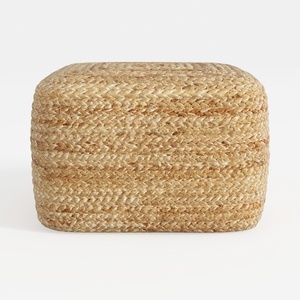
Natural Rattan Woven Square Ottoman 3D Model

Mid Century Walnut Rattan Sideboard with Drawers and Cabinets 3D Model

Modern Solid Wood Fabric L Shaped Sectional Sofa With Side Table 3D Model
For anyone looking to elevate their home design experience, Homestyler is an essential tool. Its intuitive online design platform offers stunning 3D renderings, a wealth of inspiring design projects, and helpful DIY video tutorials—all crafted to make your creative journey effortless and enjoyable!
Design Now for FREE