

Throughout my experience designing and renovating a variety of modest bungalows, I've found that maximizing every square inch is crucial. The most successful results stem from a thoughtful combination of clear spatial intent and the use of honest materials, along with well-considered light detailing. Even within a limited footprint, a space can appear more generous when circulation is optimized, storage solutions are seamlessly integrated, and natural light is used judiciously. Research from Steelcase demonstrates that enhancing spatial clarity and navigation ease can significantly reduce cognitive load, fostering a more serene and functional living environment.
The importance of light—both natural and artificial—cannot be overstated. The WELL v2 Light concept emphasizes the need for sufficient melanopic lux during daylight hours to promote circadian health. Additionally, the Illuminating Engineering Society (IES) recommends maintaining task illuminance levels between 300 and 500 lux in living spaces and kitchens to ensure comfort while performing visual tasks without glare. In compact areas, I favor a balanced approach using warm ambient lamps (ranging from 2700 to 3000K) complemented by high-CRI task lighting, choosing matte finishes to control glare. For comprehensive insights into occupant well-being and lighting strategies, the WELL v2 guidance serves as an excellent resource.
Maximizing Space with Open-Plan Micro-Zones
Smaller bungalows often benefit from an open-plan layout for living, dining, and kitchen areas. However, a single, indivisible space can feel monotonous. To create distinct micro-zones, I employ variations in ceiling height, strategically placed area rugs, and layered lighting rather than constructing walls. For instance, a low-profile sofa can back against a slender console to distinguish the living area, while a unique pendant cluster can define the dining space, and under-cabinet lighting can cleverly designate the kitchen area. When I need to envision furniture placement and circulation, I typically utilize a room layout tool, such as Homestyler, to simulate various arrangements and adjacencies.
Disappearing Storage Solutions
Effective storage is essential for compact living spaces. I design full-height cabinets with flush panels and matching reveal lines to visually minimize the envelope of the room. Deep window recesses can cleverly hide bench drawers, while stairs can serve dual purposes by becoming pull-out pantries. In bedrooms, I prioritize wall-to-wall wardrobes featuring sliding doors and integrated lighting, as this method avoids cumbersome protruding hardware. A useful principle to follow is that every fixed feature in the space should fulfill at least two functions—such as serving as a seat and storage, or acting as both a partition and a bookshelf.
Light, Color, and Environmental Perception
Understanding color psychology is key to manipulating perceived scale. According to Verywell Mind, lighter colors tend to create a sense of openness and calmness, while deeper hues invigorate focus. I start with a restrained base palette composed of soft off-whites, sandy tones, and light greige, introducing contrast in small increments, such as slate blue accents in study areas or terracotta cushions. To avoid glare, I limit gloss finishes to low-sheen paints, ensuring ceilings are lighter than the walls to enhance the illusion of height. In bungalows lacking substantial windows, including a reflective, warm-neutral backsplash and a delicately patterned pale floor can assist in bouncing natural light throughout the space.
Enhancing Kitchen Efficiency in Limited Spaces
For compact bungalows, efficient layout designs drive functionality in kitchens. I advocate for maintaining 36-inch clearances for general pathways and 42 inches around cooking areas; when space is limited, I prioritize a single principal prep area featuring a deep sink, pull-out waste solutions, and focused task lighting. Shallow pantry spaces (12-15 inches) outperform deeper cabinets by allowing better visibility. The incorporation of induction cooktops significantly reduces ventilation needs and opens up countertop areas. Furthermore, high-abrasion laminate or sintered stone surfaces are practical for everyday use, while drawer-based base units facilitate quick access in small kitchens.
Creating Tranquil, Airy Bedrooms
Quality sleep is of utmost importance. I prefer incorporating blackout side channels with dual-layer window treatments, paired with 2700K bedside lighting equipped with dimmers to facilitate pre-sleep routines. The wall behind the bed receives a soft textile treatment, which may include linen, acoustic panels, or slatted wood with felt backing. Storing items under the bed is kept shallow to promote airflow. In low-ceilinged rooms, I opt for platform beds with modest headboards and position tall wardrobes along adjacent walls to maintain a sense of vertical space.
Smart Compact Bathroom Design
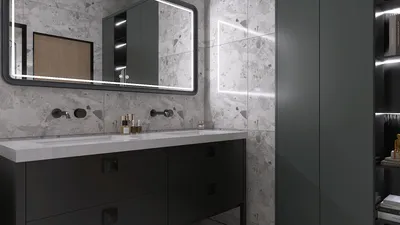
In smaller bathrooms, mounting the vanity and toilet on the wall significantly clears floor space, enhancing ease of cleaning. Utilizing large-format tiles minimizes grout lines and visual clutter, while strategic planning for niches occurs before framing, not as an afterthought. Using frameless glass with a fixed panel can create an airy feel compared to hinged doors in small showers. Mirror cabinets add discreet storage; warm 3000K vanity lighting set at eye level diminishes shadows on faces. For flooring, I favor non-slip porcelain with subtle textures, combined with a linear drain for a clean aesthetic.
Acoustic Comfort Strategies
In compact homes, sound transfer can become more pronounced. To mitigate this, I incorporate soft absorption materials in living areas—such as textiles, rugs, and upholstered furniture—and treat shared walls with resilient channels or dense insulation during renovations. In living rooms, combining fabric sofas, curtains, and area rugs can effectively decrease reverberation time, allowing for comfortable conversations without overly suppressing sound. The choice of kitchen hoods also matters; opting for quieter models helps reduce the overall noise levels in open-plan designs.
Honest Material Use and Sustainability
Materials that age gracefully are particularly advantageous in compact homes. Opting for solid wood trims, FSC-certified veneers, and mineral-based paints, alongside resilient flooring options like engineered oak or cork, ensures low maintenance requirements. I steer clear of delicate finishes that require constant upkeep. When budgets allow, including recycled content materials and low-VOC adhesives can enhance indoor air quality. Additionally, implementing sun shading techniques, such as exterior awnings or deciduous plantings, decreases cooling requirements and glare without negatively impacting natural light in the rooms.
Optimizing Circulation and Spatial Ratios
Ensuring smooth flow within the home is essential: I maintain primary pathways between 32 to 36 inches and ensure clear sightlines from the entrance to the rear of the living area to enhance perceived depth. Achieving vertical rhythm by aligning the tops of doors, windows, and cabinets promotes tranquility. Choosing furniture with exposed legs helps to showcase more floor area, while round tables in tight spaces facilitate easier movement. If hallways exist, repurposing niches for shallow storage and using wall washers can significantly widen the visual perception of corridors.
Utilizing Outdoor Spaces as Extensions
Porches and compact decks can serve as outdoor living rooms in bungalows. I view thresholds as transitional spaces and incorporate benches, hooks, and shoe storage to minimize clutter. Covered outdoor areas benefit from warm string lights and weather-resistant fabrics, effectively doubling the entertaining capacity. Installing sliding or French doors with minimal mullions not only expands the view but also allows for more natural light entry.
Designing Work-From-Home Nooks
A compact workspace can seamlessly fit into a bay window or a wardrobe niche. Prioritizing ergonomics is crucial; as highlighted by the Interaction Design Foundation, reducing physical strain and cognitive load in work environments is vital. I set desk heights to approximately 28 to 29 inches, incorporate task chairs that provide lumbar support, and ensure task lighting reaches levels of 400 to 500 lux with low-glare optics. A pinboard or rail system enables vertical organization of tools, while acoustic panels help to minimize noise transfer into living spaces.
Design Trends for Small Bungalows (2024-2025)
Current trends that truly benefit small homes include micro-flex furniture such as modular sofas and drop-leaf tables, ribbed wood designs for tactile comfort, cork for eco-friendly softness, and integrated LED coves to achieve layered lighting without occupying space. Subtle technology enhancements, like smart dimmers, zoned thermostats, and discreet ceiling speakers, help maintain clean lines on walls. Color palettes remain tranquil, featuring earthy neutrals accented with bold colors in select areas, ensuring that every element has its purpose.
Frequently Asked Questions
To optimize space, align ceiling heights, establish micro-zones using area rugs and lighting, and maintain clear sightlines from the entrance to a focal window. Selecting furniture with exposed legs and utilizing low-sheen finishes can also lighten visual weight.
For ambient warmth, use 2700 to 3000K lighting, increase to 3000 to 3500K for functional areas like kitchens, and aim for about 300 to 500 lux in living spaces according to IES standards to mitigate eye strain.
Start with a base of soft off-whites, greige, and light sand, choosing restrained accent colors—like slate blue or terracotta—in small applications. Low-sheen finishes help control glare while enhancing depth perception.
Implement full-height, flush cabinetry; incorporate pull-out drawers under stairs and in windows; favor shallow pantry designs (12–15 inches) for easier visibility; and integrate storage into furniture elements, such as consoles and headboards.
Maintain general pathways of 32 to 36 inches and ensure 42-inch clearances around seating and cooking areas when possible. Opting for round tables in tight corners can ease movement.
Yes, they can be. Adding textiles, area rugs, and curtains, selecting a quiet range hood, and integrating acoustic panels or partition bookcases can dampen sound while preserving openness.
Focus on establishing a single, efficient prep area, utilizing drawer-based base units for accessibility, adding task lighting beneath cabinets, and favoring shallow pantry designs. Induction cooktops can free up counter space and minimize ventilation needs.
Incorporate layered blackout shades with side channels and soft drapery. Set bedside lamps to the warmer end of the spectrum around 2700K and aim fixtures to reduce glare and shadowing effects.
Utilize WELL v2 for guidance on lighting and comfort, and reference Steelcase’s research on space, cognition, and productivity for actionable insights focused on human needs.
Employ a room layout simulation tool like Homestyler to test clearances and adjacencies, anchor dining zones with pendants, and position a slim console behind the sofa to define circulation paths effectively.

Full Size Bed Frame with Headboard and Footboard
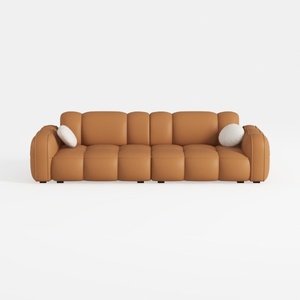

SIMPLIHOME Rex 3-Seater Modular Sofa in Full-Grain
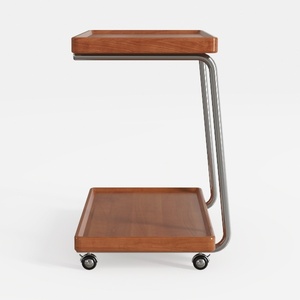
C-Shaped End Table, Rectangle Side Table, Night
Homestyler is your go-to platform for stunning home design. With its easy-to-use online design tool, impressive 3D rendering, and comprehensive video tutorials, you can effortlessly create and visualize your dream spaces. Transform your home design journey into an exciting adventure with Homestyler!
Concevez maintenant gratuitement
































