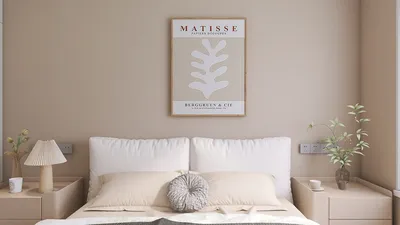


Designing an L-shaped room involves embracing the bend rather than resisting it. I approach the 'elbow' as a natural focal point for functionality, facilitating movement, zoning activities, and layering light. From my experience with workplace designs, I’ve observed that clear layout signals boost engagement; this is backed by the Gensler U.S. Workplace Survey, which indicates that when employees have various settings conducive to both focus and collaboration, their perceived effectiveness improves—opt for flexibility over a sprawling open-plan. This principle translates effectively to L-shaped configurations, allowing one leg to cater to quiet tasks while the other accommodates social or communal functions. Utilizing tools like Homestyler can further streamline layout considerations.
In L-shaped rooms, lighting requires careful planning to avoid dark areas and glare. The Illuminating Engineering Society recommends a range of 300–500 lux for general tasks and even higher levels for detailed work, emphasizing the importance of uniform lighting to mitigate eye strain. My goal is to achieve an ambient light level of approximately 350–400 lux, supplementing the short leg with targeted task lighting of 500–700 lux, while ensuring brightness ratios near the elbow remain at 3:1 or better. Research from Steelcase supports the idea that varied postures enhance wellbeing; combining adjustable seating with tailored lighting creates a resilient environment that users want to stay in.
Making the Bend Work for You
I begin by defining each leg of the L-shape: the long leg serves as the primary space for activities like living, dining, or open workstations, while the shorter leg is designated for supplementary uses such as a reading nook, pantry, or huddle area. The elbow acts as a pivot point, guiding circulation around it instead of cutting through the seating areas. When experimenting with different layouts, tools like Homestyler can simulate traffic paths and furniture spacing quickly, especially helpful for navigating tight turns.
Light, Sightlines, and Comfort
Lighting should transition smoothly from ambient to accent, especially mindful of the elbow's design. I combine diffuse ceiling washes with linear wall lighting along the inner bend to create the illusion of expanded space. Task lamps cluster in zones dedicated to detailed work, while accent lights highlight art or shelves on the longer leg. For color temperature, I maintain a warm-neutral tone at 3000–3500K for living areas, and a cooler 3500–4000K in workspaces. Control of glare is crucial—downlights near the bend should be shielded, and luminaire outputs staggered to ensure a comfortable visual experience. The WELL v2 guidelines on visual comfort emphasize the need for balance, uniformity, and control; options for dimming and personal adjustments significantly enhance the user experience.
Zoning Without Walls
Furniture can create acoustic and visual zones without erecting physical barriers. A sofa with a console can back a conversation area, while a sleek credenza or a planter can delineate the short leg as a cozy reading spot. Rugs are effective at anchoring each area, aligning their edges with circulation routes. In office settings, bookcases or soft screens can soften the elbow, providing sound absorption and maintaining clear sightlines. Achieving acoustic comfort relies on minimizing sound reflection at the elbow, using a mix of porous materials like rugs and upholstery, semi-porous items such as felt baffles, and hard surfaces like timber panels with diffusion properties.
Flow and Clearance
For residential L-shaped areas, aim for 900–1050 mm of clear pathways around the elbow; 1200 mm is ideal for dining setups to allow chairs room to be pulled back without hindering flow. In work environments, 1200–1500 mm circulation routes ensure comfortable passage for pairs, while I prefer workstation setbacks of at least 900 mm from main walkways to prevent chair collisions. It’s common for corners to become cluttered with unused storage—position tall cabinets off the elbow to minimize shadowing and tight squeezes.
Color Psychology in an L
Color subtly influences behavior in an L-shaped room. Verywell Mind’s guide on color psychology suggests that blues encourage concentration while warmer tones enhance sociability. I often select desaturated blues or blue-greens in the short leg to promote focus and layer warm neutrals in the long leg to foster conversation. The elbow can feature a bridging hue—such as muted olive or taupe—cementing the two areas visually. It’s advisable to keep bright color accents away from the bend; excessive color at a corner can exacerbate visual clutter.
Material Choices and Rhythm
The choice of materials should reflect the rhythm of the space. Employing a single flooring material across the L creates coherence, while a contrasting rug or different finish can signify functional shifts. Matte finishes at the elbow can minimize glare. For an eco-friendly touch, I opt for low-VOC paints, FSC-certified wood, and recycled PET acoustic felts. Each leg should exhibit a distinct textural identity—consider boucle upholstery in the serene wing and linen or leather in the vibrant wing—allowing the purpose of each space to be understood at a glance.
Furniture Scaling and Ratios
Scale is paramount for awkwardly shaped rooms. A sectional sofa with a chaise can effectively follow the longer leg, while a smaller lounge chair can anchor the short leg. I aim for a 60/40 area distribution between primary and secondary uses to keep the elbow from feeling cramped. Opt for oval or rounded coffee tables to ease the transition. In dining setups, a round table positioned near the bend can help avoid corner conflicts and provide balanced seating.
Storage That Doesn’t Steal Space
Utilize the inner elbow for vertical storage but ensure depth remains between 300–350 mm to avoid obstructed flow. Open shelving paired with closed bases balances display and concealment; adding integrated lighting helps eliminate dark corners. In office settings, a slender document wall positioned at the elbow can serve as a visual anchor and guide. In living spaces, a media console on the long leg combined with a low bench on the short leg prevents clutter from gathering at the corner.
Ergonomics and Work Zones
For home offices designed within an L-shape, position the desk on the short leg perpendicularly to the long leg, allowing you to face into the open space. Incorporating adjustable chairs, monitor arms, and keyboard trays contributes to a range of postures; research from Steelcase highlights the health benefits of mobility and adjustability in seating options. Implementing 500–700 lux task lighting at temperatures of 3500–4000K with low-glare features is essential. Ensure cable management runs along the inner edge of the elbow to prevent tripping hazards.
Daylight Strategy
Natural light distribution rarely favors both legs equally. You can enhance light in the dimmer leg with reflective wall paints (LRV 60–70) and strategically place mirrors at angles rather than directly in line with windows to avoid glare. Sheer drapery can help control contrast; opaque panels placed near screens can stabilize brightness levels. If daylight flows towards the long leg, consider clerestory or transom openings to distribute light into the short leg.
Small L-Shaped Rooms
In smaller L-shaped spaces, it's beneficial to utilize vertical storage and built-ins. A banquette along the short leg can provide additional seating with a minimal footprint; pair it with a pedestal table that’s easy to center. Design storage solutions higher up to keep the floor area visually clear. Opt for taller furniture to maintain an open feeling, and use a limited color palette with two dominant hues and an accent. For iterative planning and scale adjustments, tools like Homestyler can help you visualize layouts prior to making purchases.
Common Mistakes I Avoid
- Pushing all furniture against the walls and neglecting the elbow's purpose.
- Overlooking light uniformity at the bend leading to eye discomfort.
- Cramping the short leg with too much storage, causing flow issues.
- Selecting rectangular rugs that clash with the turn instead of enhancing it.
- Failing to integrate acoustic improvements, leading to echoing conversations.
Design Process I Trust
I outline primary and secondary functions, draft circulation patterns, test furniture sizes, model lighting configurations, and refine material selections for glare control and sound absorption. An L-shaped room only feels awkward when its purpose is unclear. Designating specific functions for each leg, as well as a clear role for the elbow, ensures the space serves its intended purpose effectively.
FAQ
To optimize space within an L-shape, position the sofa along the longer leg facing the shorter leg, allowing for 900–1050 mm of clearance behind if it backs onto traffic areas. A chaise can follow the curve, with a lounge chair completing the conversational setup on the short leg.
In general living areas, aim for ambient lighting levels of approximately 350–400 lux, alongside 500–700 lux for task-specific spots. Keep the brightness ratio around 3:1 near the elbow to mitigate eye strain, in line with IES guidelines regarding uniformity.
Integrate soft finishes like rugs, upholstered seating, and installed felt panels or curtains near the elbow. Adding bookshelves or diffusive timber slats can effectively minimize echo.
Absolutely—opt for a round or oval table to facilitate circulation. Ensure a clearance of 1200 mm around seating to accommodate chair movement if the pathway runs past the table.
Selecting desaturated blues or blue-greens for the focus leg encourages concentration; meanwhile, warm neutrals in the collaborative leg foster a welcoming atmosphere. This aligns with well-documented principles of color psychology.
Divide the two legs: consider placing a sleeping area in the quiet leg with soft lighting, and living or work zones in the long leg. Utilizing rugs and low storage pieces helps suggest separation without physical barriers.
Mount equipment on the longer leg to maximize viewing distance. Ensure there’s sufficient walkway clearance behind seating, and slightly angle the screen towards the short leg to reduce glare.
Employ higher-LRV paints (60–70) on the dimmer leg, include mirrors at strategic angles, and layer sheer fabrics to balance contrast. Consider transom windows to allow for additional light flow, if possible.
A single primary rug should anchor the main seating area, while a secondary rug in the short leg can designate a reading or workspace. Opt for rounded or oval rugs to soften transitions around corners.
Position your workspace to face the open area, ensuring adjustable seating and monitor arms are available, along with dimmable task lighting set between 3500 and 4000K. Keep cables directed along the inner elbow to minimize tripping hazards.
Utilize shelving or cabinet depths between 300–350 mm at the elbow, ensuring heavy items are stored on the longer leg to maintain open passage.
To shield against glare, downlights near the elbow should be shielded, and task lamps should be outfitted with diffusers to provide a comfortable lighting experience. Balancing color temperatures across the two legs will further prevent harsh transitions.
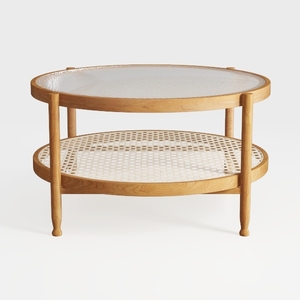
Best Choice Products 2-Tier 35.5in Round Industrial Coffee Table
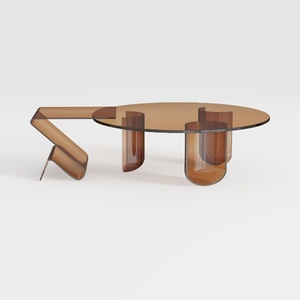
Round Coffee Table Modern Glass Coffee Table with


Homestyler is your go-to online home design platform! With its easy-to-use design tool and stunning 3D rendering features, you can create and visualize your dream spaces effortlessly. Plus, the extensive library of design projects and DIY video tutorials will inspire and guide you every step of the way.
Progetta ora GRATIS
































