

Well-planned compact container rooms can appear quite spacious when elements like proportions, illumination, and workflow are thoughtfully harmonized. Drawing from my expertise in designing micro-living units and small hospitality spaces, I concentrate on clarity of circulation, layered storage solutions, and materials that balance light, all aimed at fostering comfort within limited areas. Utilizing tools like Homestyler for layout simulations can further enhance this planning process.
When making decisions in small spaces, it’s crucial to base choices on solid evidence. The WELL v2 standard emphasizes that balanced lighting contributes to circadian rhythm and visual health, outlining preferred vertical illuminance levels and glare management for both day and night; this guidance is essential for optimizing lighting in container rooms to serve both functional and relaxing needs. Research from Gensler also correlates the quality of design with user performance, highlighting that thoughtfully designed environments can significantly enhance user experience even in micro layouts. I ensure to customize task lighting in accordance with IES recommendations for work spaces and food preparation areas, blending dimmable ambient lighting with warm tones for evening settings to help minimize melatonin suppression.
The importance of ergonomics cannot be overlooked in compact environments. Research conducted by Herman Miller on seated posture confirms the essential dimensions for desks and chairs to maintain healthy alignment, which is crucial for container studios where workspaces may also serve as dining areas. By keeping optimal seat height (around 43–48 cm), aligning monitor height with eye level, and ensuring adequate knee space, multifunctional furniture can provide true comfort.
Core Planning: Ratios and Circulation
In narrow container rooms, typically about 2.4 meters wide, clear circulation routes are essential. I aim for a minimum walkway of 750–900 mm alongside beds and convertible tables, with a 1,000–1,200 mm turning zone at entry points. It's useful to think in zones: an entry/service area (for storage, kitchenette, and bathroom access), an activity zone (for work and meals), and a rest area (for sleeping and relaxation). This zoned approach cleverly reduces overlap and visual disorder. Utilizing layout simulation tools like Homestyler can greatly assist in assessing flow and pinpointing areas that might cause traffic issues.
Lighting Strategy: Layered Illumination and Glare Reduction
The significance of light quality is heightened in compact spaces. I design three distinct layers of lighting: ambient (soft and uniformly distributed across the ceiling or walls), task (concentrated at working and kitchen areas), and accent (dim light for creating atmosphere and aiding navigation). Matching the color temperature with daily activities—using 3000–3500K in the evenings to promote relaxation and 3500–4000K during the day for work—is vital. According to IES standards, it’s crucial to provide sufficient task illumination while steering clear of intense contrast spots that could be uncomfortable. To mitigate glare in narrow spaces, I use shielded fixtures, matte finishes near lighting sources, and indirect uplighting. When windows are scarce, incorporating light shelves or using bright, low-VOC paints can effectively enhance brightness without overwhelming the space.
Psychology of Color and Material
Color choices can substantially influence the perception of size. Light, cool shades (like pale blue or sage) can visually recede and make the walls seem more expansive, while warmer tones maintain a cozy atmosphere. Verywell Mind indicates that blues are calming and greens are restorative; in compact rooms, subtler touches in textiles or wall panels can help minimize overstimulation. Selecting genuine and resilient materials is vital: matte laminates lower glare, breathable fabrics enhance sound absorption, and sustainably sourced woods introduce warmth. It’s beneficial to limit the selection to 3–4 primary materials to maintain visual harmony; repeating textures horizontally can create an illusion of greater width.
Multifunctional Furniture: Convertible and Efficient
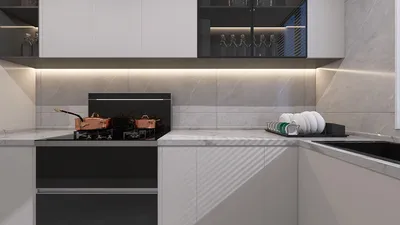
Every item in a compact space should justify its footprint. I prefer wall-mounted drop-leaf tables, sofa beds providing ample lumbar support, and storage ottomans. Integrating a slim wardrobe (400–450 mm deep) with sliding doors avoids conflicts due to swinging doors. For kitchens, a streamlined module measuring 1.8–2.1 m containing an induction hob, small sink, and under-counter refrigerator effectively optimizes preparation space; a 600 mm pull-out pantry adds impressive storage capacity. Attention to detail in hardware—such as soft-close hinges, full-extension slides, and robust edge banding—ensures durability in frequently used compact environments.
Acoustic Comfort in Narrow Spaces
Containers can amplify sound unless strategically dampened. I recommend lining echo-prone surfaces with acoustic panels (with an NRC of 0.7+ where feasible) at critical reflection points: behind seating, across from the bed, and near entryways. Adding heavy curtains, upholstered headboards, and cork-backed flooring can aid in sound absorption without requiring excessive space. Sealing gaps around doors and conduits is also important; even a slight 3–5 mm gap can allow significant noise penetration.
Human Factors and Ergonomics
Begin by designing workflows: wakefulness, preparation, work, relaxation, and sleep. Position the work surface in proximity to natural light while avoiding glare on screens; maintain desk depth at 600–700 mm for comfortable forearm support. Ensure there’s 300–400 mm of open counter space adjacent to cooking areas for safe staging. Arrange bed positioning with the headboard facing away from the main entrance for a sense of security, with a reach of 500–600 mm to a bedside area. Storage should be tiered—everyday items at 900–1400 mm high, seasonal goods above 1800 mm, and heavier items on lower shelves.
Sustainability and Thermal Comfort
Container structures can experience swift temperature changes. Employing high-R insulation when possible and adding thermal breaks under flooring is advisable. Facilitate cross-ventilation through operable windows or trickle vents; utilizing breathable fabrics helps to reduce stuffiness. Energy-efficient LED lighting and induction cooking methods alleviate heat generation. Where feasible, opt for low-VOC finishes and FSC-certified wood. Compact heat pumps or ceiling-mounted units can provide zoned comfort without the bulk of conventional radiators.
Visual Cohesion and Storage Integration
Arrange the space to establish horizontal rhythm: a continuous shelving line around 1,400–1,600 mm connects different zones visually, while keeping base storage flush helps maintain a tidy appearance. Strategically placing mirrors—facing light sources but not directly facing seating areas—can enhance depth without causing disorientation. Avoid tall, freestanding storage units; instead, extending upper storage across shorter walls promotes a calmer aesthetic. If experimenting with various designs, utilizing an internal layout planner can assist in comparing different configurations before finalizing decisions.
Tuning Bathroom and Micro-Kitchen Spaces
Incorporating sliding or pocket doors is useful for saving valuable space. In bathrooms, selecting a 900 mm shower with a clear glass wall enhances sightlines. Corner sinks improve maneuverability, while wall-mounted toilets simplify maintenance in confined spaces. Kitchen vent fans should operate quietly and effectively, aiming for a low sone rating, while under-cabinet illumination enhances safety and prevents glare. Keeping finishes light and consistent aids in maintaining visual unity.
Seamless Day-to-Night Transitions
The most successful container rooms transition moods effortlessly. A morning setting gradually increases ambient light to synchronize with natural cycles, while evening settings softly warm and dim the atmosphere. Task lights should be individually adjustable. Blackout shades are crucial for ensuring quality sleep; layer them with sheer curtains for privacy while allowing daytime light to filter in.
I've discovered a straightforward principle: maintaining a clear 900 mm pathway from entrance to bed resolves much of the friction in compact designs. Additionally, if a surface needs to serve dual functions, prioritize the more frequently used activity, which is usually work over dining; portable trays or fold-out extensions can accommodate the latter.
Frequently Asked Questions
Q1: What should be the width of the main circulation path in a container room?
A: I typically aim for a clear path width of 750–900 mm, with at least 1,000–1,200 mm at entry points to facilitate turning and handling bags.
Q2: Which color temperatures are best for living in small spaces?
A: For daytime tasks, use 3500–4000K, switching to 3000–3500K in the evenings to encourage relaxation, aligning with WELL v2 standards on supportive lighting.
Q3: How can I effectively control glare in narrow rooms?
A: Implement indirect ambient lighting, utilize shielded fixtures for tasks, and apply matte finishes near light sources. Always adhere to IES task illumination guidelines to prevent high-contrast visual discomfort.
Q4: What ergonomic dimensions should be prioritized for a multifunction desk?
A: The ideal desk depth is 600–700 mm, seat height should be approximately 43–48 cm, with monitor tops positioned at or slightly below eye level while ensuring sufficient knee room; these dimensions are grounded in ergonomic research from Herman Miller.
Q5: What are the best strategies for storage in compact spaces?
A: Adopt tiered storage solutions: daily items at 900–1400 mm, seasonal items above 1800 mm, and heavier goods should remain on the floor. Utilizing sliding doors and full-extension drawers optimizes accessibility.
Q6: How can I enhance acoustics without bulky installations?
A: Target reflection areas with acoustic panels (NRC ~0.7+), add heavy curtains and upholstered accents, and ensure door gaps are sealed to minimize sound leakage.
Q7: What constitutes an effective yet compact kitchen layout?
A: A streamlined 1.8–2.1 m module that includes an induction cooktop, compact sink, under-counter refrigerator, plus a 600 mm pull-out pantry; providing under-cabinet lighting improves both safety and comfort.
Q8: How can I create the illusion of a larger container room?
A: Employ cool light shades on walls, maintain a consistent horizontal shelving line, place mirrors across from light sources, and limit material choices to 3–4 finishes to foster visual unity.
Q9: Should I install blackout shades?
A: Absolutely, particularly if ambient light disrupts sleep; combining blackout options with sheer curtains provides necessary daytime privacy and softens incoming natural light.
Q10: What sustainability practices yield significant benefits?
A: Implementing high-R insulation, selecting low-VOC finishes, utilizing energy-efficient LED lighting, opting for induction cooking, and integrating compact heat pumps can greatly enhance comfort while being environmentally responsible.
Homestyler is your go-to platform for hassle-free home design! With its easy-to-use online design tool, stunning 3D renderings, a vast array of design projects, and helpful video tutorials, you can effortlessly create and visualize your dream space. Transform your home today!
지금 무료로 디자인하세요
































