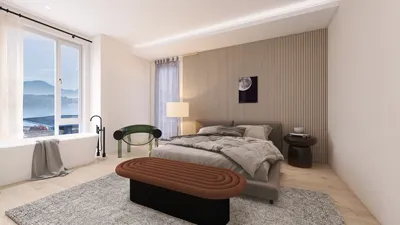


Living in a compact space doesn’t equate to feeling cramped. By establishing clear spatial priorities, selecting appropriately scaled furniture, and devising a strategy for light and storage, even a small living room can exude a sense of calm, openness, and adaptability. In my experience, achieving the best results involves coordinating layout, sightlines, and vertical volume to create a seamless flow rather than an impression of clutter, all of which can be planned using tools like Homestyler.
More than just square footage, the scale of your furniture and traffic flow significantly impacts your living experience. Research by Herman Miller reveals that ideal seating geometry lies between 90-110 degrees between the seat and back, which allows small sofas to provide support while minimizing bulk. Furthermore, the WELL v2 platform emphasizes the importance of balanced lighting—recommending about 300-500 lux in living spaces to mitigate eye strain—crucial in multifunctional rooms used for reading, socializing, and streaming. These guidelines can transform the way compact areas are furnished and illuminated, and resources for employing WELL strategies are available online.
The influence of color on perception should not be underestimated. A study from Verywell Mind on color psychology highlights that cooler tones like light blues and soft greens can create an illusion of spaciousness and tranquility, while warm accents infuse energy without overwhelming the senses. Utilizing low-saturation, high-LRV paints on walls and large surfaces can reflect light effectively, enhancing visual depth, especially in spaces dependent on limited natural light.
Establishing a Clear Sightline is Essential
In small rooms, the priority is to maintain long sightlines. Positioning taller items against walls can prevent obstructing the view from the entrance to the window. Opt for a sleek sofa and airy lounge chairs to create a lighter visual aesthetic. By using a slim console or shelf under the television instead of bulky media cabinets, you can preserve floor space and ensure smooth movement throughout the area.
Select Appropriately Sized and Modular Furnishings
Look for sofas with compact widths (32-36 inches) and narrow arms. A petite two-seater combined with a lightweight chair often provides more flexibility than a substantial sectional. Consider modular ottomans that shift roles easily from footrests to additional seating, along with nesting tables that expand only when necessary. Keep in mind that a seat height of 16-18 inches generally accommodates diverse users while aligning with ergonomic recommendations for easy transitions.
Create Smart Layouts for Optimal Flow
Ensure circulation pathways measure at least 24-30 inches around seating arrangements. Position a chair angled towards the window to enhance the view, or float a small sofa several inches from the wall to introduce dimension while promoting airflow. For experimenting with configurations, a room layout tool like Homestyler allows you to simulate traffic lanes, check clearances, and visualize furniture arrangements before making any decisions.
Effective Use of Light: Ambient, Task, and Accent
Layering lighting effectively can make small rooms feel more spacious and functional. Aim for an ambient baseline of 300-500 lux and supplement with task lighting near reading areas and accent lights to illuminate walls or highlight art. Wall grazing techniques enhance perceived height. Opt for warm-white lamps between 2700-3000K for evening comfort, and incorporate dimmers for adjustable brightness across activities. Utilizing indirect lighting behind shelves or within alcoves minimizes glare and is particularly beneficial in compact spaces.
Utilize Color and Material to Enhance Space
Adhere to a cohesive and light color palette for larger surfaces, while introducing texture through woven fabrics, matte finishes, and low-sheen materials to prevent a sterile appearance. A large, single-tone rug that extends beyond the seating area helps to visually unify the space. If you wish to incorporate patterns, limit them to pillows or throws—small-scale designs reduce visual clutter. Choosing sustainable materials, such as FSC-certified plywood for shelves and low-VOC paints, is essential for maintaining indoor air quality while keeping your space streamlined.
Incorporate Vertical Storage and Floating Features
Utilize wall space for storage solutions. Implement shallow, floating shelves and tall, narrow cabinets with doors to conceal clutter. A slim picture ledge can display rotating art without consuming floor space. Mounting the TV can free up 10-14 inches of depth compared to traditional media units. Integrated hooks near the entryway can help organize bags and headphones, thereby keeping the living area free of extraneous items.
Prioritize Acoustic Comfort in Small Rooms
Hard surfaces can amplify noise in compact spaces. Incorporating a plush rug, lined curtains, and upholstered seating can help in absorbing sound, especially higher frequencies. If the room also functions as a workspace, balancing soft elements with harder materials can help manage reverberation effectively. Books on open shelves can also assist in dampening sound without taking up much floor space.
Emphasize Curation Over Accumulation
Limit accessories to a few meaningful items. A couple of larger art pieces can make a strong impact, rather than numerous smaller frames that can clutter the wall. Keeping cable management streamlined with a single multi-plug behind furniture can minimize wire exposure. Using trays to organize remotes and chargers helps maintain tidy surfaces.
Establish Flexible Zones within One Room
Define micro-zones within a single room, such as a cozy reading nook by the window, a compact media setup, and a conversational area around a lightweight coffee table. A foldable laptop stand and a lamp with focused lighting can create a temporary workspace without requiring a dedicated desk. When entertaining, lightweight tables and stools can be easily repositioned to accommodate extra guests.
Optimize Window Treatments and Use Reflective Tricks
Employ light-filtering shades to maintain privacy while allowing natural light to enter. Position mirrors opposite or diagonally from the window to enhance the influx of daylight; selecting a slim frame and maintaining uncluttered reflections are key. Avoid excessive window dressings—utilizing just one soft panel per side is often sufficient in smaller residences.
Examples of Small-Scale Layouts
In a studio living room measuring 9' x 11', you could fit a 72-inch sofa, a 24-inch side table, a 36-inch round coffee table, and a single lounge chair angled towards the window at 15 degrees. Ensure there's a circulation space of 26 inches around the coffee table and include one floor lamp behind the chair along with a wall sconce near the entrance for layered lighting.
For a one-bedroom living room measuring 10' x 13', a 78-inch sofa and two nesting tables would work well. Include a TV wall with a 10-inch-deep floating shelf, and consider a low-profile area rug (6' x 9') to unify the seating area. A reading corner by the window could feature a compact bookcase and a task lamp emitting light at 3000K.
My Essential Checklist for Compact Living Rooms
- Safeguard sightlines moving from entry to window; position taller items against the perimeter walls.
- Maintain 24-30 inches of circulation space around seating arrangements.
- Opt for compact, leggy furniture with tight depths.
- Layer your lighting: aim for an ambient level of 300–500 lux, adding task and accent lighting as required, ensuring they're dimmable for flexibility.
- Employ light, low-sheen finishes to create a perception of increased volume.
- Build storage solutions vertically and maintain an organized appearance on open shelves.
- Balance acoustics using rugs, drapes, and upholstered furnishings.
- Curate your accessories—group small items using trays and conceal cables when possible.
- Utilize modular furniture to facilitate quick reconfiguration for guests.
FAQ
What sofa size works best? A 68-78 inch sofa with compact depths (32-36 inches) generally offers the best balance of comfort and space. Coupling it with a lightweight chair instead of a bulky sectional is advisable.
What are optimal pathway measurements? Maintain at least 24-30 inches for primary routes and ensure a minimum of 14-18 inches between a sofa and coffee table for comfortable access.
How much ambient light should I aim for? Establish ambient lighting at around 300-500 lux, then integrate task lighting for reading and accent lighting for other purposes. Warm-white tones at 2700-3000K tend to suit evening settings.
Which colors can make a space appear larger? Light, cool hues with high light reflectance, such as soft blues and pale gray-greens, can enhance spatial feel. Maintain a unified look on larger surfaces and introduce warmth through smaller accents.
How can I organize small accessories? Opt for a few larger art pieces, utilize trays for clustering smaller items, and rely on closed storage for less visually appealing objects. Floating shelves can help keep floor space open.
Does a large rug benefit the space? Yes, a rug that slightly exceeds the dimensions of the seating area can help to unify the space, dampen sound, and delineate areas without crowding.
Which table styles enhance flow? Round or oval tables promote better circulation by eliminating sharp edges and ensure easy access from seating positions. Nesting designs are also beneficial for adjustable surface area.
What tools can I use for planning? Measure your space accurately and map out clearances. Consider using an interior layout planner like Homestyler to visualize arrangements and establish traffic patterns.
Can mirrors enhance natural light? Absolutely. Placing a mirror directly across from or diagonally aligned with the window can amplify natural light while extending sightlines. Opt for slim frames and keep reflections uncluttered for the best effect.
What materials help maintain a light look? Incorporating leggy wood or metal frames, together with low-sheen finishes and durable, tightly woven upholstery, can contribute to a visual sense of lightness while ensuring long-lasting aesthetics. Low-VOC finishes are also crucial for air quality indoors.
Homestyler's roots trace back to Autodesk, the global leader in design and engineering software. That heritage lives on in every feature we build. Today, with a community of more than 18 million users worldwide, Homestyler continues to make professional-quality interior design accessible to everyone — from first-time decorators to seasoned architects.
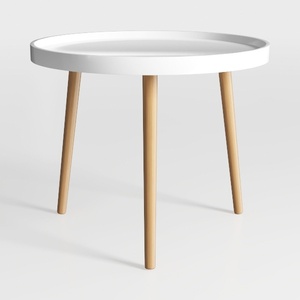
Minimalist Modern Oak White Round Side Table 3D Model
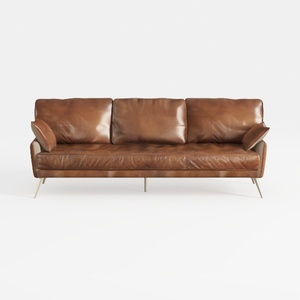
Modern Vintage Leather 3 Seater Sofa With Metal Legs 3D Model
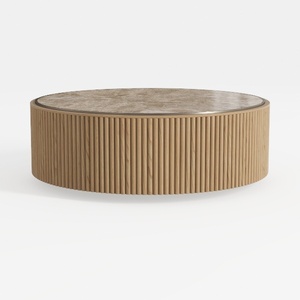
Modern Fluted Solid Wood Marble Top Round Coffee Table 3D Model
Homestyler is your go-to online home design platform that empowers you to create stunning spaces effortlessly. With its intuitive design tool, realistic 3D renderings, inspiring design projects, and helpful DIY video tutorials, transforming your home has never been easier or more enjoyable!
Design Now for FREE
































