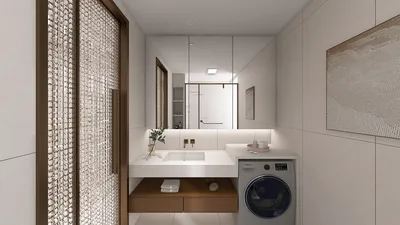


I once had a client who firmly believed their 7x7 square kitchen was suitable for hosting dinner parties for eight guests — I almost nodded in agreement, but instead, I quietly reimagined the layout. This little dilemma taught me that constrained square kitchens necessitate creativity and a focus on essential elements. Interestingly, a small adjustment can significantly enhance functionality. In fact, I documented a real-life tiny kitchen renovation that illustrates how smart zoning can transform limitations into appealing features with tools like Homestyler.
1. Focus on a compact, efficient workflow
My process always begins with analyzing how individuals navigate while cooking: in a compact square kitchen, the traditional triangle morphs into either a straight line or an L-shape to minimize foot traffic. The advantage here is reduced unnecessary movement and a smoother aesthetic flow; however, careful placement of appliances is crucial to ensure the needs of both a single cook and multiple cooks are met effectively.
save pin
2. Opt for slim, tall storage instead of bulky base cabinets
Selecting tall, narrow cabinets along with a slim pantry can maximize storage space without occupying valuable floor area. For instance, I once installed a complete plate-and-glass solution in a vertical cabinet just 30cm wide, leaving the client thrilled. Although custom widths could be slightly pricier, the trade-off is improved organization and a tidier countertop.
save pin
3. Utilize open shelving and reflective surfaces to enhance sightlines
Incorporating open shelves and a mirror-like or glossy backsplash can create an illusion of spaciousness in a square kitchen; for one of my projects, I opted for pale glossy tiles, and it felt about 20% larger. Keep in mind the trade-offs: open shelving encourages organization while reflective surfaces may showcase fingerprints more quickly, so select materials you are comfortable maintaining — for a practical example, check out this space-saving room inspiration through Homestyler.
save pin
4. Introduce foldaway dining and multifunctional islands
I have a fondness for foldable tables or a movable island that can be hidden away — one of my clients frequently hosted breakfasts with a pull-out leaf and cleverly rolled the island aside for gatherings. This multifunctionality provides flexibility without a permanent footprint; however, it's essential to ensure sufficient clearance when everything is extended, so measure thoroughly and choose durable hardware.
save pin
5. Maximize vertical space: ceiling-high cabinets and smart lighting
Installing cabinets that reach the ceiling can help reclaim wasted vertical space, and employing under-cabinet and pendant lighting adds layers of brightness. I often incorporate a slim LED strip under the upper cabinets to enhance the counter spaces. Higher storage necessitates either a stepladder or pull-down shelving, which is a minor trade-off for significant extra storage and an uncluttered appearance; if you're looking for a visualization, you can achieve this through a 3D floor plan using Homestyler to observe how different heights affect your kitchen's vibe.
save pin
FAQ
Q: What’s the optimal layout for a small square kitchen?
A: For a square design, an efficient L-shape or a single-wall layout with a peninsula typically works best. These designs reduce traffic congestion and foster distinct work zones while maintaining open sightlines.
Q: How can I create the illusion of a larger kitchen without renovation?
A: Employing light colors, shiny backsplashes, open shelving, and consistent flooring fosters a continuous flow. Clearing clutter and enhancing lighting can also amplify the perceived space.
Q: Are integrated appliances beneficial in a compact kitchen?
A: Absolutely, integrated or slimline appliances save both visual and physical space; however, they may come at a higher price and could restrict future replacement options. It's essential to balance initial costs with long-term convenience.
Q: What is the recommended clearance between cabinets and islands?
A: According to the National Kitchen & Bath Association (NKBA), a minimum aisle clearance of 42 inches (1067 mm) is recommended for a single-cook kitchen, while 48 inches (1219 mm) is suggested for kitchens with multiple cooks. Use these guidelines as a foundational support for your planning.
Q: How can I add dining functionality in an extremely small kitchen?
A: Consider options like drop-leaf tables, built-in benches, or fold-down wall tables that can also function as prep areas. Multi-functional furniture provides flexibility without permanently hindering movement.
Q: Is open shelving suitable for storing food?
A: While open shelving works well for dishes and packaged items, it's not ideal for loose dry goods or items prone to dust accumulation. A balanced approach includes open shelves coupled with enclosed cabinets for more effective hygiene.
Q: Should I hire a professional for a small kitchen makeover?
A: Engaging a designer can prevent mistakes and make the most out of every inch — I’ve salvaged numerous small projects from suboptimal layouts. If your budget is constrained, a single consultation to review your plan can be an economical compromise.
Q: What budget should I allocate for modernizing a compact square kitchen?
A: Expenses can vary significantly depending on location, finishes, and appliance selections; modest updates such as painting, lighting, or hardware replacements might cost a few thousand dollars, while a complete renovation can reach tens of thousands. Focus on changes that will enhance daily functionality first.
save pin
Discover your dream home design with Homestyler! This user-friendly platform offers an intuitive online design tool, stunning 3D renderings, a wealth of design projects, and informative DIY video tutorials. Transform your ideas into reality effortlessly—perfect for any home enthusiast!
지금 무료로 디자인하세요
































