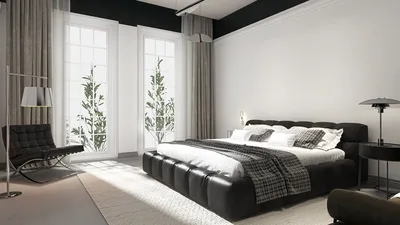


Creating a small kids' room designed to sleep two doesn't just involve cramming in furniture—it's about skillfully managing space, light, and daily routines to maximize functionality. In my experience, the most successful designs incorporate multifunctional beds, vertical storage solutions, and layouts that facilitate easy movement. Research from Steelcase indicates that cluttered and poorly designed spaces can lead to decreased concentration and heightened stress levels among children, emphasizing the importance of clear spatial organization for improving everyday life. The WELL v2 guidelines further support the concept of sleep-friendly environments, highlighting factors like light quality and acoustic control, which are particularly relevant in shared kids' spaces.
Quantitative data is crucial for making layout choices. The Illuminating Engineering Society suggests aiming for about 300–500 lux for task lighting in study areas, with warmer lighting in the 2700–3000K range during the evening to align with natural circadian rhythms. Moreover, colors play a significant role: verywellmind.com notes that cool blues and soft greens can mitigate anxiety, while intense reds may overstimulate—thus, bright colors should be used sparingly. When planning storage solutions, ensure a minimum depth of 10–12 inches for shelving above desks to prevent head injuries, and maintain at least 24–30 inches of clear walking space for safe movement.
Effective Space-Saver Bed Styles
In compact spaces, I begin by delineating areas for sleeping, studying, and playing, before selecting a bed format that optimizes floor space.
Opting for vertical stacking immediately clears up valuable floor space. Seek models that feature drawers beneath the lower bunk and a slender wardrobe at either the head or foot of the bed. Ensure guardrails extend at least 5 inches above the mattress for safety, and choose a ladder design with deep steps for secure footing. Adding an LED strip underneath the upper bunk can provide approximately 300 lux of illumination for the lower sleeper without causing glare. For small rooms with complicated door swings, a compact L-shaped bunk featuring corner steps can double as a mini closet.
A loft bed positioned above a parallel daybed creates a cozy nook. The daybed can be used as a sofa for socializing, making the space feel larger during the day. Position the desk beneath the loft bed to maintain an open flow. For testing various arrangements, utilizing a room layout tool like Homestyler can help you anticipate clearances and circulation effectively before finalizing your design.
In rooms measuring under 90 sq ft, a low-profile bed equipped with a rollout trundle often presents the simplest solution. The trundle can store bedding during the day and easily pull out at night, requiring a minimum of 36 inches of clearance. Pair this setup with a wall-mounted folding desk to maximize daytime floor space.
Arranging two twin beds in an L-shape while sharing a single upholstered headboard with built-in shelves and sconces can effectively minimize furniture clutter and maintain an open center for play. This layout proves beneficial for siblings with varying sleep schedules, as each can have task lighting controlled by separate switches to respect individual routines.
Low platform beds promote spacious sightlines and create an illusion of higher ceilings. Using deep drawers (at least 10–12 inches) for storage eliminates the need for a dresser, freeing up wall space for a shared desk. Elevate one platform slightly and incorporate a small safety lip to establish visual levels and offer built-in seating for reading.
Designing for Movement and Space Optimization
In compact rooms, every inch counts. I typically recommend aiming for 24–30 inches of walkway around bed edges, with 36 inches of clearance in the main path leading to the door, and no less than 18 inches between the bed and any wardrobe doors. If bunk beds are chosen, a ceiling height of at least 8 feet is ideal, allowing for 33–36 inches between the upper mattress and the ceiling to alleviate feelings of confinement. When space allows for a window wall, consider placing a low bed beneath the sill (with blackout shades) to maintain access to natural light during the day.
Creating a Layered, Kid-Friendly Lighting Scheme
Incorporating layered lighting is imperative: ambient (flush-mounted or semi-flush ceiling lights), task (sconces, desk lamps), and night lighting must all coexist. Utilize warm 2700–3000K LEDs on dimmers for nighttime and 3500–4000K lights for active work when focus is needed. Controlling glare is important; consider using diffusers and indirect lighting beneath bunk beds. The WELL v2 standards highlight the importance of limiting blue light exposure at night to foster healthy sleep patterns—implementing amber nightlights with motion sensors can help facilitate safe navigation without disturbing nighttime rest. Motion-activated toe-kick lights under platforms are practical and popular with children, helping to avoid injuries.
Utilizing Color Psychology for Relaxation and Liveliness
Striking a balance between calming base colors and vibrant accents is key. Soft blues, sage, or muted lavenders used on large surfaces can create a peaceful backdrop. Express individuality through removable decals, bedding, and pinboards instead of opting for vivid wall paints. Research from verywellmind.com on color psychology indicates that shades of blue can help reduce both heart rate and anxiety, whereas bold reds and oranges should only be utilized in small doses to invigorate without overwhelming.
Enhancing Acoustic Comfort in Shared Spaces
With two kids, noise levels can double. Adding a soft rug (made of wool or dense nylon), cork bulletin boards, and fabric curtains can significantly absorb high-frequency sound. Upholstered headboards can also mitigate nighttime noise. If one child is studying while another plays, consider installing partial-height acoustic panels or bookcases to act as sound barriers in the study area. Door sweeps and felt bumpers can help dampen slamming noises—simple adjustments with substantial benefits.
Innovative Storage Solutions That Preserve Floor Area
Prioritize vertical space and built-in solutions. Choose floor-to-ceiling wardrobes with deep drawers at lower levels, making them accessible for younger kids to encourage independence. Over-the-door racks and slim 8-10 inch deep book ledges can reclaim otherwise wasted spaces. For bunk arrangements, assign each child their own cubby and a hook rail near their pillow to minimize clutter. Clear bins with picture labels can transform cleanup into a quick and easy routine, reducing morning chaos.
Ensuring Safety and Ergonomics
Always verify bunk bed ratings for age and weight appropriateness; generally, the upper bunk is safe for kids aged 6 and above. Choose furniture with rounded edges, secure dressers with anti-tip straps, and wall-mounted shelves. Ladder designs should provide 10–12 inch spacing between rungs and feature non-slip treads. Ensure outlets are convenient yet out of reach of the top bunk to prevent accidents—cords should be discreetly routed using cable clips and grommets. If including a desk, target a desk height between 24-28 inches with an adjustable chair to ensure children can keep their feet flat on the floor or on a footrest.
Establishing Micro-Zones for Sibling Cooperation
Create distinct personal areas without constructing walls. Use color differentiation—one child’s accents in teal, while the other's are coral—on bedding and storage bins. Provide each child with their own small pinboard and designated drawer color to avoid mix-ups. Separate lighting controls allow one sibling to read without disturbing the other. A shared central rug can define a communal play area, while under-bed drawers can be allocated to each child's side for clear ownership separation.
Strategic Layouts: Three Effective Designs
Position a bunk against the door wall to maintain an unobstructed window, placing a long desk beneath it for natural light access. Incorporate blackout shades to mitigate screen glare, while ensuring a 36-inch path from door to desk for ease of movement.
Consider L-shaped twin beds situated in the far corner with a shared headboard wall; the opposing wall can serve as a 20-24 inch deep wardrobe with integrated shelving to maintain a spacious center area.
Align two low platform beds along the side walls, incorporating under-bed storage, while maintaining a central 30-inch corridor for play. Install wall sconces above each pillow for nighttime reading.
When evaluating these designs, utilizing an interior layout planner can visually highlight any necessary trade-offs regarding door swings, trundle accessibility, and desk reach. Experimenting with a room design visualization tool like Homestyler can spot potential issues before executing the layout.
Choosing Materials That Are Sustainable
When making selections, prioritize low-VOC finishes for improving indoor air quality. Opt for solid wood or CARB Phase 2-compliant plywood rather than inferior particleboard to ensure durability. Select fabrics that are both durable and easy to clean—like solution-dyed acrylic or cotton blends—for headboards and cushions. Modular designs that adapt to changing needs (such as a trundle that transitions into storage or a loft that turns into a standard bed) can reduce future waste and expenses.
Designing With Behavioral Patterns in Mind
Be mindful of common daily challenges like the morning rush and bedtime routines. Designate a ‘grab zone’ by the entrance featuring hooks set at child height, a shoe tray, and a checklist clip for reminders. Consider incorporating dimmers for bedtime, along with a designated ‘quiet shelf’ for books and a warm LED lamp. For siblings with staggered bedtimes, blackout curtains, white noise machines, and softly aimed sconces can help create a more harmonious sleeping environment.
Determining the Ideal Bed Type for Your Space
Refer to Trusted Resources
For reliable standards in design and wellness, I frequently consult resources like the WELL v2 framework for insights on lighting and sleep health, as well as Steelcase research that explores how environmental design influences behavior. Discover more detailed information about WELL v2 and Steelcase Research.
Common Questions and Answers
Aim for a distance of 33–36 inches from the top of the upper mattress to the ceiling. This measurement decreases the feeling of constriction and enhances comfort when sitting up.
Most manufacturers advise that children should be at least 6 years old to use the upper bunk. Always verify that guardrails extend at least 5 inches above the top of the mattress and ensure the ladder is securely fastened with non-slip steps.
Utilize warm 2700–3000K dimmable LEDs and shift to minimal night lighting once bedtime arrives. It’s advisable to avoid intense blue lights during the hour leading up to sleep, in accordance with WELL v2 recommendations to foster healthy circadian rhythms.
Plan for 36 inches of clearance to fully pull out a trundle bed, positioning it away from door swings, and choose a lightweight area rug that won’t interfere with the rollers.
Typically, a longer desk (60–72 inches) with dual task lights can be more efficient in terms of space. Incorporate drawer pedestals or vertical pegboards to craft personalized zones.
Soft hues like blues, greens, and neutral shades create a calming environment, while vibrant colors function best as small accent pieces. Verywell Mind research indicates that blue can help reduce anxiety levels.
Introduce soft materials such as textiles, upholstered headboards, curtains, and area rugs. A small white-noise machine can help mask disruptive sounds. Adding felt pads under doors and drawers can minimize noise impact.
Incorporate under-bed storage, full-height wardrobes, overhead hooks, and narrow book ledges. By assigning color-coded storage bins, each child can maintain ownership over their designated space, thus expediently facilitating cleanup routines.
Yes, as long as the combined height of the mattress and guardrail maintains a distance of 33–36 inches from the ceiling. Be sure to place a task light beneath the loft with diffusers to mitigate glare in the lower area.
Choose flexible systems that can transition; for instance, a trundle can provide additional storage, while a loft can be converted into a standard bed, allowing for neutral wall palettes with interchangeable accents. Selecting durable materials will extend the longevity of the arrangement.


Homestyler is your go-to online home design platform, offering a user-friendly design tool, stunning 3D renderings, and a plethora of inspiring design projects. Plus, with DIY video tutorials, transforming your home has never been easier or more enjoyable. Start designing today!
Zaprojektuj teraz za darmo
































