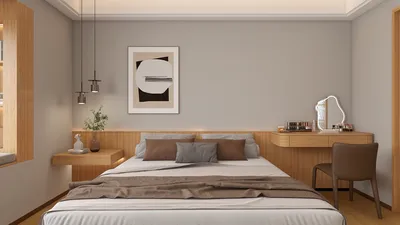


In small venues, effective use of every inch is crucial. Spaces such as Nabar Guruji Hall highlight how the distinction between feeling cramped and inviting relies heavily on aspects such as clear circulation pathways, diverse lighting options, and adaptable furniture. Through my numerous projects, I've observed that tailoring the environment to support specific purposes—like ceremonies, community gatherings, workshops, and intimate performances—can greatly enhance productivity, increase dwell time, and create a sense of spaciousness.
Research supports this design philosophy. The WELL v2 Light standards suggest that multi-purpose areas should have lighting levels between 300 and 500 lux, while maintaining a Unified Glare Rating (UGR) of under 19 for visual comfort. Additionally, findings from Steelcase show that environments designed for flexibility and reconfigurable setups lead to increased engagement and smoother transitions between different activities. Practically, this involves combining movable seating with distinct lighting zones and straightforward wayfinding to allow a small hall to seamlessly adapt from a devotional event to a panel discussion within minutes. For more insights on light quality and comfort, check the WELL v2 guidelines at wellcertified.com and Steelcase research at steelcase.com/research.
Establishing Core Intent and Flow
I begin by identifying three key elements: the main focal wall, the primary aisle, and the service pathway. A well-thought-out layout for a compact hall should offer an unobstructed view of the stage or sanctum, a main circulation route that bypasses the presenter’s area, and a subtle service route for catering, audiovisual needs, and storage. Ensure that clear aisles maintain a minimum width of 900 mm (36 in), and cross-aisles measure between 1,100–1,200 mm (43–47 in) to prevent crowding during entry and refreshment breaks. If experimenting with seating arrangements or altar/stage placements, an interior layout design tool like the room layout planner can provide accurate simulations of sightlines and foot traffic.
Optimizing Seating While Maintaining Comfort
For chair configurations, allocate about 500–550 mm (20–22 in) for each seat's width, with 850–900 mm (33–35 in) between rows for short events. For longer sessions, increase spacing to 950–1,000 mm (37–39 in) to enhance comfort and facilitate quicker exits. If floor seating is the cultural norm, designate mat sizes of 600×900 mm (24×36 in) and include soft aisle markers for smooth movement. I keep 5–8% of the seating as stackable or nesting chairs to accommodate elders or latecomers. This blended approach supports dignity and prevents crowd congestion in the space.
Stage, Sanctum, and Visual Focus
Even modestly sized stages (3.0–4.5 m wide) can make a significant impact with appropriately layered backdrops and focused lighting. Setting the stage height between 300–450 mm (12–18 in) ensures clear views in compact venues, as overly tall platforms can become overwhelming. Frame the focal area using warm, low-gloss materials and maintain a contrast ratio of roughly 3:1 between the subject and adjacent backgrounds to capture attention effectively without glare. Utilize a pair of 15–25° beam spotlights at 2700–3000 K to enhance the appearance of speakers and devotional icons while adhering to WELL v2 contrast recommendations.
Lighting for Atmosphere, Clarity, and Recording
Small venues frequently serve as recording or live streaming sites. I typically set baseline ambient lighting at 200–300 lux and include dimmable options to boost this to 500 lux when necessary. Maintain consistent Core Color Temperatures (CCT) across zones: keep 2700–3000 K for ceremonies and evening events, while opting for 3500–4000 K for talks and workshops. Adhere to IES glare control by shielding downlights and employing wall washers to enhance vertical illumination, as faces are best viewed in the 150–250 lux range on vertical surfaces. Incorporate indirect cove lighting for gentle, shadow-free illumination and specify CRI 90+ to highlight vibrant textiles and floral arrangements.
Color Psychology and Material Selection
In compact settings, color should soften harsh lines and draw attention to focal points. I prefer using soft, warm neutral tones (like taupe or muted cream) on perimeter walls to create a sense of spaciousness, while richer colors or textured wood on the stage area serve to capture focus. According to research from Verywell Mind, warm colors foster hospitality, whereas cooler neutrals assist with concentration; balancing these tones by using warm shades in congregation areas and slightly cooler hues in circulation zones creates an environment that feels organized yet vibrant. Select low-sheen finishes to minimize glare and consider Class A fire-rated wall panels or mineral acoustic plasters in areas with candles or diyas.
Acoustic Strategy: Clear Speech, Warm Sounds
Hard, parallel surfaces often create echo and auditory fatigue. Aim for an average Noise Reduction Coefficient (NRC) of 0.6–0.8 in the audience area for clear speech. Implement a checkerboard pattern of acoustic panels or fabric-wrapped battens along side walls, complemented by a perforated panel at the back to manage low-mid frequency buildup. Incorporating under-seat absorptive materials (like upholstered chairs or felt cushions) stabilizes sound when occupancy is low. Ensure the availability of two types of microphones—one fixed at the lectern and one handheld—to minimize crowding around a single speaker.
Managing Circulation, Ritual Logistics, and Safety
Create a seamless transition between ritual offerings and social interactions. I place a 1.2–1.5 m (4–5 ft) service station near the entrance for shoes, water, and prasad, which is subtly screened by a half-height partition or plants to avoid visual clutter. Ensure exit pathways are clear and visible; aim for at least two exits for spaces that exceed local occupancy limits. Low-level guidance lighting along the primary aisle aids safe movements during dimmed ceremonies.
Storage Solutions to Enhance Space Perception
Clutter is the quickest way to make a venue feel small. I allocate approximately 12–15% of the total floor area for storage in petite spaces: this includes carts for folding chairs, stacks of cushions, collapsible risers, and storage bins for AV equipment. By providing thoughtful organization—such as hooks for decorations, drawers for supplies, and labeled bins for cables—setup times are reduced significantly, allowing volunteers to operate more intuitively.
Adaptable Furniture and Quick Layout Changes
Select three core layouts that can be switched within 10–15 minutes: devotional focus, panel discussions, and community dining setups. Opt for lightweight chairs with connectors, narrow trestle tables (600–700 mm) for easier navigation, and foldable lecterns. Mark hidden layout reference points on the floor or use decorative tiles to help align rows without measuring tools. To practice crowd flow and sightlines in advance of events, utilizing a layout planning simulation tool can greatly expedite decision-making.
Audio-Visual Setup, Power Management, and Visibility
Position power outlets along the perimeter with two floor boxes near the stage to minimize tripping hazards. Position speakers slightly in front of the stage to reduce audio feedback. For visual presentations, consider short-throw projectors or a 98-inch display that maintains visual clarity in constrained spaces, but ensure balance in reflectance—using matte screens and low-gloss finishes around displays will help maintain contrast. Utilize cable management solutions to keep visual noise to a minimum.
Comfort Features: Airflow, Lighting, and User Considerations
Temperature control can fluctuate significantly in crowded rooms. Install ceiling fans with low-profile blades to quietly circulate air at heights above 2.4 m (8 ft) and design operable windows for cross-ventilation. Ergonomics of seating are vital, even for brief events—offer lumbar support options and include bariatric chairs. Additionally, create a small corner for parents and infants with soft lighting around 150 lux and acoustic draperies to provide a comfortable area for families without disrupting the event.
Material Choices, Upkeep, and Sustainability
Select finishes that are both durable and easy to maintain: consider quartz or dense granite for counters used for offerings, antibacterial laminates for surfaces in service areas, and seamless vinyl or moisture-resistant carpet tiles for the main floor. When dealing with oils or incense, opt for non-porous materials in focal areas, adding discreet trays to catch drips. Utilize sustainably sourced timber, low-VOC paints, and LED lights with replaceable components to minimize environmental impact.
Signage and Ritual Graphics for Wayfinding
Simple and discreet signage is essential for the comfort of first-time visitors and elderly attendees. Incorporate bilingual symbols, high-contrast text, and consistent placement at a height of 1,400–1,600 mm (55–63 in). Decorative floor elements or hand-crafted motifs can subtly direct individuals towards offering queues while reinforcing the venue's identity without adding clutter.
Effective Layouts for Small Halls
- Center the stage/sanctum along the short wall
- Arrange floor seating at the front with 2–3 rows of chairs at the back for elders
- Include two side aisles measuring 900 mm (36 in) and one central aisle of 1,200 mm (47 in)
- Apply vertical wall washing behind the focal point with 2700–3000 K key lighting
- Use a fan-shaped seating layout for optimal visibility
- Maintain 1,000 mm (39 in) row spacing to allow note-taking
- Set ambient lighting to 3500–4000 K with adjustable beam spots for speakers
- Place acoustic panels at the primary reflection points to enhance clarity
- Employ narrow trestle tables in two sections, facilitating a 1,200 mm (47 in) service corridor
- Organize a service area upon entry to streamline queue management
- Utilize warm ambient lighting at 200–250 lux with low-level aisle lighting for safe movement
Color and Décor Harmony
Maintain a ratio of 60/30/10: 60% neutral colors for a calming effect, 30% textured natural materials (timber, cane, stone) for depth, and 10% vibrant accents (like saffron, marigold, or deep teal) to create a festive atmosphere.
Operational Guidelines: The Playbook
Develop a laminated set of layout cards featuring counts for each arrangement, a list of lighting presets (for ceremonies, talks, dining, etc.), and a concise five-minute shutdown checklist. Rotating volunteers through responsibilities (AV, seating, prasad) ensures that no single area becomes cluttered. With a well-organized toolkit and clear roles, small venues can function effortlessly.
Frequently Asked Questions
Q1. How much lighting should be present in a small hall for diverse uses?
A1. Aim for ambient lighting of 200–300 lux, with the ability to increase to 500 lux in task areas. Keep glare controlled (UGR ≤ 19) while aiming for vertical illuminance of about 150–250 lux on faces for clarity.
Q2. What is the ideal color temperature for ceremonies compared to talks?
A2. Ceremonies are most inviting at 2700–3000 K, whereas talks and workshops benefit from 3500–4000 K to encourage alertness without feeling cold.
Q3. How can I accommodate more attendees without creating a cramped environment?
A3. Utilize narrower trestle tables (600–700 mm) with closely grouped chairs measuring 500–520 mm wide, ensure 900 mm side aisles remain clear, and design a fan-shaped row arrangement to enhance sightlines without increasing the number of rows.
Q4. What is the fastest method to rearrange seating configurations?
A4. Standardize three arrangements and mark reference points on the floor. Use mobile carts for furniture storage and implement a two-person setup system to ensure you stay within the 15-minute target. Utilizing a design visualization tool can help you finalize counts and spacing before the event day.
Q5. How can I mitigate echo in a compact hall?
A5. Aim for an NRC of 0.6–0.8, employing a combination of acoustic wall panels, ceilings, and furnishings. Break up any parallel surfaces and install absorptive materials near the first reflection points by the speakers.
Q6. What materials are best suited for dealing with incense, oil, and high foot traffic?
A6. Use non-porous, low-sheen finishes in focal areas (such as stone or ceramics), select stain-resistant carpet tiles or seamless vinyl for flooring, and opt for washable paints with low VOC content.
Q7. How can I plan power and audio-visual setups without creating visual clutter?
A7. Ensure you have power sources along the edges with two floor boxes positioned near the stage. Choose short-throw projection options or large displays, incorporate cable management solutions, and position speakers slightly ahead of the stage to reduce feedback issues.
Q8. What is a reasonable percentage of floor space to allocate for storage?
A8. Allocate around 12–15% of the total floor area for essential items like chairs, cushions, audio-visual equipment, and ritual materials. Label items clearly and store frequently accessed materials within a close distance from the main setup area.
Q9. Any recommendations for wayfinding that is considerate of both elders and newcomers?
A9. Incorporate high-contrast, bilingual signs positioned at a height of 1,400–1,600 mm. Utilize consistent iconography and add low-level lighting to assist with safe navigation in dim settings.
Q10. How can I blend tradition with comfort in seating arrangements?
A10. Combine floor seating for devoted attendees with rows of supportive, upholstered chairs at the rear. Retain 5–8% flexible seating options for seniors, guests, and late arrivals to ensure everyone is accommodated.
Q11. What are effective acoustic standards during spoken presentations?
A11. Aim for a Speech Transmission Index (STI) between 0.6–0.75 by managing reverberation, use distributed absorptive materials, and have a dedicated lectern microphone along with a handheld mic option to facilitate clear communication.
Q12. How do I ensure thermal comfort when the venue reaches full capacity?
A12. Integrate ceiling fans (with quiet, balanced blades) alongside operable cross-ventilation windows or correctly sized HVAC systems and ensure clear air return routes to prevent heat buildup at the ceiling.
What began as an Autodesk innovation has evolved into a design platform used by more than 18 million people around the globe. Homestyler combines powerful rendering, an intuitive editor, and a vast furniture library to help you turn inspiration into photorealistic designs — whether you're redesigning a single room or planning an entire home.
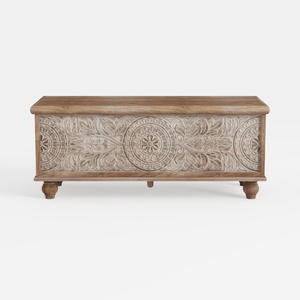
Vintage Carved Solid Wood Storage Bench 3D Model
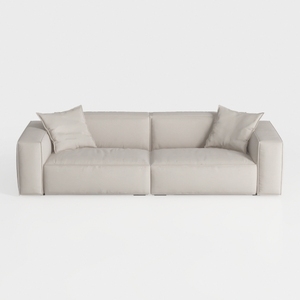
Minimalist Beige Fabric Modern Sofa with Throw Pillows 3D Model
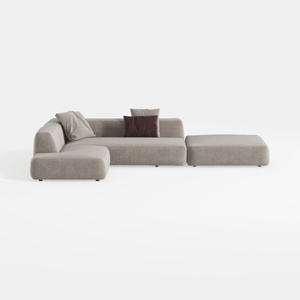
Minimalist Fabric L Shaped Sectional Sofa with Ottoman 3D Model
Homestyler is the ultimate online home design platform for anyone looking to transform their space. Its user-friendly design tool makes it easy to create stunning interiors, while the extensive 3D rendering and inspiring video tutorials guide you through every project. Discover your dream designs today!
Desain sekarang Gratis
































