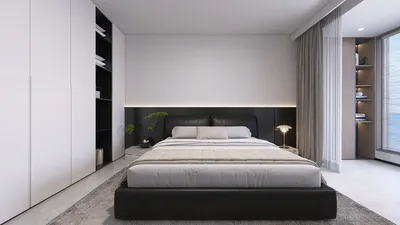


As a professional designer specializing in small space solutions, I've found that selecting the right twin bed can greatly enhance comfort, circulation, and storage functionality that larger beds often overlook. In various settings such as studios, guest rooms, dormitories, and micro apartments, twin beds provide a way to respect essential movement zones while maintaining a practical living space. Research from Gensler’s U.S. Workplace Survey highlights that spatial flexibility is linked to increased performance effectiveness, which underscores how versatile furniture options, including twin beds, can enhance everyday experiences. From a wellness perspective, maintaining adequate space and ergonomic reach aligns with WELL v2 recommendations aimed at reducing strain on the body, a principle that the compact footprint of a twin bed naturally supports.
Design Considerations: Dimensions and Mobility
A standard twin bed measures approximately 38" x 75", with the twin XL size being 38" x 80". When designing compact areas, I recommend having at least a 30" walking clearance on one side to facilitate safe movement and ease in making the bed. Research from Steelcase shows that improved ergonomics can lead to reduced fatigue and enhanced focus; thus, ensuring these clearances is crucial for daily functionality. If you're planning your layout, utilizing a room layout tool can effectively help visualize bed positioning along with the arrangement of nightstands, wardrobes, and desks before finalizing your decisions.
Choosing the Right Twin Bed: Options and Flexibility
For adult individuals or taller teens, the twin XL is typically my recommended choice. Daybeds can serve dual purposes as seating during the day and sleeping platforms at night, making them a perfect option for flexible studio living. Platform twin beds equipped with integrated slats enhance mattress ventilation and are generally lower-profile, which lessens visual bulk. Upholstered frames can absorb sound and offer tactile comfort, while wooden frames deliver a touch of warmth and a sleeker appearance.
Optimizing Under-Bed Storage Solutions for Spatial Flow
In tight spaces, the challenge of storage often conflicts with circulation needs. I prefer utilizing full-extension drawers beneath platform twin beds rather than open bins, as drawers provide a neater appearance and help maintain order. Ensure a clear space of at least 24–30" in front of the drawers to prevent obstructing movement. For extremely compact arrangements, a hydraulic lift-up storage base is invaluable, allowing for easy access while keeping floor space clear.
Maximizing Comfort: Daybeds and Trundles
Trundle twins are, in my experience, the ideal solution for guest rooms or home offices that cater to occasional overnight visitors. It's important to use trundles with locking casters and ensure a clearance of at least 36" on the side where they pull out. A daybed adorned with bolsters can effortlessly resemble a sofa, adding versatility for work or relaxation while remaining guest-friendly.
Utilizing Vertical Space: Bunk Beds and Lofts
Leveraging vertical space can significantly free up floor area. Bunk beds should maintain a head clearance of approximately 33–36" above the upper mattress to minimize the risk of bumps. Lofting twin beds opens up room underneath for desks or reading corners; I always consider lighting and cable arrangements ahead of installation to avoid last-minute adjustments.
Choosing the Right Mattress: Support and Breathability
In constrained environments, mattress thickness can influence the perception of space. I typically suggest mattresses within the 8–12" range for low-profile frames to maintain clear sightlines. Hybrid or latex mattresses strike a balance between support and airflow, and when selecting a mattress for a daybed, it's essential to check the cushion firmness to ensure comfortable seating for prolonged use.
Understanding Color Psychology and Room Perception
Using cooler, lighter shades can visually recede and expand a room's aura. An overview of color psychology by Verywell Mind shows that blues and soft neutrals evoke tranquility, making small rooms feel restful. I frequently use mid-tone woods or matte finishes to prevent glare and keep bedding in coordinating tones to reduce visual clutter.
Layered Lighting: A Necessity in Small Spaces
Effective lighting for smaller areas incorporates multiple layers. A low-glare wall sconce emitting warmth in the 2700–3000K range near the bed serves as both task lighting and a space-saving solution. Complying with IES guidelines on glare avoidance means diffusing light and steering clear of exposed bulbs at eye level. Ambient lighting through ceiling fixtures or cove LEDs softens shadows and creates an illusion of spaciousness.
Enhancing Acoustic Comfort in Space-Constrained Bedrooms
Thin walls and hard flooring can amplify noise levels. To mitigate this, upholstered headboards, woven textiles, and lined curtains can reduce sound reflections. If the bed is adjacent to shared living spaces, densely packed bookcases or fabric panels can significantly enhance acoustic privacy without the need for extensive renovations.
Prioritizing Ergonomics and User Comfort
The height of the bed should ensure that knees and hips are comfortably aligned when seated, generally around a seat height of 16–20". Nightstands suited for twin configurations work best at heights of 22–26". It's essential to place power outlets within easy reach to avoid awkward movements, and organize cords using clips to prevent nighttime entanglements.
Achieving Balanced Spatial Ratios and Rhythm
In narrow rooms, I focus on achieving balance: positioning a twin bed on one side, a slim wardrobe on the opposite wall, and incorporating a mounted desk. Creating visual rhythm through matching finishes between the bed frame and storage solutions is effective. If there's a window, I orient the twin bed to maximize natural light while reducing glare on surfaces.
Innovative Multi-Use Twins for Studio Living
In studio apartments, a twin daybed paired with a trundle alongside a fold-down wall desk creates a highly functional arrangement. Maintaining a clear circulation loop through the entry, desk, wardrobe, and bathroom is key, and a design simulation tool can help confirm clearances prior to investment.
Sustainability and Choice of Materials
Choose GREENGUARD Gold-certified mattresses and prioritize solid woods or responsibly sourced veneers. Natural textiles—such as cotton, linen, or wool—enhance comfort by offering breathability during sleep. Avoid overly shiny surfaces that may showcase clutter; instead, opt for matte or eggshell finishes that conceal fingerprints and reflections.
Clutter-Free Styling Techniques
Utilizing two pillows and a lumbar cushion enables the bed to serve as both a sleeping and reading area without feeling overcrowded. A slender throw blanket at the foot can add dimension without creating bulk. Ensure that wall shelves installed above the headboard are positioned at least 12" above the pillow tops to prevent accidental bumps.
Creating Safe Kid’s Rooms
In children’s spaces, round corners, secure ladders for bunk beds, and guardrails that extend at least 5" over the mattress surface are essential. Store toys in soft bins below the bed or in lower cubbies to minimize potential trip hazards.
Guest Room Transformations: Work and Sleep
A twin daybed can serve dual purposes for video conferencing during the day and accommodating guests at night. Install task lighting and incorporate a small folding table that can function as a nightstand or a laptop workspace. Offer breathable bedding options and a lightweight duvet to cater to varying comfort preferences.
Quick Layout Planning Checklist
- Confirm bed dimensions and necessary clearances (30" walking path target).
- Strategically pre-plan outlet placements, lighting, and cable pathways.
- Assess storage access distances (24–30").
- Distribute mass evenly throughout the room, avoiding overloading a single wall.
- Implement light, matte finishes and layered lighting schemes to minimize glare.
Tips for Optimizing Floor Plans in Small Rooms
1. For rooms with doors and windows opposite each other, position the twin along the longer wall to maintain a direct circulation path. Place the head near the quietest corner and consider a narrow floating shelf for bedside storage when floor space is limited.
2. In attics or areas with sloped ceilings, select low-profile frames to mitigate head bumps. Ensure that the pillow end of the bed is oriented away from the lowest point of the ceiling, utilizing wall-mounted reading lights for convenience.
3. For narrow but elongated rooms, positioning a twin XL along the longer wall with a wall desk offers a balanced look. Center a ceiling light fixture above the main circulation path to minimize shadows.
FAQ
Q1: Is a twin bed adequate for adult use?
A1: For average-height adults, the twin XL (38" x 80") usually affords ample length while maintaining room circulation. Pairing with a supportive mattress and appropriate pillow size ensures comfort.
Q2: What is the recommended clearance around a twin bed?
A2: Aim for a minimum of 30" on one side for ease of movement and bed-making; prioritize the side that will be more frequently used if full clearance isn’t possible.
Q3: Between a twin and a daybed, which is preferable for studios?
A3: A daybed doubles as seating to enhance daytime usage. Incorporating bolsters for back support and a trundle for guests can maximize functionality.
Q4: What type of lighting is most effective near a twin in small areas?
A4: Wall sconces emitting warmth in the range of 2700–3000K are ideal, maintaining clear surfaces and reducing glare. Proper light diffusion is also recommended to avoid harsh bright spots.
Q5: How can I select suitable mattress thickness?
A5: An 8–12" thickness works well for low-profile frames, balancing support and contributing to a lighter visual appeal. Thicker mattresses may appear bulky in confined spaces.
Q6: Are twin bunks suitable for low ceilings?
A6: Yes, as long as there is approximately 33–36" headroom above the top mattress. In cases of significantly low ceilings, a lofted twin with an under-bed workspace might be more appropriate.
Q7: How do colors impact the perceived size of a room?
A7: Lighter, airy colors can create an impression of spaciousness and a soothing atmosphere. Blues and soft neutrals are particularly conducive to creating calm, restful environments in compact spaces.
Q8: What is the preferable method for under-twin storage?
A8: Utilizing integrated drawers or lift-up bases allows for concealed storage while maintaining clear circulation. Ensure there is 24–30" of access space in front of drawers for ease of use.
Q9: What strategies can be employed to control noise around a twin in an apartment?
A9: To absorb sound, consider upholstered headboards, decorative rugs, and lined curtains. Using bookshelves and fabric wall panels can also help reduce noise transfer between rooms.
Q10: How can I effectively plan a layout to avoid purchasing the wrong bed size?
A10: Implement a room design visualization tool to experiment with bed placements, confirm clearances, and simulate storage access before making any purchases. This approach ensures informed decisions.


Homestyler is your go-to online platform for transforming home design dreams into reality. With an easy-to-use design tool, stunning 3D renderings, and a plethora of DIY video tutorials, you'll find endless inspiration and the perfect support to create your ideal space—all at your fingertips!
Zaprojektuj teraz za darmo
































