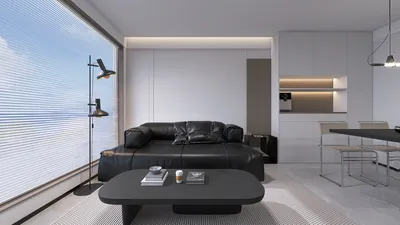


Transforming small floor plans with sliding doors can significantly enhance the overall aesthetic and functionality of a space. By eliminating the space typical swing doors consume, approximately 8-10 square feet, sliding doors offer an innovative solution especially in compact homes and apartments. As a designer who frequently works with limited spaces, I find that a well-crafted sliding door not only prevents hinge issues but also facilitates smoother movement within the area, presenting a modern and streamlined appearance. Research by Gensler highlights that less physical obstruction in workspaces correlates with a 27% increase in reported productivity, suggesting that homes can benefit similarly from reduced barriers. Thus, considering a sliding door becomes essential for improving daily interactions within your home.
The design of small spaces requires a delicate balance between privacy and openness. Sound insulation and light transmission play crucial roles in this context. According to Steelcase studies, sound privacy is paramount for focus and satisfaction, while the WELL v2 standard emphasizes the importance of managing glare and accessing natural light for visual comfort. A sliding door equipped with translucent panels (30-60% VLT) effectively enhances the user experience by controlling light and sound. A feasible option for DIY enthusiasts is to select a solid wood or MDF core, with a density between 28-34 kg/m³, coupled with soft-close hardware to minimize noise. Additionally, laminated glass or acrylic with a diffusing interlayer can maintain privacy while allowing gentle light infusion.
Planning Your Sliding Door
Start by defining your intention for the sliding door: consider factors like privacy, light management, and flow of movement. Measure the width and height of your opening, ensuring to add coverage as needed. Typically, I recommend sizing the door slab 1-2 inches wider than the opening to enhance light and sound control; for example, if your opening measures 30 inches, opting for a 32-inch slab can provide a better overlap. Track height should be measured from the finished floor to the finished header while ensuring at least 4-5 inches of clearance for hardware and trim. If you're reevaluating furniture placement or traffic paths, utilizing an interior layout planner—such as the one provided by Homestyler—can help visualize clearances and door movements, effectively managing any swing conflicts or sightlines in your design.
Hardware and Track Selection
Performance hinges on quality hardware selection. Choose a top-hung track that can support at least 1.5 times the weight of your door; for a door weighing 40 lbs (18 kg), a track rated for approximately 60 lbs is ideal for durability. Look for features such as ball-bearing rollers, adjustable hangers, and soft-close dampers. While wall-mounted 'barn' tracks offer simpler installation, ceiling-mounted tracks yield a more streamlined finish but require robust structural backing. Ensure a minimum clearance of 1/2-3/4 inch from the wall for slab movement, and check for any protruding trim that might obstruct travel. To minimize noise, opt for nylon or polyurethane rollers along with a closed track profile to reduce rattling.
Door Types: Solid, Glazed, and Hybrid
Opt for solid-core wood or MDF doors, which provide superior sound insulation (often achieving a 3-5 dB improvement over hollow-core counterparts). If natural light is essential, consider using laminated glass with a frosted interlayer that diffuses glare while allowing light flow from adjacent rooms. Warm, low-reflectance finishes such as matte lacquer, oiled ash, or painted MDF in an LRV of 50-65 enhance ambient lighting without overwhelming glare. For moisture-sensitive areas, like bathrooms, prioritize moisture-resistant MDF or compact laminate, along with corrosion-resistant hardware.
Ergonomics and Handle Placement
To facilitate comfortable use, ensure that handle placements allow for an easy reach and grip. Mount pulls at a height of 36-42 inches above the finished floor, keeping them closer to 36 inches for child-friendly access while positioning them nearer to 40-42 inches in adult-oriented spaces. For wall-sliding doors, consider using recessed pulls to avoid accidental bumps, and add a finger pull on the leading edge to simplify closing from within the room. For accessibility considerations, target a handle height of 34-38 inches and ensure the hardware operates smoothly with less than 5 lbf pull resistance.
Light, Color, and Visual Balance
Controlled brightness and color temperature are essential in small areas. Aim for general task lighting between 300-500 lux, utilizing warm white tones (2700-3000K) in living spaces and neutral white tones (3500-4000K) in work areas to provide clarity without harshness. Sliding door finishes should remain within your chosen palette's mid-tones to prevent contrast glare. Color psychology implies that cooler hues can create a sense of spaciousness, while warm neutrals are inviting; thus, employing a desaturated color scheme on the door can stabilize visual flow and keep the opening from becoming overwhelming.
Acoustic Comfort in Compact Layouts
Although sliding doors do not offer the same airtight seal as swing doors, various strategies can enhance acoustic performance. Implement solid cores, add perimeter brush seals, and utilize floor guides to stabilize the door slab. Incremental enhancements can significantly decrease everyday noise transmission, making a noticeable improvement in shared spaces. Install soft materials opposite the opening, such as rugs or acoustic panels, to absorb sound reflections and regulate reverberation time.
Materials and Sustainability
Whenever possible, opt for FSC-certified wood and low-VOC finishes to enhance indoor air quality. For a minimalist, contemporary aesthetic, consider birch-faced plywood or rift-cut oak veneer on an MDF core for a visually calming grain. If acrylic glazing is selected, use thicker sheets (8-10 mm) with a scratch-resistant coating; for glass, laminated safety glass is a prudent choice, especially for DIY projects.
Step-by-Step Build Guide
Identify stud locations and confirm that you have a solid header or blocking for the track installation. Check for any light switches or casings that might interfere with the door's movement, ensuring that you maintain clear wall space equal to at least the door width for a full opening.
Cut materials to size and sand the edges. If opting to paint, use a primer and finish with a couple of coats. For veneer applications, seal them using a low-sheen polyurethane.
Mark a level line and pre-drill into the studs or additional blocking at intervals suggested by the manufacturer. Set up the track, attach any included soft-close dampers, and ensure the track is smoothly leveled along its length.
Attach hangers to the door slab according to the instructions, keeping adjustment space in mind. Lift the door onto the track, adjusting plumb as necessary, ensuring a 1/2-3/4 inch offset from the wall.
Install a U or T guide aligned with the door's bottom edge. Add end stops to demarcate the open and closed positions, followed by testing the door's travel for a smooth operation.
Optionally, add side trim for a polished appearance and apply brush seals to enhance privacy and sound reduction. Caulk as needed for a seamless finish.
Refine the hanger height, assess handle ergonomics, and verify that your lighting setup does not produce glare on the door's face.
Layout and Circulation Tips
In confined spaces, maintain circulation pathways at least 30-36 inches wide to prevent pinch points. When a sliding door overlaps with cabinetry, ensure a minimum clearance of 1 inch for handle accessibility. If planning several changes simultaneously—including door placement, furniture, and storage strategies—simulate the arrangements using an interior layout planner like Homestyler to avoid conflicts and boost daily traffic flow.
Maintenance and Longevity
Regular maintenance involves vacuuming the track, wiping the rollers, and tightening the hanger bolts annually. Refinish wooden surfaces with a gentle scuff and coat every few years if they are frequently touched. Replace any compressed brush seals as needed, as a 20-30 minute seasonal checkup can keep the door functioning smoothly and quietly.
References for Standards and Research
For comprehensive guidelines on comfort and performance standards, refer to the WELL Building Standard regarding light and comfort, as well as research on movement, privacy, and satisfaction from trusted sources like Gensler Research and Steelcase Research.
FAQ
At a minimum, you will require wall space equal to the door's width plus an additional 1-2 inches for stops. For a 32-inch door, approximately 33-34 inches of clear wall space is necessary for full opening.
Standard interior slabs are typically 1-3/8 inches thick. For enhanced acoustics and stability, 1-5/8 to 1-3/4 inches is advisable, provided your hardware can accommodate the weight.
While no sliding door can be entirely airtight, using solid cores, brush seals, and soft-close hardware significantly mitigates daily noise levels. To further enhance sound control, pair the door with acoustic panels or rugs.
Many residential wall-mounted systems utilize a small floor guide instead of a full bottom track to prevent swaying. This approach offers safety and cleanliness, avoiding toe stubs.
Finishes such as matte lacquer, oiled wood, or satin paint help minimize smudges. High-gloss finishes should be avoided in high-contact areas, as they can amplify visible marks and glare.
When using laminated safety glass, ensure the hardware is compatible with the glass weight. Follow the manufacturer’s instructions precisely for handling. When in doubt, consult with a glazier for proper panel preparation.
Handle placements are generally positioned 36-42 inches above the finished floor. Utilizing recessed pulls helps prevent snagging when the slab slides against the wall.
Mounting the track so that the finished door maintains a clearance of 3/8–1/2 inch from the floor is important, ensuring alignment with adjacent trim lines. Confirm that the ceiling is level to maintain visual straightness.
Yes, spacers can be utilized to extend the track slightly to avoid baseboard thickness. It is critical to ensure the door standoff remains at 1/2-3/4 inch.
Select dampers catering to your door's weight and confirm that roller compatibility checks out. Heavier doors may necessitate dual dampers for consistent and reliable performance.
Adjust the track with shims, and modify hangers accordingly, making use of a floor guide with some leeway for lateral adjustments. Scribing the trim may help mask minor misalignments.
Use calm, desaturated tones combined with mid-to-high LRV finishes to reflect light gently while avoiding glare. Keeping the door close to the hues of adjacent walls promotes visual harmony.
Discover your dream space with Homestyler! This intuitive online design tool offers stunning 3D renderings, a vast selection of design projects, and helpful DIY video tutorials. Perfect for both beginners and seasoned decorators, Homestyler makes home design easy and inspiring!
Дизайн сейчас бесплатно
































