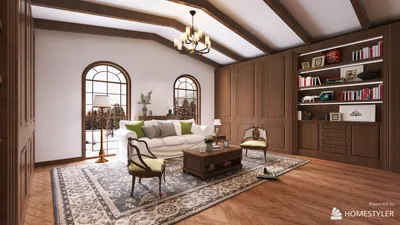


In my experience, I once attempted to fit a compact pellet stove into a playful corner, and the client humorously noted that it resembled a tiny robot standing guard over their books. This taught me the crucial lesson that both scale and positioning are vital. When considering a pellet stove for limited spaces, I typically begin by mapping out safe clearances and traffic flow. I frequently use sketching to explore various space planning configurations, allowing for a better visualization of options.
Transforming small spaces can inspire immense creativity. Throughout the years, I have assisted clients in turning diminutive living rooms and cozy cottages into warm and inviting retreats. Below, I share five practical ideas that I frequently rely on, incorporating real-world advantages, common obstacles, and budgeting advice so your compact area feels cozy without becoming cramped. Tools like Homestyler can be incredibly beneficial for visualizing these transformations.
1. Corner Pellet Stove with Slim Hearth
Positioning a slender pellet stove in a corner optimizes the usable floor space and establishes a natural focal point. This configuration is especially effective in open-plan studios designed to radiate warmth into the primary living areas. However, it’s important to take into account wall protection and the potentially limited heat distribution into further corners.
Tip: Select models that feature a shallow front projection to maintain clear walkways — I recommended this option for a client who required space for a foldable dining table.
2. Built-in Niche with Ventilation Channel
Creating a recessed niche within a non-load-bearing wall provides a built-in appearance while keeping the unit out of the central traffic zone. This creates an attractive integration; however, the challenge lies in managing exhaust routing and ensuring sufficient airflow. I often collaborate with an HVAC professional to implement a compact ventilation channel that maintains a tidy facade.
For those who wish to visualize how the niche will feel, I frequently create digital mock-ups using kitchen layout ideas to assess sightlines and clearances before any physical work begins.
3. Free-Standing Unit with Storage Combo
Combining a free-standing pellet stove with built-in storage or shelving above is a clever way to save space. This approach integrates a heating unit into your furniture system. However, it is essential to maintain a heat-resistant barrier between the storage and the hot surfaces of the stove.
Budget insight: merging storage with a stove can be an intelligent renovation choice; however, it may elevate carpentry costs if you opt for custom finishes.
4. Compact Stove on a Raised Platform
Elevating the stove on a small raised platform creates an airy illusion of more space and allows for concealed wiring or a shallow ash drawer underneath. I applied this technique in a tiny rental to facilitate easier cleaning and enhance the stove's furniture-like appearance.
Be cautious of height: too tall may obstruct sightlines, and too low diminishes storage advantage. Always verify the manufacturer’s clearance specifications when designing the platform.
5. Multi-Zone Heat Strategy with Small Pellet Unit
Rather than relying on a single large stove, exploring a compact pellet unit as part of a multi-zone heating plan could prove beneficial. It can efficiently serve the living area while supplementary electric or radiant heating covers the bedrooms. This method offers flexibility and a quicker installation process in tighter quarters, but ensure to have a plan for pellet delivery and storage.
Before making final decisions, I prefer to generate a quick 3D mock to confirm warm zones and furniture placements — this visualization aids in avoiding unexpected surprises. Using tools like Homestyler can help create functional 3D layouts for reassurance.
Tips 1:
Prioritize ventilation, clearance, and compliance with local codes. Consider professional installation for exhaust systems and carbon monoxide safety checks. Small enhancements like a heat shield, a reflective hearth, or a pellet storage bucket on wheels can significantly improve daily living.
FAQ
Q1: Are pellet stoves safe for small spaces?
A1: Yes, provided they are installed properly. It is crucial to adhere to clearance regulations, utilize approved venting systems, and implement a CO detector; I recommend professional installation in compact layouts.
Q2: How much space do I need around a pellet stove?
A2: Clearance requirements vary by model, but most compact units necessitate a few inches to a foot of space from combustibles; consult your manual for specific dimensions and plan your furniture accordingly.
Q3: Do pellet stoves require specific venting in apartments?
A3: Usually yes — a through-wall vent or chimney adapter along with landlord approval is necessary. Some buildings have restrictions on modifications, so it's important to verify rules prior to purchasing.
Q4: How noisy are pellet stoves in small rooms?
A4: Modern units are equipped with quieter augers and fans, though a low hum may still be audible. If sound levels are a concern, seek models with adjustable fan speeds and test their noise levels in a showroom.
Q5: What are the operating costs of a pellet stove?
A5: Costs will vary based on pellet prices and operational duration; many small homes experience lower heating expenses compared to electric heating. Efficiency ratings can help compare different models, with higher efficiency generally translating to reduced fuel expenses.
Q6: Can I install a pellet stove myself?
A6: While it is feasible for seasoned homeowners to undertake this task, I recommend hiring a certified installer due to venting and safety compliance concerns with local codes and manufacturer requirements.
Q7: Are pellet stoves environmentally friendly?
A7: Pellets are constructed from compressed biomass and combust cleaner than unseasoned wood. For insights on air quality and emissions standards, refer to resources from the U.S. Environmental Protection Agency (EPA) regarding residential wood heating.
Q8: How should I store pellets in a compact home?
A8: It is advisable to keep pellets dry and elevated from the floor in a ventilated container; small rolling bins or built-in niches are effective. Large quantities should not be stored in living areas — typically, a small sealed container near the stove suffices.
Discover your dream home with Homestyler! This user-friendly online design platform offers powerful design tools, stunning 3D renderings, and an extensive library of design projects. Plus, with engaging video tutorials, you can easily transform your vision into reality—perfect for all skill levels!
Design jetzt kostenlos
































