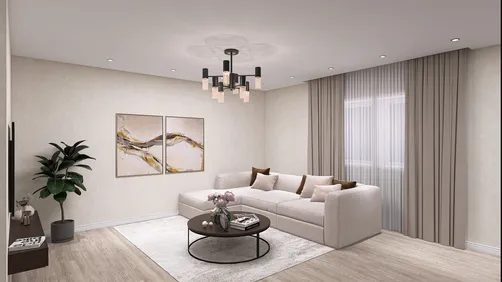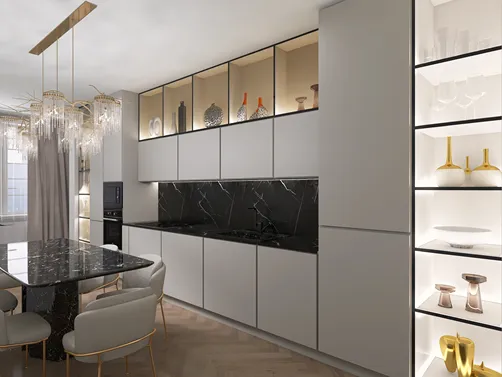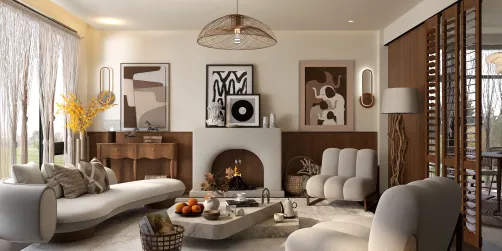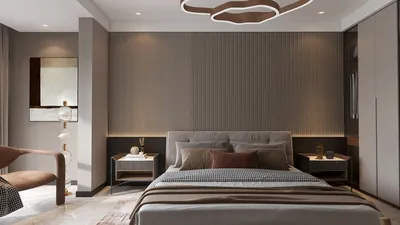



In my previous experience designing a compact apartment, I faced the challenge of creating a multifunctional space where an ottoman served multiple purposes: as a dining table, coffee table, and a hidden toy chest while being nestled between a loveseat and a radiator. This endeavor taught me invaluable lessons: working with limited square footage fosters inventive solutions. Small rooms require you to reconsider every item, and leveraging versatile furniture like an ottoman can make all the difference, especially when using tools like Homestyler to visualize spaces.
1. Storage ottoman for managing clutter
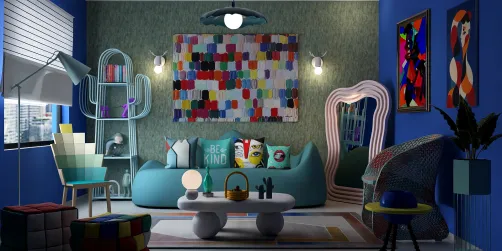
I highly recommend storage ottomans because they instantly provide surface area while discreetly concealing items such as blankets, magazines, or children's toys. The benefits are clear: one single piece serves multiple functions. However, do consider its weight; if relocation is necessary, opt for versions with wheels or lighter materials to ease the burden.
save pin
2. Nesting ottomans for adaptable seating
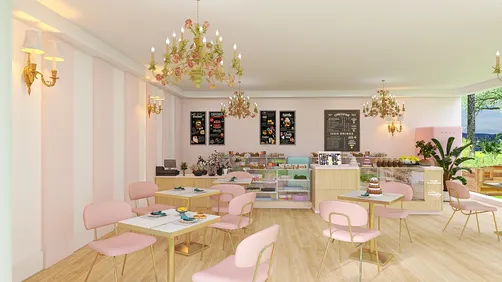
Nesting ottomans are my preferred choice when entertaining guests, as they won’t overwhelm the room with bulky furniture. These ottomans can slide neatly underneath one another and can be easily pulled out to provide additional seating or footrests. To maintain a serene visual aesthetic, I typically select muted colors or solid textures, avoiding overly busy patterns.
save pin
3. Ottoman with a removable tray—functions as a coffee table
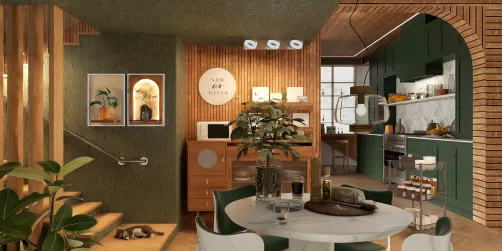
Incorporating a detachable tray on an ottoman transforms it into a sturdy surface suitable for drinks and snacks. This small but effective solution addresses the common issue faced in snug living areas where flat surfaces are few. My suggestion is to use a tray with raised edges to prevent spills and choose a lightweight version for ease of use when the ottoman is needed for additional seating.
save pin
4. Slim, rectangular ottomans for tight spaces
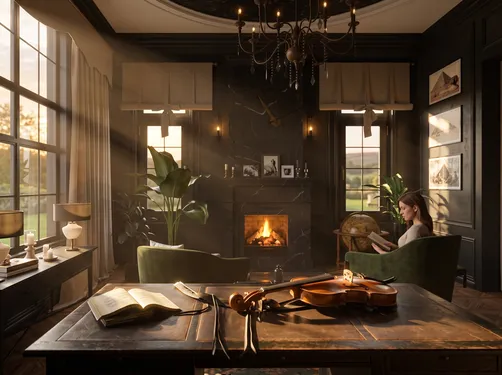
For narrow living areas, a long, slender ottoman positioned parallel to the sofa can help keep pathways clear. It appears visually lighter than a bulky square version and can serve as additional bench seating next to a window. While it offers less tabletop space, the improved flow and cleaner lines justify the trade-off.
save pin
5. Multifunctional ottomans with hidden compartments
For those in rented accommodations or tiny apartments, ottomans designed with hidden compartments for trays, remotes, or even a foldable laptop desk can be incredibly useful. I once created one that cleverly stored throw pillows alongside a small foldable table; my client appreciated the uncluttered aesthetic it provided. However, be aware of potential costs, as these types often require intricate designs and may be more expensive than simpler alternatives.
save pin
Tips for styling small spaces
Select pieces that are proportionate to your furniture and maintain a cohesive color scheme to minimize visual clutter. Additionally, consider utilizing an online room planner, like Homestyler, to experiment with layouts prior to purchasing items, ensuring they fit seamlessly within your space. Don’t forget to utilize vertical space: incorporating a slim shelf or wall-mounted lighting can free up valuable ottoman surface area for practical use.
save pin
Frequently Asked Questions
Q: What is the ideal size for an ottoman in a compact living room? A: Aim for an ottoman that is approximately two-thirds of your sofa's seat depth to maintain visual balance and keep pathways unobstructed. It may be helpful to take measurements or create cardboard cutouts for testing.
Q: Is it advantageous to have a storage ottoman? A: Absolutely — for small spaces, storage ottomans effectively minimize visible mess and combine functions, which offers greater savings in both space and money compared to multiple separate pieces.
Q: Can an ottoman take the place of a coffee table? A: Certainly! Use a tray for added stability and to protect the upholstery; select a firm-topped ottoman for those moments when it will frequently serve as a table.
Q: What type of upholstery is best for frequently used ottomans? A: Opt for durable, tightly woven fabrics like performance polyester or leatherette, which provide longevity and are easy to maintain.
Q: How should I select an ottoman color for a compact space? A: Stick to your existing color scheme; using a monochrome palette or tonal contrasts can assist in making the area feel more expansive, rather than overwhelming it with bold patterns.
Q: Are round ottomans better suited for smaller rooms? A: Round ottomans can enhance traffic flow due to their lack of sharp corners, but they typically provide less usable surface area compared to rectangular versions.
Q: Do you have budget-friendly ottoman suggestions? A: Look for simple wooden frames that come with removable cushions; you can later reupholster to give it a fresh appearance. Exploring local thrift markets often reveals excellent deals.
Q: Where can I discover professional help for room layouts? A: For precision in floor planning and visual planning, consider using reliable tools such as the free room layout creator offered by Homestyler.
save pin
What began as an Autodesk innovation has evolved into a design platform used by more than 20+ million registered users (platform data, 2026) around the globe. Homestyler combines powerful rendering, an intuitive editor, and a vast furniture library to help you turn inspiration into photorealistic designs — whether you're redesigning a single room or planning an entire home.
Homestyler is your go-to online home design platform, perfect for anyone looking to transform their space. With an easy-to-use design tool, stunning 3D renderings, and a wealth of DIY video tutorials, you can effortlessly create, visualize, and perfect your interior design projects.
Дизайн сейчас бесплатно