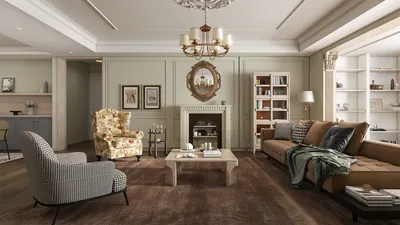


I've discovered that the feeling of spaciousness in small rooms isn't solely determined by their square footage. Instead, these spaces tend to feel cramped when light is limited, uneven, or poorly distributed. By implementing effective lighting strategies, we can visually extend walls, create the illusion of higher ceilings, and bring a soothing aesthetic to the space without the need for structural changes.
Light is quantifiable, and understanding its measurements is crucial. The Illuminating Engineering Society recommends lighting levels of approximately 300-500 lux for tasks, such as reading at a desk, and 100-200 lux for areas meant for casual movement (as per IES standards). Additionally, WELL v2 underlines the importance of achieving balanced brightness and managing glare to ensure visual comfort and support circadian health. It specifies guidelines on luminance ratios and advocates for warmer light spectra in the evening to minimize melatonin suppression. If your cozy nook struggles to reach 300 lux on work surfaces, or if your kitchen prep area suffers from excessive glare, you might experience eye strain, diminished focus, and a cluttered visual feel—taking away from the convenience that tools like Homestyler can provide when planning your lighting.
Layered Lighting: The Key Component for Small Spaces
My approach to designing compact rooms involves three distinct layers of lighting: ambient, task, and accent. Ambient light sets the foundation of illumination (ideally 200-300 lux in living and dining areas). Task lighting focuses on specific activities such as reading or cooking, boosting light levels to 300-500 lux for those tasks without flooding the entire area with brightness. Accent lighting contributes by adding dimension and a sense of hierarchy, gently illuminating a textured wall or a well-organized shelf, which offers visual anchors and diminishes perceived clutter while maintaining a moderate overall brightness level.
Color Temperature and Its Impact on Mood in Limited Spaces
I ensure a consistent color temperature across all lighting layers: 2700-3000K in living rooms and bedrooms, while kitchens and study areas benefit from 3000-3500K. Our perception in smaller environments is quite sensitive; combining 4000K downlights with 2700K bulbs can visually disrupt the room. A preference for warmer tones at night is in accordance with WELL v2 advice regarding circadian-friendly lighting, whereas a slight increase to 3500K can stimulate morning productivity without the starkness often associated with 4000K lighting in a diminutive bedroom.
Reducing Glare: An Instant Solution for Appearing Bigger
In small settings, glare can occupy an overwhelming portion of your visual field. I recommend utilizing recessed or shielded lighting with a Unified Glare Rating (UGR) of under 19 in task-focused areas. Employing matte finishes on nearby surfaces also helps; glossy countertops can intensify reflections under bright lights, creating unwanted hotspots. A linear wall washer with a gentle cutoff not only helps diminish scallops of light but also enhances the illusion of width in a room by achieving uniform brightness along vertical surfaces.
Illuminate the Walls, Not Just the Flooring
A sense of spaciousness is augmented when walls are bright and evenly lit. I try to achieve wall luminance that is a minimum of 0.5-0.7 of the horizontal task plane. Narrow rooms, in particular, gain significantly from techniques such as wall washing or grazing; positioning a linear fixture 12-24 inches from the wall creates a consistent vertical glow that visually extends the room's boundaries. Incorporating shelving with guide LED strips (dimmable and within the 2700-3000K range) serves to enhance both storage utility and softly diffuse light.
Creating the Illusion of Height with Light
To create the perception of a higher ceiling in a compact space, I steer clear of using intense downlights directly above seating areas. Instead, I favor uplighting—either through cove lighting or floor-based fixtures—to gently illuminate the ceiling with a soft gradient. A ceiling that appears brighter compared to walls enhances the feeling of height. It’s vital to keep the ceiling finish matte to diffuse uplight and reduce unwanted reflections.
Reflective Surfaces, Finishes, and Color Psychology Considerations
Small spaces benefit immensely from using high-reflectance, low-gloss surfaces. Walls with a Light Reflectance Value (LRV) between 60-75 can effectively bounce ambient light without causing glare. Additionally, color psychology is impactful; soft, neutral hues create a visually expansive feel, while a bold accent color behind a sofa can add depth without compromising the room's perceived size. Using brushed metallic accents can also help to avoid creating hotspots.
High-Impact Compact Fixtures
- Slim linear LED bars can be placed under cabinets, operating at 3000-3500K, with a color rendering index (CRI) of 90+, and offering 200-400 lumens per foot—perfect for kitchens and study desks.
- Mini track systems with adjustable heads allow you to light artwork or shelves effectively, preventing a flat appearance in the space.
- Surface-mounted disks with deep recess trims deliver the visual effect of recessed lighting without the need for altering shallow joists.
- Plug-in sconces with top-mounted openings offer upward lighting where hardwiring is impractical. Selecting dimmable options can be great for nighttime relaxation.
Prioritize Daylight: Layering Sheers and Directionality
Natural light remains the most effective way to make spaces feel larger. I often utilize dual-layer window treatments: sheer panels for daytime illumination and privacy, alongside blackout options for restful sleep. It's beneficial to position furniture at least 4-6 inches away from the window jamb to allow maximum light penetration. Choosing light-colored sills and side walls can further push daylight further into the interior.
Considering Human Factors: Eye Comfort, Tasks, and Behavior
Individuals adjust lighting to fit their activities rather than the reverse. Reading areas require effective contrast management, while kitchen counters need illuminated surfaces from the front or both sides to reduce reflections from knives and shiny tiles. For desk tasks, positioning a lamp opposite your dominant hand is essential to prevent shadows over your workspace. Dimming capability is vital—ideally offering a range of 10-100%—allowing inhabitants to adjust brightness based on the time of day and the tasks at hand.
Pairing Acoustic and Thermal Comfort
Light interacts with materials to manage sound. Integrated LED lighting on felt-wrapped ceiling baffles can brighten and dampen noise in small studios. In warmer climates, low-heat emitting LEDs help keep temperatures stable, reducing reliance on HVAC systems at night when the room can become warm and confined.
Strategically Plan the Layout to Maximize Light
Before selecting fixtures, plotting out furniture and circulation patterns is essential. Taller items should be positioned away from windows and principal lighting fixtures to avoid obstructing beams. Floating seating slightly off walls allows wall washers to illuminate effectively. Utilizing a room layout tool like Homestyler can assist in visualizing light reach and visibility lines without uncertainty.
Lighting Control Options: Dimming, Control Systems, and Smart Scenes
Even within compact rental spaces, adding smart plugs and wireless dimmers can create useful light settings: 'Focus' (bright task lighting at 3500K plus ambient), 'Unwind' (2700K sconces paired with dimmed ambient lighting), and 'Entertain' (accents with soft ambient lighting). Keeping the controls straightforward—two or three scenes—is sufficient for regular use.
Maintenance: Keep Your Lighting Clean and Effective
Quarterly cleaning of diffusers and shades is crucial; a fine dust layer can cut output by 10-20% and alter colors. When replacing old LEDs, do so in groups to maintain consistent color rendering. To prevent flickering when dimming, ensure you pair with a compatible dimmer—many manufacturers provide compatibility charts to simplify this process.
Budgeting for Small Spaces: Prioritize Wisely
Allocate your budget for: a high-quality dimmable task lamp (with a CRI of 90+), a significant vertical lighting addition (like a wall wash or cove lighting), and suitable window treatments. Save by avoiding decorative pendants that provide little illumination or oversized chandeliers that could lower the perceived height of the room.
Reference Lighting Benchmarks
- Ambient target: 200-300 lux in living and sleeping areas; up to 500 lux for task surfaces according to IES standards.
- Glare: strive for a UGR of less than 19 in heavily task-oriented zones.
- Color temperature: 2700-3000K for evening, and 3000-3500K during morning and active times as recommended by WELL v2 guidance.
- Reflective values: walls with LRV of 60-75; matte white ceilings for maximizing diffuse reflection.
To delve deeper into standards for visual comfort and circadian advice, refer to the WELL v2 Light guidelines available at wellcertified.com, along with the IES recommendations found at ies.org/standards, both offering practical measures readily applicable to small home designs.
Frequently Asked Questions
Q1. How bright should my compact living area be?
Aiming for ambient brightness of 200-300 lux and the option of enhancing focused areas to 300-500 lux with task lamps will comply with IES residential task guidelines while managing glare effectively.
Q2. What color temperature is most suitable for a tiny bedroom?
Keeping within the 2700-3000K range at nighttime fosters relaxation and reduces circadian disruptions, complemented with dimming features for stress-free winding down.
Q3. Is it acceptable to mix warm and cool light bulbs?
Maintaining a close range is vital. If your ambient lighting is at 3000K, ensure all task and accent lighting clusters are around 2700-3200K. Significant mismatches can visually disrupt the room.
Q4. How can I minimize glare from glossy surfaces?
Implement diffused under-cabinet lighting directed toward the backsplash, and opt for matte finishes to mitigate harsh reflections.
Q5. What alternatives exist if hardwiring new fixtures isn't possible?
Consider using plug-in sconces, floor torchieres for uplighting, and smart plugs with wireless dimmers which enable layered lighting without any wiring modifications.
Q6. How far should wall washers be placed?
For even vertical illumination, linear wall washers should be positioned 12-24 inches from the wall, adjusting based on beam angle and ceiling height.
Q7. Are high-CRI LEDs important in a compact space?
Absolutely. A CRI of 90+ ensures colors look natural, which is especially essential in low light situations where poor color rendering becomes more apparent.
Q8. What is the simplest layout adjustment to enhance brightness?
Place furniture 4-6 inches away from walls to facilitate wall washing, and ensure tall storage isn’t obstructing windows to allow more natural light.
Q9. Is a 4000K temperature suitable for a small home office?
In smaller environments, 4000K may seem too clinical. A preference for 3500K coupled with high CRI and proper task lighting keeps glare minimal, complemented with a warm ambiance for evenings.
Q10. How frequently should I clean my fixtures?
Repeat this every three months. Dust can diminish output by 10-20% and influence light distribution. Regularly wipe diffusers and shades with a lint-free rag.
Q11. How can I verify that my lighting levels are sufficient?
Utilize a basic lux meter app as an initial measure. Evaluate illuminated task planes (desk, counters) and adjust with dimming features or supplementary task lights to achieve 300-500 lux.
Q12. Can the right lighting improve acoustics?
Indeed—fixtures integrated within acoustic elements provide illumination while reducing sound, making them ideal for studios with hard surfaces that may produce echo.
Built on technology originally developed at Autodesk, Homestyler empowers anyone to design beautiful, realistic spaces in minutes. Join over 18 million users who have already discovered a smarter way to plan, visualize, and bring their dream homes to life — all from the comfort of a browser.
Discover your interior design potential with Homestyler! This user-friendly platform offers an innovative online design tool, stunning 3D renderings, and a treasure trove of design projects and DIY video tutorials. Transform your space effortlessly and unleash your creativity today!
Design jetzt kostenlos
































