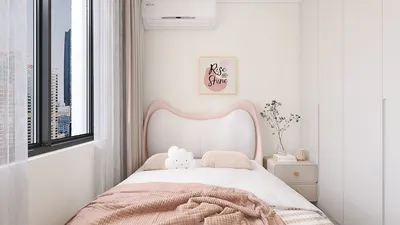


A carefully positioned door mirror does more than simply reflect your attire; it can create an illusion of space in small areas, channel light further into the room, and elevate your daily habits. I’ve found door mirrors to be exceptionally useful in entryways, bedrooms, and small studios to enhance perceived depth and manage morning disarray. Besides their aesthetic appeal, the primary aim is to provide ergonomic ease and visual clarity—thus, ensuring the details are right from the very beginning is crucial.
Before selecting a mirror, think about how it can improve light quality and promote healthy daily habits. The WELL v2 framework emphasizes glare reduction and visual comfort as fundamental aspects of occupant well-being, advocating for diffuse, balanced lighting to minimize eye strain. Research by Steelcase also indicates that well-appointed environments boost concentration and lessen cognitive load, which mirrors can indirectly assist with by organizing your mornings and making personal grooming simpler. For accurate expectations, a full-length mirror should encompass at least 90% of your body height when hung, with its center typically positioned between 57 and 63 inches from the floor—congruent with standard art-hanging guidelines for natural sightlines.
The psychology of color and mood plays a significant role. Insights from Verywell Mind suggest that cooler tones can evoke a sense of calm and cleanliness, while warmer shades foster a welcoming atmosphere—use the color of the mirror frame or the adjacent wall to enhance the desired vibe. From a spatial perception angle, a door mirror can make a narrow corridor feel more expansive by reflecting brighter areas, but it’s best to avoid placing it opposite disorganized sections. If you’re rethinking the layout or traffic flow, utilizing a room layout tool can facilitate testing various placements around doors, wardrobes, and nearby lighting seamlessly: room layout tool.
Plan the Placement
Determine whether the mirror should be affixed to the interior of a closet door (private, task-centric) or the principal bedroom door (public, space-enhancing). In smaller areas, mount the mirror to reflect a window or a brightly lit vertical surface instead of a ceiling light fixture—this helps prevent harsh glare and produces a calming, well-lit ambiance. In shared living spaces, maintain clearances: a standard swing path should be at least 32 inches, avoiding any protrusions that could interfere with doorknobs or surrounding furniture.
Select the Right Mirror
Opt for tempered or safety-backed glass for durability. Frameless options create a sleek and modern appearance, while slim metal frames add substance without overwhelming the visual space. For doors, consider the weight: typical hollow-core interior doors can support 10 to 15 lbs with the appropriate anchors; heavier solid-core doors offer more flexibility. If a lighter alternative is needed, acrylic mirrors are an option, but they may slightly distort reflections—best suited for children’s spaces or high-traffic rentals.
Hardware and Safety
Choose low-profile hanging systems to prevent material snagging and keep fingers safe as the door swings. Over-the-door hooks are quick to install but can cause noise; I prefer screw-mounted cleats or mirror clips that are rated for the mirror’s weight. To dampen vibrations, add soft bumpers behind the corners. If you're in a seismic area or have lively pets, consider adding a secondary anti-tip tether into a stud on the hinge side. Ensure that the bottom edge is set at least 6 to 8 inches above the floor hardware to avoid collisions with shoe racks or thresholds.
Lighting for Clarity
Effective grooming mirrors benefit from layered lighting rather than a single overhead bulb. Aim for vertical illumination of 300 to 500 lux on the face with a color temperature of around 3000 to 3500K for warm-neutral precision. Avoid positioning the mirror directly across from bright LEDs that exceed glare limits set by WELL v2; instead, use diffuse sconces or LED strips along adjacent walls to ensure comfortable reflections. If the door mirror is positioned near a window, consider adding a simple shade to moderate high-contrast midday glare.
Ergonomics and Daily Flow
The mounting height should accommodate common eye levels: a midpoint of around 60 inches suits most adults, but in households with multiple users, ensure that the tallest individual has a clear full-length reflection while the lower third remains accessible for children. Take into account reach zones—door handles, robe hooks, and baskets should not interfere with the edges of the mirror. In compact bedrooms, a door mirror can serve multiple purposes: grooming, last-minute checks, and amplifying light, thereby freeing up wall space for storage or decorative art.
Style and Materials
Ensure that the frame complements the door hardware for cohesive aesthetics. Brushed nickel fits well with cooler color schemes; brass adds warmth to neutral palettes; and matte black grounds minimalistic interior designs. For those prioritizing sustainability, look for FSC-certified wood frames and low-VOC adhesives. A slim bevel can lend subtle depth without appearing ornate. In colorful spaces, keep the frame understated to avoid visual distraction; conversely, a textured metal frame can become a focal point in monochrome settings.
Acoustic and Door Movement Considerations
Mirrors contribute hard surfaces that can amplify high-frequency reflections. If a room has a pronounced echo, balance it with soft textiles—like rugs, curtains, or an upholstered bench opposite the door. Assess the quality of the hinges and install a slow-close hinge if slamming is an issue; this protects the glass and enhances comfort in daily use.
Installation Steps
Check the door thickness, swinging clearance, and desired midpoint height. Use painter's tape to outline the footprint of the mirror and test the door's swing.
If feasible, align the fasteners with the door's stiles. For hollow-core doors, use toggle anchors that exceed the mirror's weight; for solid-core doors, wood screws with pilot holes will suffice.
Install a French cleat or low-profile clips. Prior to attaching the mirror, ensure that everything fits correctly and is level, allowing for clearance from the door handle's backplate.
With assistance, lift the mirror into place, securing it onto the cleat, and add corner bumpers. Check for proper swing and possible vibrations.
Stand at typical approach angles (entry path, edge of the bed) to fine-tune height for keeping horizon lines straight and reflections serene.
Placement Ideas by Room Type
Entryway: Install on the interior side of the coat closet to minimize visual clutter in the hallway. Bedroom: Utilize the main door if wall space is occupied by storage; direct the reflection towards natural light but not straight into the bed for more tranquil evenings. Studio: If the front door is the only option, pick a narrow mirror and secure it with an extra tether to prevent it from rattling due to frequent use.
Maintenance and Care
Clean using a lint-free cloth and an ammonia-free cleaner to prevent streaks. Regularly check the hardware, especially in humid environments where screws may loosen. If edges become chipped, consider replacing the mirror—safety-backed glass reduces risk, but maintaining integrity is vital.
Cost and Value
A straightforward, well-mounted door mirror may cost less than purchasing a new dresser, yet it can free up wall space, enhance lighting, and streamline your morning routine. When combined with smart lighting and ergonomic positioning, it provides daily functionality with an unexpectedly elegant touch.
FAQ
The midpoint of the mirror should typically be around 57 to 63 inches from the ground, ensuring visibility for the tallest user. This adheres to common sightline benchmarks and maintains natural reflections.
Absolutely, when it reflects brighter, uncluttered areas. Avoid aiming it at chaotic shelves; rather, it should catch a window or a softly lit wall to enhance perceived space.
Acrylic mirrors are lighter and shatter-resistant, offering safety, but may distort images somewhat. In contrast, safety-backed tempered glass provides clearer reflections with enhanced impact resistance.
Diffuse vertical lighting at about 300 to 500 lux and a color temperature between 3000 and 3500K yields accurate, comfortable lighting without harsh glare.
They can, but might produce rattling or leave marks on the door. For a stable and quiet installation, opt for screw-mounted cleats or clips that can support the mirror’s weight.
Incorporate soft bumpers behind the corners and verify that swing clearance is adequate. Slow-close hinges and an anti-tip tether will further lessen the risk of impact.
It varies based on the room style. Frameless mirrors work well in minimalistic spaces; while slim metal or wooden frames provide definition and can connect with hardware finishes for visual harmony.
It can slightly increase high-frequency reflections. Counterbalance hard surfaces with soft materials—such as rugs, curtains, or upholstered furniture—especially in rooms with a lot of hard surfaces.
Use toggle anchors and ensure the overall load remains within 10 to 15 lbs. Align fasteners with the stiles of the door and consider a secondary tether for added safety.
To clean, use a lint-free cloth along with an ammonia-free cleaner. Wipe in vertical strokes and finish with a dry polish at the edges to eliminate residue effectively.
Homestyler is your go-to online platform for home design! With its user-friendly design tool, stunning 3D renderings, and a wealth of DIY video tutorials, you can effortlessly create and visualize your dream space. Perfect for both beginners and seasoned designers alike!
Design jetzt kostenlos
































