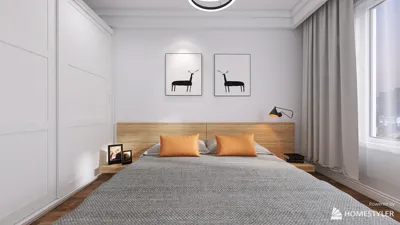


For over ten years, I've been applying dark paint in smaller spaces, and the impact can be remarkable when combined with lighter elements, textures, and thoughtful proportions. Deep colors can create a feeling of enclosure while simultaneously making a compact room appear more organized, intentional, and inviting. The secret lies in managing brightness contrast, color temperatures, and reflective surfaces, ensuring that the area feels warm rather than confined. Homestyler tools can help visualize these adjustments effectively.
Advantages of Dark Colors Supported by Research
Color plays a vital role in how we perceive our surroundings and affect our behavior. According to color psychology research featured by Verywell Mind, darker, richer tones bring about feelings of coziness and elegance, perfect for creating serene environments conducive to relaxation and focus. Studies from Steelcase highlight that spaces designed with appropriate contrast and minimized visual clutter can boost cognitive function and comfort; painting small rooms in darker shades effectively reduces peripheral distractions and simplifies the visual field, helping occupants mentally unwind. The Illuminating Engineering Society (IES) recommends specific lighting levels (around 150–300 lux for general residential activities, higher for specific tasks) while advising on glare reduction; dark walls absorb light, thus achieving 250–300 lux ambient lighting along with layered task options promotes visual clarity without harsh highlights.
Impact of Dark Walls on Visual Perception
Utilizing dark paint reduces light reflection, leading to a sharper focus on key features in the room, such as artwork, textured headboards, or cozy reading corners. The temperature of your lighting plays a significant role: for warmer, inviting vibes, use 2700–3000K lighting paired with deep blues, greens, and charcoals, while a neutral temperature of 3500–4000K can refresh the appearance of graphite or ink black. To maintain a visually comfortable depth without harsh contrasts, strive for a luminance ratio of 1:3 between walls and focal points, aligning with WELL v2 recommendations that aim for balanced lighting to reduce eye strain while promoting circadian wellness.
Selecting the Perfect Dark Tone
Not all dark paints behave alike. A blue-black hue offers a cooling effect, charcoal lends grounding stability, deep olive provides an organic warmth, and aubergine brings a rich, moody flourish. In particularly small areas, it’s wise to steer clear of pure black unless your lighting plan is robust. Opt for low- to mid-chroma shades with subtle undertones to maintain color fidelity under varied lighting. Testing colors in corners at different times of day can help reveal any metamerism—the phenomenon of color change under different lighting conditions—critical for precise design.
Lighting Solutions: Layering, Dimming, and Direction
The success of dark rooms hinges on effective lighting strategies. Implement a three-tiered approach: ambient (overhead or cove lighting), task (specific work areas like desks or bedside), and accent (for artwork or architectural features). Following IES guidelines, aim for approximately 300–500 lux for tasks such as reading, while minimizing glare through diffused light sources and avoiding fixtures at eye level. Dimmable LED lights can adjust the ambiance from day to night, and wall washers can elevate vertical surfaces, preventing the room from feeling too confined and ensuring shadows appear soft rather than harsh on matte dark walls.
Glare Reduction and Shadow Management
Glare is often more pronounced when a bright light source contrasts starkly with a dark background. Employ translucent lamp shades, direct light to ceilings, and place fixtures outside direct sightlines. Opt for matte or eggshell finishes to prevent glaring reflections and smudges; reserve high-gloss finishes for impeccably smooth walls under controlled lighting conditions. Soft shadows contribute to room depth, while sharp shadows can feel jarring in smaller spaces.
Materials and Textural Balance
To offset dark paint, introduce light and textured materials. Elements like linen drapes, pale oak furnishings, boucle upholstery, or honed travertine add warmth and tactile appeal. Adhere to a 60/30/10 ratio in materials: 60% dark surfaces (walls), 30% mid-tone furniture, and 10% luminous accents (like metal, glass, or lighter woods). It's also crucial to consider sustainability; using low-VOC finishes and recycled materials aligns beautifully with dark color palettes, ensuring better indoor air quality in small spaces.
Strategies for Small Room Layouts
In spaces painted dark, layout detail is essential. Ensure primary pathways are clear with a minimum of 750–900 mm of space, and position furniture slightly away from walls to avoid the visual heaviness that can occur when dark items blend into dark surfaces. In micro bedrooms, center the bed with slim sconces on the sides to keep nightstand surfaces unobstructed. Including a wall of tall storage in a mid-tone finish can disrupt the sense of depth, and utilizing a room layout tool like Homestyler can be beneficial for simulating traffic flow and sightlines.
Art, Accents, and Metallic Finishes
Be intentional with accents. A singular large piece of art with a bright mount can create a focal point without overwhelming the space. Brushed brass, satin nickel, or patinated bronze hardware can introduce radiance without harsh reflections. Limit the number of reflective surfaces so that the eye has areas to rest, promoting a serene environment.
Ceilings, Doors, and Baseboards
Painting ceilings dark can envelop a space but may diminish the sense of height—best used in rooms with sufficient clearance or accompanied by vertical lighting. Alternatively, a lighter ceiling can create a sense of airiness, while the dark walls provide a wrapping effect. Doors and trim in a slightly lighter related shade can elegantly frame openings and prevent the appearance of ‘holes’ in the design.
Enhancing Acoustic and Thermal Comfort
Dark matte finishes can enhance acoustic comfort by absorbing certain high-frequency echoes, creating a calmer atmosphere in small rooms. Pair darker walls with soft rugs, upholstered acoustic panels, and heavy drapes to reduce reverberation. Additionally, consider thermal comfort; darker tones give an impression of warmth, which can be advantageous in cooler climates, balanced with breathable materials for warmer months.
Maintaining Longevity and Ease of Upkeep
Selecting scrubbable matte or eggshell finishes is practical, as compact spaces often face scuff and wear. Dark walls can show dust more on high-gloss finishes, while matte surfaces conceal imperfections effectively. It is wise to keep touch-up paint available and choose high-quality primer to prevent flashing after repairs.
When to Avoid Dark Paint
If a room lacks natural light and available artificial lighting cannot achieve the recommended illuminance levels, an entirely dark color scheme may feel stifling. A two-tone strategy might be more effective, featuring darker lower walls or an accent wall combined with lighter upper sections to maintain a sense of openness and balance.
Recommended Readings
Offering a deeper understanding of visual comfort and behavior in confined areas, I reference IES standards for optimal illuminance and glare management alongside Steelcase's findings on cognitive performance in visually streamlined areas.
Frequently Asked Questions
Yes, provided that lighting and contrast are managed effectively. By ensuring ambient lighting of 250–300 lux along with targeted accent lighting, dark walls can lead to an intimate atmosphere without feeling cramped, especially when offset by lighter furniture.
To create a cozy, residential ambiance, opt for 2700–3000K; for a fresh and modern aesthetic, choose 3500–4000K. It’s important to align lamp color temperatures to prevent color discrepancies.
Matte or eggshell finishes minimize glare and conceal surface imperfections. Satin finishes are suitable for durability on trim and doors.
Light should be layered (ambient, task, accent), aim light to wash vertical surfaces, and maintain a 1:3 luminance contrast between dark walls and focal features.
In very compact spaces, employing a single dark wall with a lighter ceiling can create a mood without compromising the perception of volume.
Incorporating light woods, textured fabrics, matte metals, and low-VOC finishes creates a balance and inviting warmth.
Maintain clear paths of 750–900 mm, abstain from oversized furniture, and arrange pieces slightly off walls to keep visual separation.
To minimize glare and shadows on frames or glass surfaces, use 300–500 lux accent lighting with a 30–45° directional angle.
Indeed, using wall washing coupled with vertical lighting can enhance perception of height. If ceiling heights are limited, keeping the ceiling light can help maintain the sense of space.
Opt for scrubbable matte finishes, ensure proper priming, and retain extra paint for touch-ups in well-used areas.
Matte surfaces do absorb some high-frequency sound reflections; combining paint with soft carpets and furnishings can significantly improve acoustics.
Consider selecting low-VOC paints and recycled materials; the impact on air quality can be more pronounced in smaller spaces.
Homestyler is your go-to online home design platform that makes creating beautiful spaces easy and fun. With its user-friendly design tool, stunning 3D renderings, a plethora of inspiring design projects, and helpful DIY video tutorials, transforming your home has never been more enjoyable!
Design jetzt kostenlos
































