

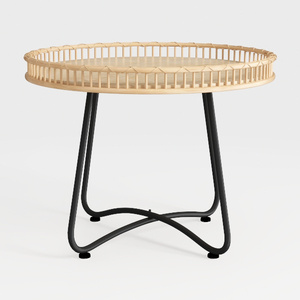
Transforming a small corner with a stylish indoor bistro set can enhance your daily experiences—be it enjoying morning espresso, attending to late-night emails, or having a quick meal without overtaking the living room space. My focus is on selecting items that offer a sense of visual lightness, ergonomic support, and solid durability in limited spaces. A well-chosen set should feel airy, provide the right height for comfortable seating, and allow for easy movement when rearranging the room for guests, which is where Homestyler can help visualize your ideas.
In small areas, size is crucial. I typically opt for a round table measuring 24 to 30 inches alongside two armless chairs, ensuring unobstructed pathways while providing ample surface for a laptop and a meal. Maintaining a proper seating posture is vital; research from Herman Miller has consistently linked neutral spinal alignment to lower fatigue levels and enhanced concentration in versatile setups, which becomes apparent even during brief dining or working intervals. Furthermore, Gensler’s workplace data highlights that access to comfortable micro-settings—small dedicated areas—can boost satisfaction and facilitate task navigation; compact dining nooks exemplify these valuable spaces in both homes and studios. When your nook merges with a workspace, be mindful of glare and contrast; the WELL v2 standards advocate for glare reduction and balanced lighting to minimize visual strain, especially in multifunctional living quarters.
Essential Elements for Bistro Sets in Limited Spaces
I emphasize four key factors: footprint, ergonomic design, material quality, and visual coherence. The footprint should allow for 30 to 36 inches of clearance on at least one side for smooth movement. Ergonomics start with ideal seat height (17–19 inches), depth (16–18 inches), and back support aimed at the mid-scapular region. I apply the 90–90–90 rule as a swift assessment: knees, hips, and ankles should ideally form right angles when seated. For lighting conditions, I align task areas with IES recommendations—roughly 300 to 500 lux at the dining surface for eating or light computer work—and maintain a color temperature of approximately 2700 to 3000K to achieve a welcoming ambiance. Notably, color psychology affirms this temperature range; warmer lighting enhances comfort and fosters social connections, while cooler tones may create sterile feelings in more personal environments.
Optimal Sizes and Shapes for Bistro Tables
A round pedestal table measuring 28 to 30 inches minimizes visual clutter and leg entanglements compared to traditional four-legged models. The rounded top also softens traffic flow, particularly advantageous in narrower spaces. If designing a dining area within a living room context, a smaller 24 to 26-inch diameter table can effectively serve the purpose when paired with streamlined chairs. For square rooms or bay areas, a 28-inch square table with two chairs remains suitable, provided the corners are rounded or chamfered.
Chairs That Harmonize with the Space
Opt for armless, open-back chairs that present a lighter visual footprint and easily tuck under the table. Aim for a seat height of 17 to 19 inches with a slight back recline (5 to 10 degrees). The upholstery should be lightweight yet durable; a tightly woven fabric or faux leather can withstand stains. If your seating sessions last between 45 and 90 minutes, consider adding a thin, supportive cushion (1 to 1.5 inches). Research from Herman Miller indicates that consistent lumbar support mitigates fatigue during brief tasks, a valuable insight for alternating between dining and laptop use.
Material Selections: Light, Durable, and Inviting
I usually favor powder-coated steel frames combined with compact tabletop options like high-pressure laminate, solid wood, or engineered wood featuring robust edge banding. While marble or stone can add sophistication, it might create a cumbersome atmosphere in small rooms unless balanced with lightweight chairs and an airy frame. If your environment is acoustically bright due to hard surfaces, consider using fabric seating or felt pads beneath chairs to minimize noise. For sustainable options, look for FSC-certified wood and low-VOC finishes; WELL v2 emphasizes the health of materials, which contributes positively to indoor air quality and comfort over time.
The Impact of Color Psychology and Visual Harmony
In confined spaces, color functions as a strategic element. Light, subdued shades contribute to a sense of spaciousness; a soft greige or pale sage base for the table can reduce visual tension. Using chairs in warm neutrals—such as sand or oatmeal—encourages extended gatherings and nurtures social interactions, according to Verywell Mind's insights on color psychology. To define your dining area without impeding movement, anchor the setting with a small rug (4x6 or a round 5-foot option). Keep patterns simple—such as fine stripes or small geometric shapes—to avoid overwhelming the visual space.
Effective Lighting and Glare Management
Position the bistro set to receive ample diffuse daylight; using sheer curtains can help maintain privacy while softening light contrast. In the evening, install a pendant light approximately 28 to 32 inches above the table for gentle illumination. Aim for a brightness level of 300 to 400 lux on the surface, steering clear of bare bulbs that might be directly visible. If a monitor shares the same area, angle the light away to prevent glare. I adhere to IES guidelines and confirm glare standards via WELL v2 for mixed-use residential environments.
Strategic Layouts for Compact Corners
When coordinating a multifunctional room, test different configurations before finalizing your choice. I usually sketch three potential layouts: wall-hugging, window-ledge, and free-floating micro-island. Utilizing a room layout tool can assist in simulating these arrangements, allowing you to assess chair clearance and movement paths, particularly in small studio spaces where every inch is crucial—try using a layout tool like Homestyler to visualize your plans.
Top Bistro Configurations I Suggest
• Round pedestal table (28–30 inches) coupled with two armless upholstered chairs featuring sleek steel frames. This combination is balanced, comfortable, and easy to maintain.
• Square cafe table (28 inches) with two ladder-back wooden chairs; ideal for wall placement and consider adding felt pads for a quieter experience.
• Drop-leaf table (up to 32 inches when extended) paired with two stacking chairs. This layout is adaptable for visitors while folding down to facilitate movement throughout the week.
• Wall-mounted flip table alongside one stool and one chair. This is a highly space-efficient choice, especially in ultra-tiny studios where flexibility is key.
Ergonomics: Small Details Carry Significant Weight
Maintaining a seat-to-table height difference of around 10 to 12 inches ensures shoulders remain relaxed and forearms are nearly parallel. The shape of table edges is also important—rounded or chamfered edges lessen pressure on arms. For longer sessions, opt for chairs with breathable backs; micro-perforated or cane-backed styles help regulate temperature and give a lighter feel during use.
Managing Acoustics and Comfort Levels
Small rooms tend to amplify sounds. Incorporating a soft rug beneath the set, using felt pads, and opting for upholstered seats can greatly reduce noise levels. If you live in a bustling household, consider adding fabric-backed wall panels or framed cork artwork near the dining nook to absorb sound waves. Moreover, tactile comfort is essential; softly textured tabletops can mask smudges and provide a slip-resistant surface for glassware.
Cohesive Styling: A Unified Appearance
Select one metal finish for the entire set—be it black, aged brass, or chrome—and coexist it with a matching lamp or shelf brackets nearby. Introduce a compact centerpiece that maintains a low profile, such as a small ceramic vase or a single flower arrangement. Excessive decoration can make a room feel cramped; a singular, refined touch communicates a stronger sense of space compared to numerous smaller decorative items.
Ensuring Maintenance and Longevity
Regular wipe-downs using a damp microfiber cloth will help protect finishes. For fabrics, gently clean with mild soap and water, steering clear of potent solvents. Remember to tighten hardware every few months. If you own stacking chairs, alternate their use to evenly distribute wear. Sturdy edges and quality glides extend the life of design items while maintaining a quiet and stable setup.
Budgeting Wisely for Value
In my projects, I typically reserve 60 to 70 percent of the budget for the dining table and primary chairs, allocating the rest towards lighting and a rug. A robust pedestal base tends to have a longer lifespan compared to trend-driven designs and ensures ample knee room. True value reveals itself in daily use: comfortable seating, a stable table, and illuminating that enhance the enjoyment of meals and interactions.
Frequently Asked Questions
A round table measuring 24 to 28 inches accompanied by two armless chairs suits most studio nooks while maintaining 30 to 36 inches of clearance for easy movement.
Absolutely suitable for compact areas. Pedestal designs reduce leg conflicts and present a visually lighter appeal, which can help the room feel larger.
Generally ranges from 28 to 32 inches above the tabletop, providing approximately 300 to 400 lux to limit glare and maintain clear sightlines, in accordance with IES standards.
The ideal seat height is between 17 to 19 inches, with a depth of 16 to 18 inches, and a slight back recline of 5 to 10 degrees. Keep the difference between seat and tabletop height around 10 to 12 inches.
Commonly, I select powder-coated steel bases paired with laminate or solid wood tops. Utilizing upholstered chairs made of tight-weave fabric or faux leather strikes a balance between warmth and durability.
To define the eating area, opt for round shapes, light hues, and a compact rug. Maintain adequate clearances and choose armless chairs that easily slide under the table.
Indeed, lighter, desaturated tones and warm artificial light create a sense of spaciousness and comfort; warmer tones promote cozy social interactions.
Experiment with and visualize three layout variations—wall-hugging, window-ledged, and floating configurations—using an interior layout planner, such as Homestyler, to assess clearances effectively.
Introduce a soft area rug, felt pads beneath chair legs, and explore fabric-backed art or cork panels to mitigate mid-frequency sounds.
For small-space hosts, definitely. It expands for guests and collapses to ease circulation for daily usage.
Maintaining a temperature of 2700 to 3000K creates an inviting atmosphere for dining while ensuring suitable brightness levels. Incorporating dimmable options can adjust the space for various activities.
Regularly clean surfaces, spot treat fabrics with gentle soap, tighten hardware every few months, and rotate stacking chairs to promote even wear.


Homestyler is your go-to online platform for effortless home design. With its user-friendly design tool, stunning 3D renderings, and a wealth of DIY video tutorials, you can easily bring your interior design dreams to life and explore endless creative possibilities!
Progetta ora GRATIS
































